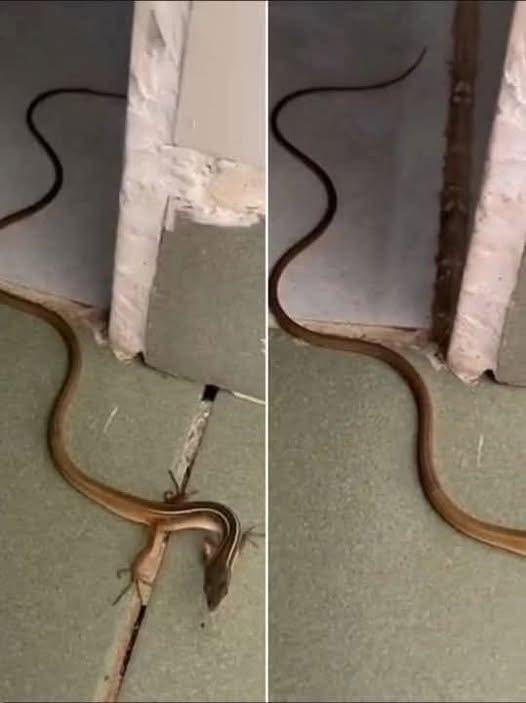
Why Snakes Enter Homes
Snakes are part of the natural ecosystem and are constantly moving through their environment in search of suitable conditions for survival. Homes, unfortunately, can sometimes unintentionally provide exactly what they are looking for.
One of the most common reasons snakes enter residential spaces is the presence of small openings or structural gaps. Even a tiny crack in a foundation or a small space beneath a door can be enough for certain snake species to squeeze through. Older buildings or poorly maintained structures are especially vulnerable because wear and tear naturally creates entry points over time.
Warmth is another major factor. During colder months or sudden temperature drops, snakes may seek out warmer areas to regulate their body temperature. Heated indoor spaces, basements, and areas near appliances can sometimes attract them without homeowners realizing it.
Food sources also play a significant role. Snakes often follow rodents, insects, or other small animals into homes. If a property has a rodent issue, it may indirectly attract snakes that are hunting for prey. In this way, the presence of snakes can sometimes indicate a larger ecological imbalance rather than an isolated incident.
Outdoor surroundings matter as well. Homes located near fields, forests, water sources, or areas with dense vegetation are naturally more likely to encounter snakes. Overgrown grass, piles of wood, or cluttered storage spaces near the house can create ideal hiding and hunting environments that increase the chances of snake movement toward human living areas.
First Reactions When Finding a Snake Indoors
The moment a snake is discovered inside a home, the emotional response is often panic or shock. However, the most important action at this stage is to remain as calm as possible. Sudden movements, loud noises, or attempts to approach the animal can escalate the situation unnecessarily.
Snakes are generally not aggressive toward humans unless they feel threatened or cornered. In most cases, their instinct is to avoid confrontation and escape to a safe hiding place. This means that giving them space is one of the most effective ways to reduce risk.
If there are children or pets in the home, they should be carefully and calmly moved away from the area where the snake has been seen. Keeping distance helps prevent accidental interactions and reduces stress for both humans and the animal.
It is also helpful to mentally note the general location of the snake without trying to track it closely or provoke it. Knowing the room or area it is in can assist professionals later if intervention is required.
What You Should Avoid Doing
One of the most important aspects of handling a snake encounter is understanding what not to do. Many injuries and dangerous situations occur not because of the snake itself, but because of unsafe human reactions.
Attempting to touch, catch, or kill the snake is strongly discouraged. Even species that are not venomous may bite when they feel threatened. Additionally, identifying whether a snake is venomous or harmless is often difficult without proper training. Misidentification can lead to serious risks.
Using household tools or improvised methods to trap a snake is also unsafe. These actions can provoke the animal and increase its movement within the home, making it harder to locate later.
Another common mistake is trying to chase the snake out of the house. Sudden movements and pressure can cause it to hide in deeper, harder-to-reach areas such as behind furniture, inside walls, or under flooring.
The safest approach is to avoid direct interaction and focus on containment and professional assistance.
How to Contain the Situation Safely
If a snake is spotted inside a room, one of the safest immediate steps is to gently contain its movement without disturbing it. This does not mean trapping it physically, but rather limiting its access to other areas of the home.
Closing interior doors can help keep the snake within a single room. This reduces the chances of it spreading into multiple areas and makes it easier for professionals to locate and remove it later.
Maintaining a safe distance while observing from afar is recommended. It is important not to block the snake’s only visible escape route, as this may cause it to become defensive.
At the same time, ensuring that the room remains quiet and free of unnecessary movement helps reduce stress on the animal. In many cases, snakes will naturally attempt to leave once they feel the environment is no longer threatening.
Why Professional Help Is the Safest Option
When dealing with a snake inside a home, contacting trained wildlife professionals or animal control services is the most reliable and safest solution. These experts have the proper equipment, knowledge, and experience to handle different snake species without causing harm to people or animals.
Professional removal services are trained to identify snake behavior, determine species when possible, and use safe techniques to capture and relocate the animal. This reduces the risk of injury and ensures that the snake is handled in a humane way.
Attempting to manage the situation without training can lead to unnecessary danger, especially if the snake is venomous or if its species is unknown.
Once the professionals arrive, they can also assess how the snake entered the home and provide guidance on preventing future incidents.
Inspecting and Securing the Home After Removal
After the snake has been safely removed, it is important to take preventive measures to reduce the likelihood of recurrence. This step is often overlooked but plays a key role in long-term safety.
A thorough inspection of the home should be conducted to identify possible entry points. Common areas include cracks in walls or foundations, gaps around windows and doors, damaged vents, and openings near plumbing or utility lines.
Sealing these gaps with appropriate materials can significantly reduce the chances of another snake entering. Installing door sweeps, repairing broken screens, and reinforcing weak points in the structure are simple but effective improvements.
It is also beneficial to check storage areas such as basements, garages, and sheds, where snakes may attempt to hide or enter unnoticed.
Reducing Attractants Around the Property
Beyond securing the structure itself, the environment around the home should also be considered. Snakes are often drawn to areas where food and shelter are easily available.
One of the most effective preventive measures is controlling rodent populations. Since snakes frequently follow their prey, reducing mice and rats around the property naturally lowers the likelihood of snake presence.
Keeping grass trimmed and removing piles of leaves, wood, or debris helps eliminate hiding spots. Organized outdoor spaces are less attractive to wildlife seeking shelter.
Outdoor lighting and regular maintenance can also discourage small animals from settling near the home, which indirectly reduces snake activity.
Understanding the Role of Snakes in Nature
Although encountering a snake indoors can be unsettling, it is important to recognize that snakes play a valuable role in maintaining ecological balance. They help control populations of rodents and insects, which can otherwise grow rapidly and cause damage or spread disease.
In most cases, a snake entering a home is not intentional aggression but rather a случай occurrence driven by environmental factors. The animal is simply following natural instincts.
By understanding this role, it becomes easier to approach the situation with calmness rather than fear.
Common Misconceptions About Indoor Snake Encounters
There are several misunderstandings surrounding snakes in homes. One common belief is that a snake entering a house carries symbolic meaning or predicts certain events. In reality, there is no scientific evidence supporting such interpretations. Snake behavior is based entirely on environmental and biological needs.
Another misconception is that all snakes are dangerous. In truth, many species are harmless and avoid human contact whenever possible. However, because identification is difficult for the average person, treating all unknown snakes with caution is always the safest approach.
It is also incorrect to assume that a snake inside a home is there intentionally. Most entries are accidental, often occurring through small gaps that homeowners may not notice.
Long-Term Prevention Strategies
Preventing future snake encounters requires a combination of structural maintenance, environmental management, and awareness.
Regular home inspections should become part of routine upkeep, especially in warmer seasons when snakes are more active. Early detection of cracks or openings can prevent entry before it happens.
Maintaining cleanliness around the property, reducing clutter, and managing vegetation all contribute to making the area less appealing to wildlife.
In some cases, homeowners may choose to consult pest control or wildlife prevention experts for additional protective measures tailored to their specific environment.
Final Thoughts
A snake entering a home can feel alarming at first, but it is usually a natural occurrence rather than a sign of danger or abnormal activity. Most snakes are simply following instinctive needs such as searching for food, warmth, or shelter.
The most effective response is to remain calm, avoid direct interaction, ensure personal safety, and contact trained professionals for removal. Once the situation is resolved, taking time to secure the home and improve environmental conditions greatly reduces the chances of recurrence.
By approaching the situation with understanding and practical action, what initially feels like a crisis can be handled safely and efficiently.