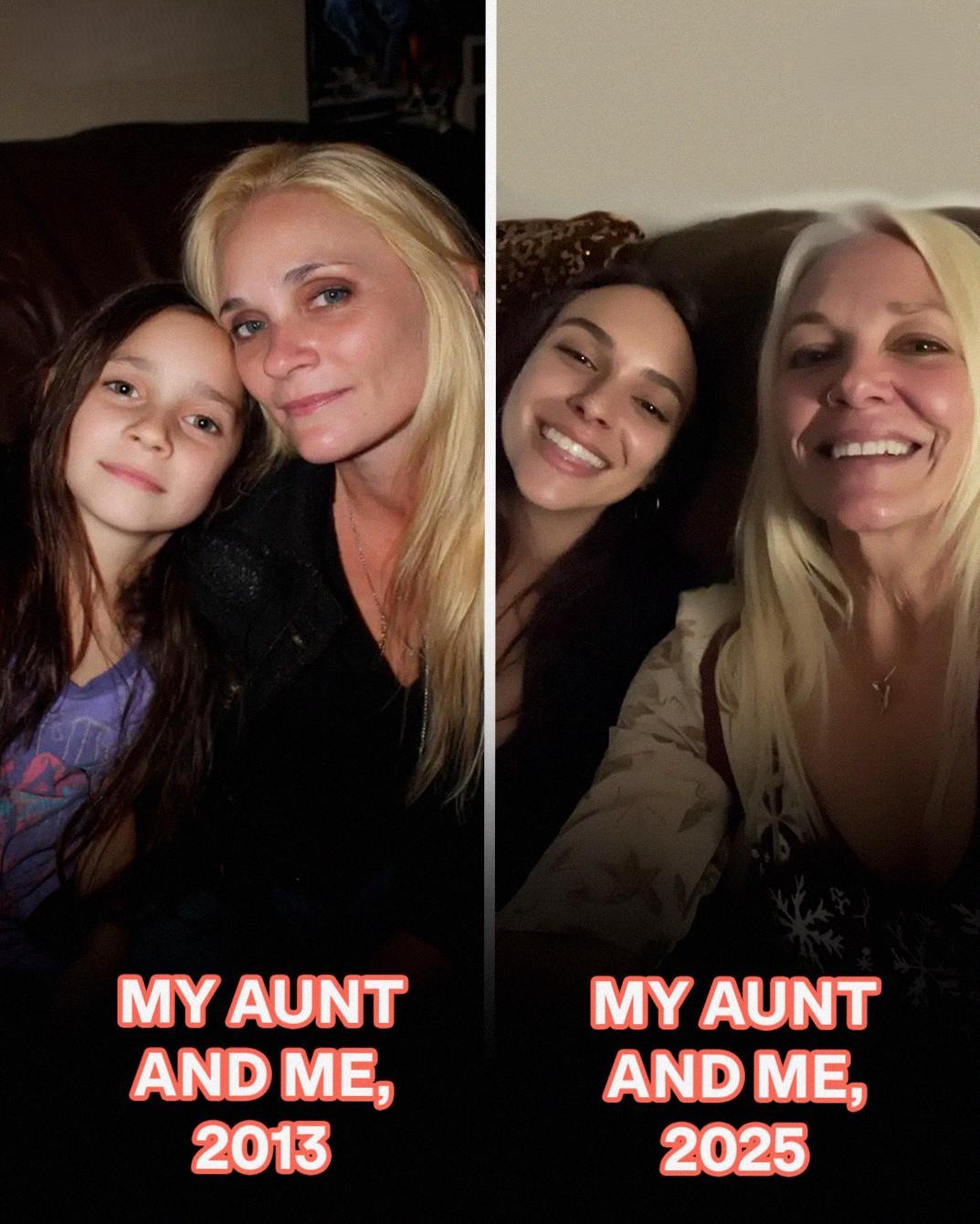
My parents didn’t die. They just… slipped out of my life.
Not in one dramatic scene with suitcases and shouted goodbyes, like in movies. They faded away in arguments whispered behind doors, in sighs about whose “turn” it was to take me, in the way they talked around me instead of to me. I was ten when it sank in for real: it wasn’t that they couldn’t keep me. It was that they didn’t want to.
Not because I’d done something terrible. Not because they were drowning in bills or illness. Just because they had other lives to build. New families to star in.
My dad, Charlie, married Kristen — his “friend” who always smelled like expensive perfume and looked at me like I was a stray dog tracking mud on her polished floors. She had a son, Travis, just a year younger than me, and soon a baby girl arrived with perfect honey curls and big, sleepy eyes.
“Our perfect little sunshine,” Kristen cooed.
They became the family he presented to the world. The ones smiling in matching pajamas on Christmas cards. The ones he tossed in the air at barbecues while neighbors laughed and snapped photos.
And me? I was the leftover. The kid who ruined their aesthetic.
My mom, Tanya, married Donnie. Thick forearms, oil-stained hands, a permanent frown. His voice rarely went above a low rumble, but that grumble scared me more than screaming ever could. He didn’t like noise. Or questions. Or kids who cried at movies or needed help with homework.
When my half-sister, Rosie, was born, my mother’s universe shrank to feeding schedules and sleep logs and baby tracker apps. Her hugs became one-armed pats while she scrolled on her phone. Conversations turned into reminders.
“Ivy, please be quiet. Donnie just got off a double shift,” she muttered once when I tried to show her a sketch I’d made of the backyard.
He didn’t even look up.
I remember the night the pretending ended.
I was in my room, sketchbook open, when their voices seeped through the wall — muffled at first, then sharp.
“She’s not my kid, Tanya. I told you I didn’t want kids,” Donnie said, that low growl cutting through me. “It’s different with Rosie. She’s mine.”
“Well, she’s not his either,” my mother snapped back. “Charlie doesn’t even call anymore, Don.”
“What do you want me to do?” he asked, exasperated.
A few minutes passed. Then I heard my father’s voice on speakerphone, the line crackling.
“We’ve got our own routine now, Tanya,” he said. “It’s not easy with two young kids. Kristen’s not comfortable adding another one. Ivy doesn’t even fit in here.”
Those words hit like a door slamming — not loud, just final.
That night, my mother sat me down at the kitchen table. Her hands wrapped around a mug of tea that had gone cold.
“Honey… it might be better if you stayed with Aunt Carol for a while,” she said, staring at the cup instead of at me. “Just until we figure things out.”
The next morning, Dad showed up. Nobody talked much. They moved through the house like they were clearing clutter. My life disappeared into three black trash bags — clothes, sketchbooks, a chipped mug I loved. No boxes. No labels. Just garbage bags.
Trash bags. That’s what I was worth: something you can carry out quickly and not think too hard about.
When we got to Aunt Carol’s little yellow house, she opened the door still drying her hands on a dish towel. Her forehead creased when she saw all three of us together.
“Hi, Ivy, baby,” she said softly.
Then she spotted the bags.