Lower Back Dimples (Dimples of Venus & Apollo): Meaning, Causes, Myths, and Facts Explained
The human body displays an incredible range of natural variations. From freckles scattered across the skin to uniquely shaped ears, from eye color differences to facial dimples, every person carries physical traits that make them distinct. Among these variations, one subtle yet widely discussed feature is the presence of small indentations in the lower back.
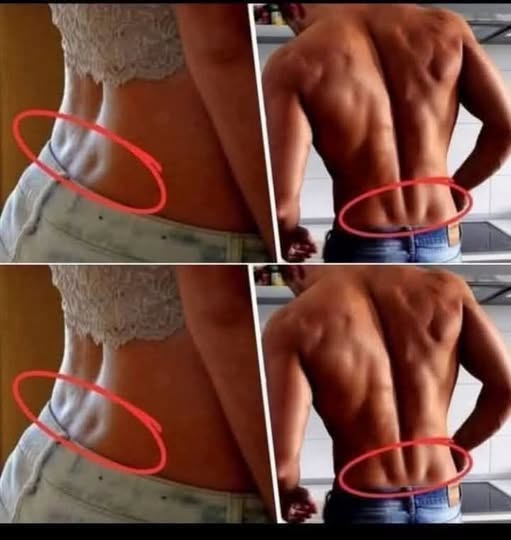
These small hollows, located just above the buttocks on either side of the spine, are commonly known as the “Dimples of Venus” in women and the “Dimples of Apollo” in men. Although they are harmless and purely anatomical, they have gained significant attention in online culture, fitness discussions, and beauty-related content.
In this article, we will explore what these dimples actually are, why some people have them while others do not, the science behind their formation, and the most common myths associated with them. We will also address whether they indicate health, fitness, or athletic ability, and whether exercise can influence their appearance.
What Exactly Are Lower Back Dimples?
Lower back dimples are small, symmetrical indentations that appear on the lower back, specifically near the region where the pelvis meets the spine. They are usually located just above the upper part of the buttocks and sit on both sides of the lower spine.
Unlike facial dimples, which are created by variations in facial muscles, these lower back indentations are not caused by muscle movement or expression. Instead, they result from the structural connection between the skin and underlying anatomical features, particularly ligaments and the pelvic bones.
In medical and anatomical contexts, they are sometimes referred to as “posterior superior iliac spine dimples,” because they correspond closely with the underlying pelvic landmarks.
For individuals who naturally have them, these dimples are a completely normal and harmless anatomical trait. They are simply one of many variations in how the human body is formed.
Why Do Some People Have Lower Back Dimples?
The presence or absence of these dimples is primarily determined by genetics and skeletal structure. Unlike features that can be changed through lifestyle habits, lower back dimples are mostly inherited traits.
Several factors influence whether they appear:
1. Genetic Inheritance
Genetics plays a major role in determining body structure. If one or both parents have visible lower back dimples, there is a higher chance that their children may also develop them. However, inheritance is not guaranteed, as multiple genes contribute to physical traits.
2. Pelvic Bone Structure
The shape and positioning of the pelvic bones are key factors. The indentations appear where the skin is tightly connected to certain parts of the pelvis. If these structural points are more pronounced, the dimples are more likely to be visible.
3. Skin Attachment and Connective Tissue
The skin is connected to deeper tissues by fibrous connective tissue. The way these fibers attach varies between individuals, influencing whether a visible indentation forms on the surface.
4. Natural Variation
Even among people with similar genetic backgrounds, physical traits can vary significantly. Some individuals may have very visible dimples, while others may have faint or completely absent ones.
In summary, lower back dimples are not something that can be intentionally developed or prevented. They are a natural outcome of human anatomical diversity.
Are Lower Back Dimples a Sign of Good Health?
One of the most common misconceptions circulating on social media is the idea that lower back dimples are a sign of superior health, strength, or fitness.
However, current medical understanding does not support this claim.
These dimples do not indicate:
- Higher athletic ability
- Better physical fitness
- Improved strength or endurance
- Superior flexibility
- Overall better health status
Similarly, the absence of these dimples does not suggest poor health or physical weakness.
They are simply a structural feature of the body, similar to other harmless anatomical variations such as:
- Earlobe shape (attached or detached)
- Finger length differences
- Presence of facial dimples
- Natural skin markings
Health professionals generally consider them a neutral trait with no diagnostic or predictive value regarding health conditions.
Can Exercise Create Lower Back Dimples?
A widespread belief in fitness communities is that targeted workouts can “create” lower back dimples. This idea is especially popular on social media platforms where aesthetic fitness trends are common.
However, from a structural and anatomical perspective, this is not accurate.
Why Exercise Cannot Create Them
Lower back dimples are formed by the attachment of skin to deep connective tissue over the pelvis. This structure is determined by genetics and bone anatomy, not muscle development.
Exercise cannot change:
- Bone structure
- Skin attachment points
- Ligament positioning
Therefore, workouts cannot directly create these dimples.
What Exercise Can Do
Although exercise cannot generate the dimples, it can influence how visible they appear in some individuals. For example:
- Reducing body fat may make existing dimples more noticeable
- Strengthening lower back and core muscles can improve posture, subtly enhancing visibility
- Improving overall body composition may highlight natural anatomical features
Common Exercises Associated With Core Strength
While not related to creating dimples, these exercises support overall fitness:
- Squats
- Deadlifts
- Glute bridges
- Lunges
- Planks and core stabilization exercises
These movements are beneficial for strength, posture, and stability but do not alter underlying skeletal features.
Why Are They Called the “Dimples of Venus”?
The name “Dimples of Venus” is rooted in historical and cultural symbolism rather than medical terminology.
Venus, the Roman goddess of love, beauty, and fertility, has long been associated with physical attractiveness and aesthetic ideals. Because these lower back indentations are sometimes considered visually appealing, they were poetically named after her.
In men, the term “Dimples of Apollo” is sometimes used, referencing Apollo, the Roman and Greek god associated with youth, athleticism, and physical perfection.
These names are symbolic and cultural, not scientific or anatomical classifications. Medical professionals simply refer to them as lower back dimples or posterior iliac dimples.
Do Lower Back Dimples Affect Movement or Physical Ability?
Lower back dimples have no impact on body movement or physical performance.
They do not interfere with:
- Walking
- Running
- Sitting
- Standing
- Exercise performance
- Flexibility or mobility
They are purely external surface features related to underlying bone structure and connective tissue. Most individuals with these dimples never experience any awareness of them during daily life.
Can Lower Back Dimples Cause Pain?
In normal circumstances, lower back dimples are not painful.
They are not associated with discomfort or medical conditions. However, if a person experiences lower back pain, it is usually due to unrelated causes such as:
- Muscle strain
- Poor posture
- Disc issues
- Ligament strain
- Nerve compression
It is important not to confuse normal anatomical features with symptoms of medical problems. Persistent or severe back pain should always be evaluated by a healthcare professional to identify the actual cause.
Why Are Lower Back Dimples More Visible in Some People?
The visibility of these dimples varies significantly between individuals. Several natural factors influence how noticeable they appear.
1. Body Composition
Body fat levels can influence visibility. Lower levels of subcutaneous fat may make the indentations more defined, while higher levels may make them less visible.
2. Bone Structure Differences
Pelvic shape and bone prominence differ from person to person, affecting how deeply the skin attaches in certain areas.
3. Skin and Tissue Variation
The thickness of skin and connective tissue also plays a role. Some individuals naturally have tighter or looser tissue connections.
4. Posture and Muscle Tone
Although not a direct cause, posture and muscle tone can slightly influence how the area appears visually.
Common Myths About Lower Back Dimples
Because these features are relatively subtle and not widely understood, many myths have developed around them, especially online. Let’s clarify some of the most common misconceptions.
Myth 1: They Indicate Excellent Physical Fitness
There is no scientific evidence linking lower back dimples to athletic ability or fitness level. They are structural, not performance-related.
Myth 2: Only Very Healthy People Have Them
Health status is not determined by this feature. People of all fitness levels may or may not have them.
Myth 3: You Can Develop Them Through Training
Exercise can improve muscle tone and posture, but it cannot create bone-based indentations.
Myth 4: They Are Rare or Unusual
While not present in everyone, they are also not extremely rare. Many people simply do not notice them.
Myth 5: They Have Medical Significance
They are not used in medical diagnosis and are considered a normal anatomical variation.
Psychological and Cultural Perception
Physical features often gain meaning beyond their biological function. Lower back dimples are sometimes perceived as aesthetically attractive due to cultural influences, media representation, and fitness trends.
Social media platforms have amplified attention toward such traits, often linking them to beauty standards or fitness goals. However, these perceptions are subjective and vary widely across cultures and individuals.
It is important to understand that no single physical feature defines attractiveness or health.
Conclusion
Lower back dimples, commonly known as the Dimples of Venus or Dimples of Apollo, are a natural anatomical variation found in some individuals. They are formed due to the structural relationship between skin, connective tissue, and pelvic bones.
Their presence is determined mainly by genetics and cannot be created through exercise or lifestyle changes. Likewise, they do not indicate superior health, fitness, or athletic performance.
While they may be considered aesthetically appealing in some cultural contexts, they hold no medical significance beyond being a normal variation of human anatomy.
Understanding these features helps separate scientific facts from myths often spread online, allowing for a clearer appreciation of the diversity of the human body.