Building Resilience in an Unpredictable World: Why Preparedness and Community Matter More Than Ever
In recent years, communities around the world have experienced a growing number of challenges that highlight how quickly everyday life can change. Severe weather events, transportation accidents, and international tensions frequently dominate the news, reminding people that uncertainty is an unavoidable part of modern life. While these events differ in scale and impact, they all underscore the importance of preparation, reliable information, and strong community support.
Rather than responding with fear, individuals and families can benefit from understanding these challenges in a balanced and practical way. By focusing on preparedness, resilience, and cooperation, communities can better navigate difficult circumstances while minimizing risks whenever possible.
The Increasing Importance of Emergency Preparedness
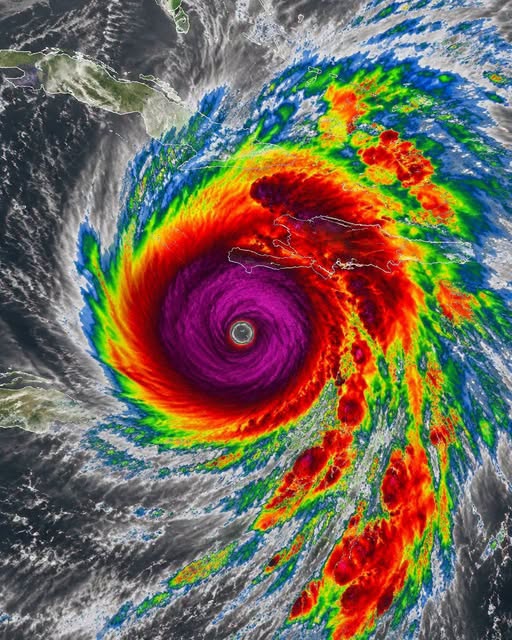
Extreme weather has become a recurring concern for many regions. Meteorologists continually monitor developing storm systems using advanced satellite technology, weather models, and forecasting tools. While forecasting has improved significantly over the past several decades, nature remains unpredictable, and some weather systems can strengthen more rapidly than expected.
When a tropical storm or hurricane develops, emergency management agencies begin coordinating with local governments to provide timely updates and safety guidance. Residents living in areas that could be affected are encouraged to stay informed through trusted weather services and official emergency alerts.
Preparedness is not about expecting the worst; it is about reducing uncertainty. Families who have emergency plans often feel more confident because they know how to respond if conditions change.
A basic emergency plan may include:
- Preparing an emergency supply kit with water, food, medications, flashlights, batteries, and first-aid supplies.
- Charging phones and backup power banks before severe weather arrives.
- Reviewing evacuation routes if local authorities issue evacuation orders.
- Keeping important documents in waterproof containers.
- Staying connected with family members through agreed communication plans.
These simple steps can make a significant difference during emergencies and help reduce unnecessary stress.
Communities Play a Vital Role During Emergencies
No emergency response depends solely on government agencies. Neighbors, volunteers, nonprofit organizations, healthcare professionals, and local businesses often become essential sources of support during difficult situations.
Community resilience develops long before a disaster occurs. Neighborhoods that encourage communication, volunteerism, and cooperation are generally better prepared to respond when unexpected events arise.
For example, residents can:
- Check on elderly or disabled neighbors.
- Share emergency resources when appropriate.
- Participate in community preparedness programs.
- Learn basic first aid and CPR.
- Support local emergency response initiatives.
These actions strengthen social connections and improve a community’s ability to recover after emergencies.
Learning from Transportation Accidents
While severe weather often captures national attention, transportation safety remains another important public concern. Accidents involving school buses or other public transportation vehicles are particularly difficult because they affect families, students, educators, and entire communities.
A recent school bus collision in Alabama served as a reminder of the importance of road safety and emergency preparedness. Emergency responders worked quickly to provide medical assistance and secure the accident scene while local officials coordinated support for affected families.
Incidents like these are deeply tragic, especially when lives are lost or individuals suffer serious injuries. Communities often come together to provide emotional support, counseling services, and assistance to those directly impacted.
Although transportation accidents cannot always be prevented, ongoing efforts continue to improve safety through:
- Enhanced driver training.
- Regular vehicle inspections.
- Improved roadway design.
- Updated traffic safety regulations.
- Public education campaigns focused on responsible driving.
Every improvement contributes to making transportation safer for students and the general public.
The Value of Reliable Information
During emergencies, information spreads quickly through television, radio, websites, and social media platforms. Unfortunately, not all information shared online is accurate.
Rumors and misinformation can create unnecessary confusion, making it more difficult for people to make informed decisions.
Experts recommend relying on trusted sources such as:
- National weather agencies.
- Local emergency management offices.
- Public health departments.
- Law enforcement agencies.
- Official government announcements.
Verifying information before sharing it with others helps reduce the spread of misinformation and supports more effective emergency responses.
Understanding International Developments
Global events also influence everyday life in ways that are not always immediately visible. Diplomatic discussions between nations, economic policies, and regional conflicts can affect international trade, energy markets, and global security.
Relations between the United States and Iran have remained an area of ongoing international attention for many years. Diplomatic negotiations often involve complex discussions about regional stability, security concerns, economic sanctions, and international agreements.
These negotiations typically require patience and careful dialogue. While periods of uncertainty may attract media attention, diplomatic engagement remains one of the primary tools governments use to reduce tensions and pursue peaceful outcomes.
International relations are rarely simple. Decisions often involve multiple countries, international organizations, and long-term strategic considerations. Understanding these complexities helps people view global events with greater perspective rather than reacting to headlines alone.
Mental Well-Being During Uncertain Times
Constant exposure to challenging news can affect emotional well-being. Studies have shown that consuming large amounts of distressing news may increase stress and anxiety for some individuals.
Maintaining a healthy balance between staying informed and protecting mental health is important.
Some practical strategies include:
- Limiting continuous exposure to breaking news.
- Taking breaks from digital devices.
- Spending time outdoors when possible.
- Connecting with family and friends.
- Participating in hobbies or community activities.
- Practicing healthy sleep habits.
These habits can help people remain informed without becoming overwhelmed.
Building Confidence Through Preparation
Preparedness is ultimately about confidence rather than fear. Knowing what steps to take during emergencies allows individuals to respond more calmly and effectively.
Schools, workplaces, healthcare facilities, and local governments regularly conduct emergency planning exercises to improve readiness. Families can benefit from similar planning at home by discussing emergency contacts, meeting locations, and household responsibilities during different types of emergencies.
Preparation is an ongoing process rather than a one-time task. Updating emergency kits, reviewing plans annually, and staying informed about local risks all contribute to greater resilience.