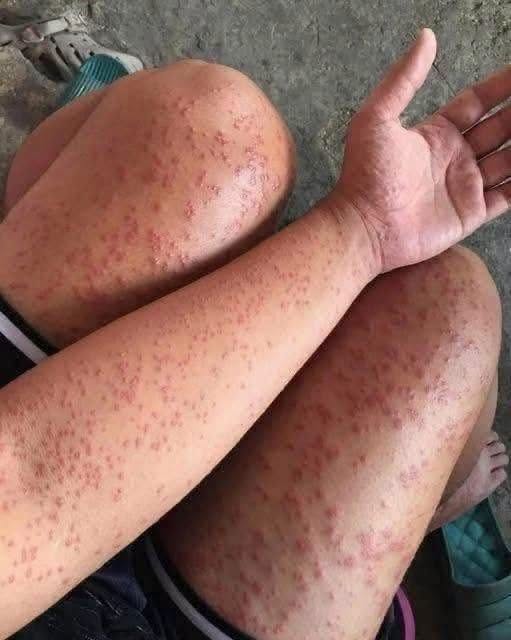
After spending a few nights at a friend’s older apartment, everything seemed completely normal. The bed looked clean, the room appeared tidy, and there was nothing to suggest that anything was wrong. But after the second night, small, itchy red bumps began appearing on the arms, legs, neck, and other exposed areas of the body. At first, it was easy to dismiss them as mosquito bites or a mild allergic reaction. However, each morning brought more bumps, making it clear that something inside the apartment might be causing the problem.
One of the most common explanations for clusters of itchy red bumps after sleeping in an unfamiliar place is bed bug bites. Bed bugs are tiny, reddish-brown insects that feed on human blood while people sleep. They are experts at hiding during the day, squeezing into mattress seams, bed frames, box springs, furniture joints, electrical outlets, behind baseboards, and even tiny cracks in walls. Because they usually come out at night, many people never actually see them, making an infestation difficult to detect until bite marks begin to appear.
Bed bug bites often develop in straight lines, zigzag patterns, or small clusters because the insects may bite multiple times while searching for a suitable feeding spot. The bites are commonly found on exposed skin such as the arms, shoulders, neck, face, hands, and legs. For some individuals, the bites cause intense itching, redness, and swelling, while others may have little or no visible reaction at all. This difference in skin sensitivity means two people sleeping in the same bed can have completely different experiences.
Despite their reputation, bed bugs are not the only possible cause of an itchy rash after staying somewhere new. Fleas, mosquitoes, mites, chiggers, and other insects can leave similar bite marks. Allergic reactions to laundry detergents, fabric softeners, soaps, perfumes, dust mites, mold, or even certain fabrics may also trigger red, itchy patches that resemble insect bites. In some cases, skin conditions such as eczema, hives, heat rash, or contact dermatitis can develop unexpectedly and create symptoms that are easily mistaken for bug bites. Because many skin conditions look remarkably alike, identifying the exact cause based solely on appearance can be difficult.
If bed bugs are suspected, a careful inspection of the sleeping area is the best place to start. Check the seams and corners of the mattress, underneath mattress tags, around the box spring, behind the headboard, inside cracks in the bed frame, and along nearby furniture. Look for tiny live insects, dark brown or black fecal spots, pale shed skins, or small pearly-white eggs no larger than a pinhead. Although bed bugs are excellent at hiding, these signs often reveal their presence even when the insects themselves remain out of sight.
Anyone who has stayed in a room with bed bugs should also inspect their luggage, clothing, backpacks, and personal belongings before bringing them into another home. Bed bugs are skilled hitchhikers and can easily travel inside suitcases or folded clothing. Washing clothes, bedding, and washable fabrics in hot water followed by drying them on the highest heat setting recommended for the fabric can kill bed bugs and their eggs. Items that cannot be washed may sometimes be treated with heat or sealed in airtight bags for an extended period, depending on the circumstances.
If an infestation is confirmed, eliminating bed bugs often requires more than simple cleaning. Because they hide in tiny spaces and reproduce quickly, professional pest control is usually the most effective solution. Experts may use a combination of heat treatments, targeted insecticides, thorough inspections, and follow-up visits to ensure the infestation has been completely removed. Attempting to solve a large infestation without professional assistance often allows surviving insects to continue breeding.
In most cases, bed bug bites improve gradually without specific medical treatment. Applying a cold compress, using anti-itch creams, or taking antihistamines recommended by a healthcare provider may help relieve discomfort. Scratching should be avoided whenever possible, as broken skin increases the risk of bacterial infection. If the affected areas become increasingly painful, produce pus, feel warm to the touch, or continue worsening instead of improving, medical evaluation is recommended.
Immediate medical attention should also be sought if a rash is accompanied by fever, widespread swelling, severe pain, difficulty breathing, dizziness, or signs of a serious allergic reaction. Although these complications are uncommon with ordinary insect bites, they require prompt evaluation to rule out other medical conditions and ensure appropriate treatment.
Finding itchy red bumps after sleeping in an unfamiliar place can be frustrating and concerning, but the cause is not always bed bugs. Several insects, allergies, and skin conditions can produce nearly identical symptoms. Carefully inspecting the environment, monitoring the rash, and seeking professional medical or pest-control advice when necessary are the most effective ways to identify the underlying cause, prevent further exposure, and ensure a safe and comfortable recovery.