Serious New York Road Accident Raises Questions About Traffic Safety as Investigation Continues
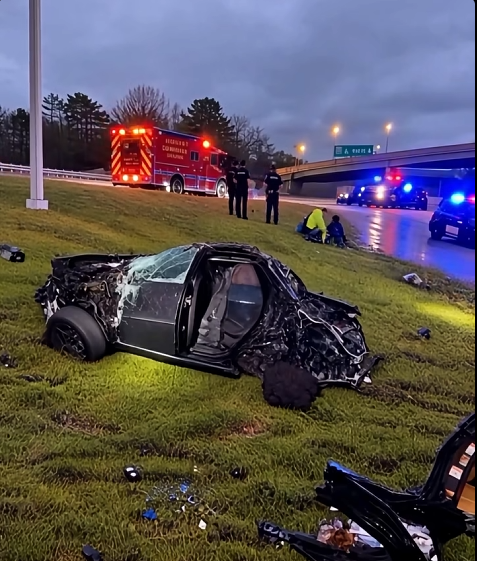
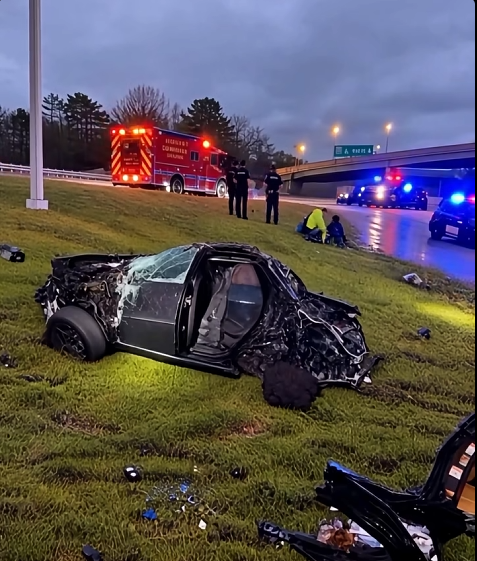
A serious road accident in New York has drawn attention to the importance of traffic safety, emergency response, and the careful investigation of major collisions. Following the incident, emergency personnel responded to the scene, while authorities began gathering information to establish what happened and identify the circumstances surrounding the crash.
Serious traffic accidents can affect far more than the people directly involved. Families, friends, witnesses, emergency responders, and surrounding communities may all experience the consequences of a sudden collision. In some situations, the impact can continue long after the immediate emergency has ended.
Although initial reports may provide an early understanding of an incident, determining the full circumstances often requires time and careful examination. Investigators must review available evidence, consider different possibilities, and establish a reliable sequence of events before drawing conclusions.
For residents, the incident is also an opportunity to reflect on everyday road safety. Busy streets, changing weather conditions, traffic congestion, and driver behavior can all influence the safety of road users. Understanding these factors is important for reducing preventable risks and creating safer communities.
As authorities continue their work, attention remains on establishing accurate information, supporting those affected, and identifying whether any improvements could help prevent similar incidents in the future.
1. What Is Known About the New York Accident?
A serious collision in New York has prompted an emergency response and an investigation into the circumstances surrounding the incident.
Following reports of the crash, emergency personnel attended the location to assess the situation and provide any necessary assistance. Police and other relevant authorities may also secure the surrounding area to allow emergency operations and investigative procedures to take place.
At this stage, the most important responsibility is establishing an accurate account of what occurred.
Details surrounding major accidents can develop over time. Information that becomes available shortly after an incident may be incomplete, particularly when witnesses have not yet been interviewed or physical evidence has not been fully examined.
For this reason, it is important to avoid drawing conclusions before investigators complete their work.
A reliable understanding of a road accident requires more than a brief description of the scene. Authorities generally need to consider several different sources of information, including physical evidence, witness accounts, vehicle conditions, and relevant road information.
The objective is to establish the facts rather than rely on assumptions.
2. Emergency Responders Play a Critical Role
When a serious road collision occurs, emergency responders are often among the first professionals to arrive.
Their responsibilities may include assessing the condition of people involved, providing immediate assistance, coordinating medical transportation, and ensuring that the area is safe for other road users.
Depending on the seriousness of the situation, several emergency services may be involved.
Police officers can help control traffic, secure the scene, and begin documenting the circumstances. Fire and rescue personnel may assist when vehicles are damaged or people require additional support. Medical professionals evaluate injured individuals and determine the appropriate level of care.
These responsibilities must often be performed under difficult conditions.
Emergency responders may arrive while traffic remains congested, weather conditions are unfavorable, or the full extent of the incident is still unknown.
Their ability to work together is essential.
Effective coordination allows different teams to concentrate on their responsibilities while ensuring that the overall emergency response remains organized.
Once immediate assistance has been provided, authorities can begin the next stage of the process: investigating how the collision happened.
3. How Investigators Examine a Serious Traffic Collision
Understanding the circumstances of a major road accident can require considerable time.
Investigators generally approach the process methodically, examining different forms of evidence and comparing information from several sources.
One important part of the investigation involves documenting the physical scene.
This may include recording vehicle positions, examining visible damage, photographing relevant road features, and identifying physical evidence that could help explain the sequence of events.
Investigators may also examine traffic signals, road markings, signs, and surrounding infrastructure.
These details can help establish the conditions that existed before the collision.
Witness statements may provide additional information about what people observed. However, witness accounts are normally considered alongside other evidence rather than treated as the only source of information.
The investigation may also involve reviewing available surveillance recordings or other relevant digital records, where legally accessible.
Every piece of evidence must be evaluated carefully.
A conclusion should be based on the overall findings rather than one isolated detail.
4. Why Establishing a Timeline Is Important
One of the most important objectives in a serious accident investigation is establishing a reliable timeline.
Investigators need to understand what happened before the collision, how the vehicles or road users interacted, and what occurred immediately afterward.
A clear timeline can help explain the sequence of events and identify important factors that may have contributed to the incident.
For example, investigators may need to determine when vehicles entered an intersection, whether traffic signals were operating correctly, and what conditions existed on the road.
They may also examine available recordings and compare them with physical evidence.
The process can become more complicated when several vehicles are involved or when witnesses provide different descriptions of the event.
Small differences in timing or perspective can be important.
This is why investigators generally avoid reaching conclusions too quickly.
A properly established timeline can help authorities understand the incident more accurately and provide a stronger foundation for any subsequent decisions.
5. Possible Factors That May Contribute to Road Accidents
Road accidents rarely have a single explanation in every case.
Different circumstances may contribute to a collision, and investigators must consider relevant possibilities without assuming that any particular factor was responsible.
Driver behavior is one area that may receive attention.
Distraction, failure to follow traffic rules, inappropriate speed, and poor judgment can all increase the possibility of a collision.
Road conditions are another consideration.
Damaged surfaces, construction activity, poor visibility, inadequate lighting, and slippery conditions may influence how safely vehicles can travel.
Mechanical issues may also be relevant in some investigations.
Vehicle braking systems, tires, steering components, and other safety-related systems can affect performance.
In addition, medical emergencies or unexpected events may need to be considered when supported by available evidence.
It is important to emphasize that these are general factors examined in road safety investigations. They should not be interpreted as confirmed causes of the New York incident.
Only the evidence gathered by authorities can establish what actually happened.
6. The Importance of Preserving Evidence
Evidence plays a central role in determining the circumstances of a serious collision.
Once emergency operations are complete, investigators may need to preserve relevant information before it becomes unavailable or changes.
Photographs and official documentation can help record the original condition of the scene.
Vehicle inspections may provide information about damage and the condition of important components.
Witness statements can help establish what people observed, while available recordings may offer additional context.
The quality and reliability of evidence are especially important when an accident involves serious injuries or other significant consequences.
Investigators must also consider whether information is accurate and whether it can be independently supported.
An early description of an accident may be based on limited observations. As more evidence becomes available, the understanding of the incident may change.
Preserving evidence helps ensure that important details can be examined properly.
It also supports a more transparent process in which conclusions can be based on documented findings.
7. The Emotional Impact on Families
A serious road accident can have an immediate and lasting effect on families.
For relatives and friends, the first hours following an incident may involve uncertainty, difficult conversations, and concerns about the well-being of loved ones.
When someone is seriously injured, family members may need to manage hospital visits, medical updates, transportation, and communication with other relatives.
These responsibilities can become overwhelming.
The emotional effects may continue long after the initial emergency.
People affected by a major accident may experience sadness, anxiety, frustration, or difficulty adjusting to changes in their everyday lives.
When an incident results in a fatality, the consequences for relatives and friends can be particularly devastating.