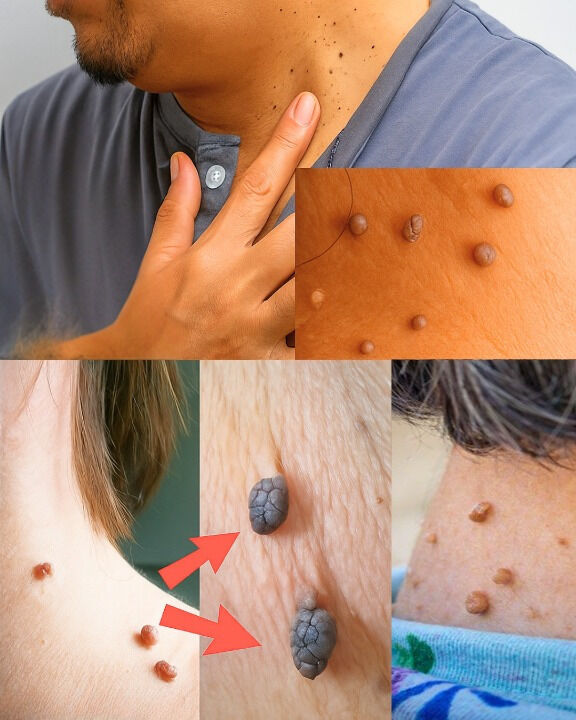
Skin tags are among the most common non-serious skin growths experienced by people of all ages. While they may look unusual or cause mild cosmetic concern, they are typically harmless and painless. Despite their benign nature, skin tags often raise questions: Why do they appear? Are they linked to health conditions? Should they be removed, and if so, how safely?
This in-depth guide explores everything you need to know about skin tags—from what they are and why they develop, to when they may require medical attention, and how to manage or remove them responsibly.
What Are Skin Tags?
Skin tags, medically referred to as acrochordons, are small, soft growths that extend outward from the surface of the skin. They usually appear flesh-colored or slightly darker than the surrounding skin and are attached by a narrow stalk or base.
These growths can range in size from a tiny pinhead to several millimeters wide. Some remain small and barely noticeable, while others may grow larger over time. Skin tags are not contagious, and they do not spread from person to person.
Although they can appear almost anywhere on the body, skin tags most often develop in areas where the skin folds or rubs against itself or clothing.
Common Areas Where Skin Tags Develop
Skin tags are strongly associated with friction and repeated skin contact. As a result, they tend to form in specific locations, including:
- The neck, especially along the collar line
- Under the arms (armpits)
- The groin and inner thigh area
- Under or between the breasts
- Along the eyelids
- Around the waistline
- Occasionally on the back or chest
While skin tags on the eyelids or other visible areas may be particularly bothersome, their presence alone does not indicate a serious health issue.
Why Do Skin Tags Form?
There is no single cause of skin tags. Instead, medical professionals believe that several factors may contribute to their development. Understanding these factors can help explain why some people develop multiple skin tags while others never experience them.
1. Friction and Repeated Skin Contact
One of the most widely accepted explanations for skin tag formation is chronic friction. When skin repeatedly rubs against skin or clothing, it may stimulate excess skin cell growth.
Examples include:
- Tight collars rubbing against the neck
- Bras or straps causing friction under the arms or breasts
- Skin folds rubbing together in warm or humid conditions
Over time, this ongoing irritation may encourage the formation of small skin growths.
2. Blood Sugar and Insulin-Related Factors
Research has found a correlation between skin tags and insulin resistance, a condition in which the body does not use insulin efficiently. Insulin plays a role in regulating blood sugar, and elevated insulin levels may stimulate increased cell growth in the skin.
Because of this association, skin tags are more commonly seen in people with:
- Type 2 diabetes
- Prediabetes
- Metabolic syndrome
It is important to note that having skin tags does not automatically mean someone has diabetes. However, a sudden increase in the number of skin tags may be a reason to discuss overall health with a medical professional.
3. Hormonal Changes
Hormones influence many processes in the body, including skin growth and regeneration. Certain life stages and conditions may increase the likelihood of developing skin tags, such as:
- Pregnancy
- Middle age
- Hormonal imbalances
During these periods, hormonal fluctuations may affect how skin cells grow and repair themselves, making skin tags more likely to appear.
4. Genetics and Family History
Genetics also appear to play a role. People with close family members who have multiple skin tags are more likely to develop them as well. While the exact genetic mechanism is not fully understood, inherited tendencies may influence how skin responds to friction, hormones, and other triggers.
5. Body Weight and Skin Folds
Skin tags are more commonly observed in individuals who are overweight or obese. This is likely due to increased skin folds, which create more opportunities for friction and moisture buildup.
However, skin tags are not limited to any specific body type. People of all sizes can develop them, particularly in areas where skin rubs together regularly.
Are Skin Tags Dangerous?
In the vast majority of cases, skin tags are benign, meaning they are not cancerous and do not pose a medical threat. They typically do not cause pain or discomfort unless they are irritated, twisted, or caught on clothing or jewelry.
That said, not all skin growths are skin tags. Certain changes may warrant further evaluation to rule out other conditions.
When a Skin Growth Should Be Checked by a Doctor
You should seek medical advice if a skin growth:
- Changes color, especially if it becomes dark, black, or uneven
- Bleeds without being scratched or injured
- Becomes painful or inflamed
- Grows rapidly or develops an irregular shape
- Has a hard or firm texture instead of being soft
- Appears suddenly in large numbers
These signs do not necessarily indicate something serious, but they should be evaluated by a healthcare professional to ensure proper diagnosis.
Why Some People Choose to Remove Skin Tags
Many people live with skin tags without any issues. However, removal may be considered for several reasons:
- Cosmetic concerns, especially on the face or neck
- Repeated irritation from clothing or jewelry
- Bleeding due to friction or accidental pulling
- Personal comfort or confidence
It is important to approach removal carefully to avoid complications.
Safe and Professional Skin Tag Removal Options
The safest way to remove a skin tag is through a trained medical professional. In-office procedures are quick, effective, and designed to minimize risks.
1. Medical Scissors or Surgical Removal
Doctors may use sterile instruments to snip off small skin tags. This method is typically fast and causes minimal discomfort. In some cases, a local anesthetic may be used.
2. Cryotherapy (Freezing)
Cryotherapy involves freezing the skin tag with liquid nitrogen. This causes the tissue to die and eventually fall off. This method is commonly used and generally well tolerated.
3. Cauterization
Cauterization uses controlled heat or electrical energy to burn off the skin tag and seal the area. This reduces bleeding and lowers the risk of infection when performed professionally.
Risks of Do-It-Yourself Skin Tag Removal
While many home remedies circulate online, self-removal carries significant risks. Cutting or tying off skin tags at home can lead to:
- Excessive bleeding
- Infection
- Scarring
- Delayed healing
- Misdiagnosis of non-benign growths
Applying harsh chemicals, acids, or unverified substances can damage surrounding skin and cause long-term irritation. These methods are especially dangerous on sensitive areas such as the face, eyelids, or genitals.
Over-the-Counter Skin Tag Removal Products
Some over-the-counter products are marketed for skin tag removal. While certain options may be approved for limited use, they should be approached with caution.
If considering an over-the-counter option:
- Read and follow all instructions carefully
- Avoid sensitive or high-risk areas
- Stop use if pain, bleeding, or irritation occurs
- Consult a healthcare provider if unsure
Professional guidance is always the safest approach.
Can Skin Tags Be Prevented?
Skin tags cannot always be prevented, especially when genetics or hormonal factors are involved. However, certain lifestyle habits may help reduce the likelihood of developing new ones.
Practical Ways to Lower Risk
- Maintain a healthy weight to reduce skin folds
- Wear loose-fitting clothing to minimize friction
- Keep skin clean and dry, especially in warm areas
- Manage blood sugar levels through diet and exercise
- Address underlying health conditions with medical guidance
These steps support overall skin health and may reduce irritation that contributes to skin tag formation.
Skin Tags and Emotional Well-Being
While medically harmless, skin tags can affect self-confidence for some individuals, particularly when located in visible areas. It is important to remember that skin tags are extremely common and do not reflect poor hygiene or health.
If skin tags cause emotional distress, discussing removal options with a professional can provide peace of mind and reassurance.
When to Seek Professional Advice
You should consult a healthcare provider if:
- You are unsure whether a growth is a skin tag
- The skin tag is painful, bleeding, or changing
- It is located in a sensitive or visible area
- You want removal with minimal risk of scarring
- You notice a sudden increase in skin growths
A professional evaluation ensures accurate diagnosis and safe treatment.
Final Thoughts
Skin tags are a normal and widespread skin condition that affects millions of people worldwide. They are generally harmless, painless, and easy to manage. While they may be cosmetically inconvenient, they rarely signal serious health problems.
Understanding why skin tags form, recognizing when medical attention is needed, and choosing safe removal methods can help you make informed decisions. By reducing friction, supporting overall health, and seeking professional care when necessary, you can manage skin tags confidently and safely.
If a skin tag ever causes concern, discomfort, or uncertainty, consulting a qualified medical professional is always the most reliable course of action.