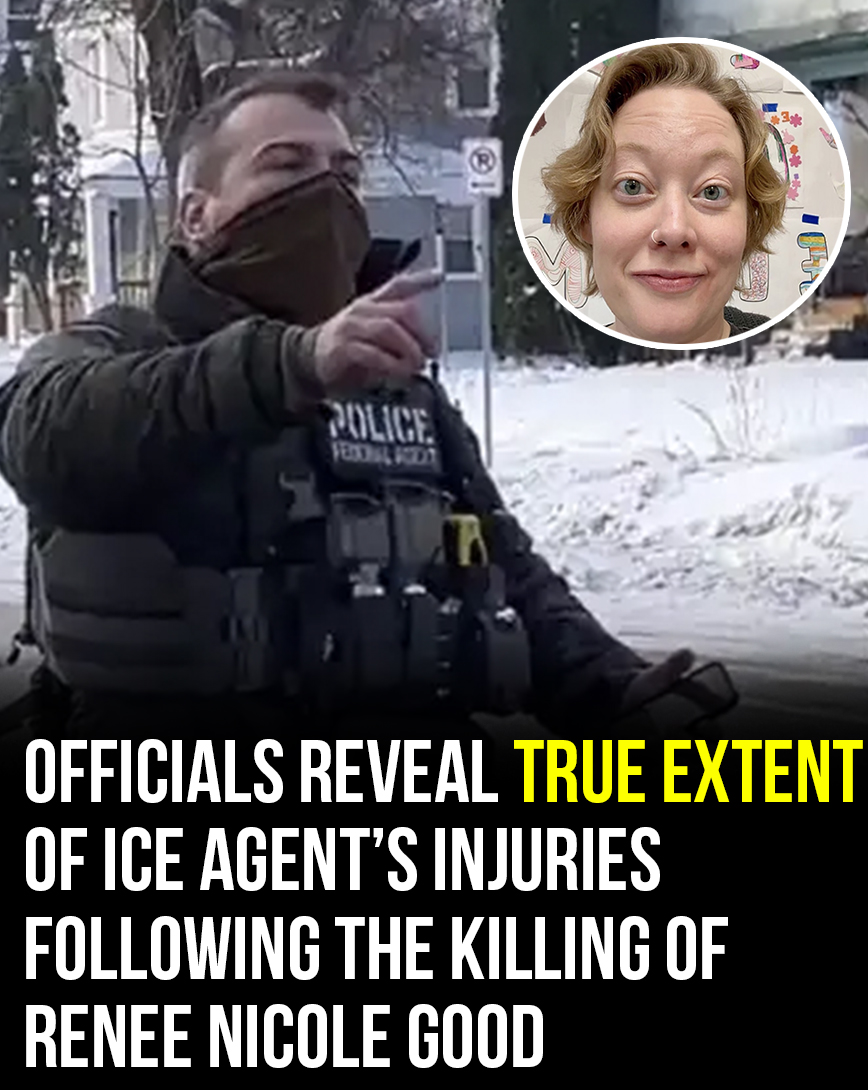
Tensions in Minneapolis continue to rise following the fatal shooting of Renee Nicole Good, and new details about the incident have added another layer to an already volatile situation.
New details emerge about ICE agent’s injuries
According to multiple U.S. officials familiar with the case, the ICE agent who fired the fatal shots, Jonathan Ross, suffered internal bleeding during the confrontation. While the Department of Homeland Security has confirmed that Ross sustained injuries to his torso, officials have not disclosed the severity or full medical details.
The shooting occurred on January 7 on a residential street in Minneapolis during an encounter between federal immigration agents and Good, a 37-year-old mother. Video footage circulating online appears to show Good seated in her Honda Pilot as officers ordered her to exit the vehicle. As she attempted to drive away, Ross discharged his weapon, striking her in the head. The footage also suggests physical contact between the agent and the vehicle in the moments leading up to the gunfire.
Federal officials stand by self-defense claim
The Trump administration has consistently maintained that Ross acted in self-defense. Deputy Attorney General Todd Blanche stated that there is currently “no basis for a criminal civil rights investigation,” emphasizing that the matter is being handled exclusively by the FBI, without involvement from Minnesota state authorities.
The administration’s position has been echoed by senior officials, including Donald Trump, who previously described Good’s actions as “pretty tough” while acknowledging that she may have been a “wonderful person” under normal circumstances. Federal authorities have framed the incident as one in which an officer faced immediate danger.
Public response and fundraising controversy
In the aftermath of the shooting, public reaction has been intense and deeply divided. Fundraising campaigns have surged on both sides of the tragedy. A GoFundMe campaign in support of Ross has reportedly raised more than $700,000, while a separate fundraiser for Good’s wife and son has exceeded $1 million.
However, questions have been raised about whether Ross can legally accept the funds. Under guidance from the U.S. Office of Government Ethics, federal employees are generally prohibited from receiving additional compensation related to their official duties, leaving uncertainty about how the donations will be handled.
Protests intensify as enforcement increases
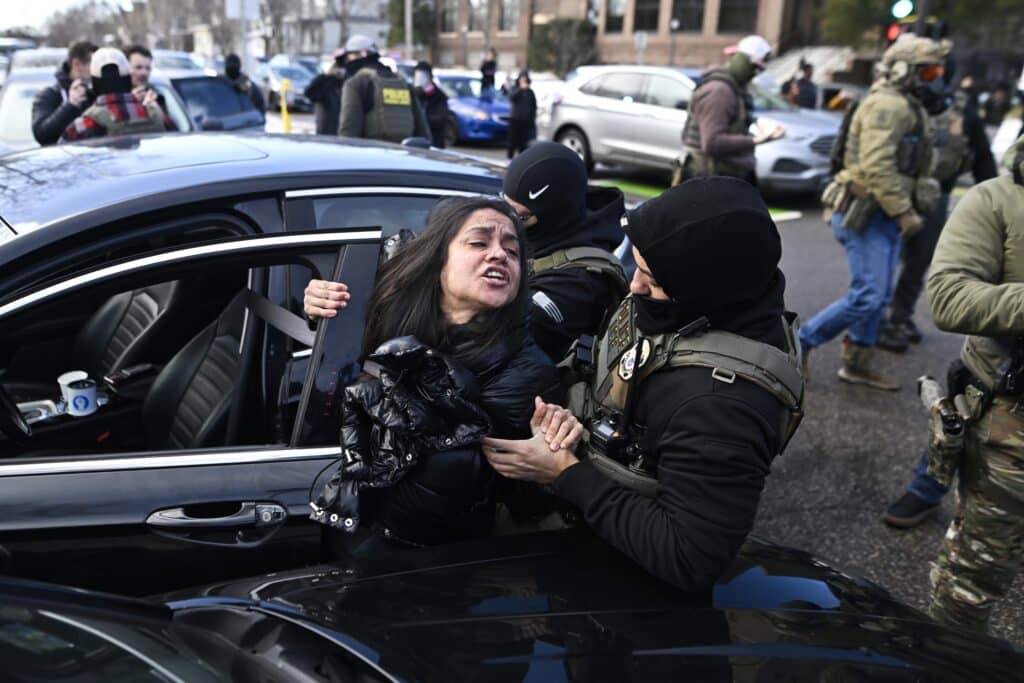
The shooting has become a flashpoint amid a broader escalation of immigration enforcement in Minnesota. Protests have continued across Minneapolis, with demonstrators clashing with federal agents as ICE expands its operations. These actions have included pulling individuals from vehicles and detaining people in public spaces, sometimes in front of onlookers.
On Wednesday, the Department of Homeland Security reported another shooting involving a federal officer in Minneapolis. According to DHS, the officer fired at a suspect’s leg after being violently assaulted during an attempted arrest. The incident has further heightened tensions and fueled criticism from local officials and civil rights advocates.
Legal challenges and political backlash
Minnesota officials have pushed back forcefully against the federal response. During a hearing related to the state’s lawsuit challenging the administration’s immigration crackdown, Assistant Attorney General Brian Carter called for de-escalation, saying, “What we need most of all right now is a pause. The temperature needs to be lowered.”
U.S. District Judge Katherine Menendez underscored the gravity of the situation, stating that the killing of Renee Good would remain “on the front burner.” She has ordered the Justice Department to respond to Minnesota’s request for a restraining order, noting that the matter involves “grave and important” concerns.
Minneapolis Mayor Jacob Frey has been among the most vocal critics, condemning the federal enforcement actions as discriminatory. He argued that individuals appear to be targeted based on race or ethnicity, pointing to documented cases in which U.S. citizens were detained during ICE operations.
A city on edge
As investigations continue and legal challenges move forward, Minneapolis remains on edge. The fatal shooting of Renee Good, revelations attaching new details about the agent’s injuries, ongoing protests, and increased federal enforcement have combined to create a tense and uncertain atmosphere. With court deadlines approaching and public scrutiny intensifying, the incident shows no signs of fading from the national spotlight.