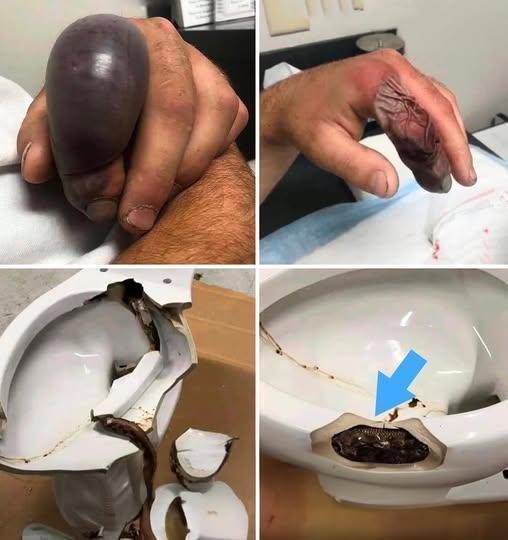
Snake bites in toilets are an unusual, often shocking phenomenon. While rare, they have occurred across multiple continents, and the consequences can range from minor injuries to serious medical emergencies. The effects extend beyond the physical to include significant psychological trauma. This section explores the medical challenges, recovery processes, infection risks, and long-term emotional consequences in great detail.
5.1 Immediate Medical Concerns
When a snake strikes in a bathroom, the unexpected nature of the attack amplifies the risk. People are often seated or in vulnerable positions, which increases the severity of injuries.
- Venomous Bites
- Venomous snakes such as cobras, vipers, or kraits can deliver neurotoxic or hemotoxic venom, potentially causing life-threatening effects.
- Neurotoxic venom interferes with the nervous system, potentially paralyzing respiratory muscles. Immediate medical attention is critical.
- Hemotoxic venom attacks blood cells and tissues, causing swelling, internal bleeding, and tissue death.
- Non-Venomous Bites
- Snakes like pythons, rat snakes, and carpet pythons are non-venomous but have powerful constricting abilities and sharp teeth.
- Even without venom, bites can cause puncture wounds, lacerations, and heavy bleeding.
- Because of the sensitive location—often thighs, buttocks, or genitals—these injuries can require surgical intervention.
- Complex Wound Dynamics
- The bathroom environment can make bites more complicated. Moisture and bacteria from drains can infect wounds quickly.
- Immediate first aid includes immobilizing the affected area, applying pressure to slow venom spread, and cleaning the wound if possible before reaching a hospital.
5.2 Notable Case Studies
- Thailand: A man was bitten on the testicles by a 12-foot python hiding in a toilet. Though non-venomous, the bite caused significant tissue damage. Surgeons worked for hours to repair the injury, and the victim required weeks of follow-up care to prevent infection and restore function.
- South Africa: A Dutch tourist encountered a Cape cobra in an outdoor toilet. The venom caused severe tissue necrosis, requiring reconstructive surgery. Doctors monitored the patient for cardiovascular complications and provided antivenom therapy.
- Texas, USA: A woman was bitten by a rat snake in her home toilet. Though non-venomous, the puncture wound became infected, requiring antibiotics and wound care. She also experienced psychological distress due to the shock of the incident.
- Australia: A carpet python bit a woman on the thigh while she used an outdoor toilet. She required medical treatment for deep puncture wounds and suffered temporary mobility issues due to swelling.
These cases illustrate that the severity of injury depends not only on the snake species but also on the body area affected, the environment, and promptness of medical care.
5.3 Infection Risks and Hygiene Challenges
Bathrooms and sewer systems are naturally harboring bacteria such as E. coli and Salmonella. When a snake emerges from pipes or drains, its fangs may be contaminated.
- Common infections include cellulitis, abscess formation, and systemic bacterial infection.
- Treatment protocols often involve:
- Wound irrigation and cleaning
- Prescribed broad-spectrum antibiotics
- Monitoring for signs of sepsis, especially in older adults or immunocompromised patients
Experts emphasize that even non-venomous bites require professional evaluation to prevent serious infection.
5.4 Pain and Physical Recovery
Recovering from a snake bite in a bathroom involves more than just treating the immediate wound. Pain management and physical rehabilitation play crucial roles:
- Pain Control: Bites in sensitive areas often require prescription painkillers or localized treatments.
- Mobility Issues: Swelling in the thighs or buttocks can limit movement. Physical therapy may be recommended to restore full range of motion.
- Surgical Recovery: Some cases require skin grafts or reconstructive surgery, particularly when tissue necrosis occurs.
Recovery timelines vary widely, from a few days for minor puncture wounds to several weeks or months for serious bites.
5.5 Psychological and Emotional Impact
The emotional impact of a toilet snake bite can be profound. Unlike snake encounters in nature, a bathroom is a place of expected safety and privacy, making the experience particularly shocking.
5.5.1 Common Emotional Reactions
- Fear and Anxiety: Victims may develop a persistent fear of using toilets, especially in public or outdoor settings.
- Nightmares and Sleep Disturbances: Many report vivid dreams involving snakes, disrupting normal sleep patterns.
- Hypervigilance: Survivors often check bathrooms, drains, and pipes repeatedly before use.
- Embarrassment: Injuries to intimate body areas can lead to reluctance to discuss the incident, increasing emotional isolation.
5.5.2 Post-Traumatic Stress Disorder (PTSD)
Some survivors develop PTSD-like symptoms, including:
- Flashbacks to the incident
- Panic attacks triggered by bathroom visits or even snake images
- Avoidance of places perceived as risky, impacting daily life and travel
Psychologists note that early intervention is critical to prevent long-term trauma.
5.6 Professional Support and Recovery
Medical treatment alone is not sufficient. Survivors often benefit from:
- Therapy: Cognitive-behavioral therapy (CBT) helps address fear, anxiety, and avoidance behavior.
- Support Groups: Sharing experiences reduces feelings of isolation and normalizes the emotional response.
- Education: Learning about the rarity of these events can reduce exaggerated fears.
- Family Support: Encouragement and patience from loved ones facilitate recovery.
Experts stress that a holistic recovery plan addressing both physical and psychological health is most effective.
5.7 Historical and Statistical Perspective
Although these incidents make headlines, data suggest that toilet snake bites are extremely rare:
- Millions of toilet users in tropical regions encounter snakes very rarely.
- Most documented cases are isolated incidents, often involving rural or older homes with compromised drainage systems.
- Awareness campaigns and proper plumbing maintenance have reduced reported cases in some countries.
Despite their rarity, the shock factor and potential severity justify public awareness, especially in high-risk regions.
5.8 Key Recommendations for Survivors
- Seek Immediate Medical Help: All bites should be evaluated by a healthcare professional.
- Follow Up on Wound Care: Monitor for infection and attend all follow-up appointments.
- Address Psychological Health: Therapy and support are essential for coping with trauma.
- Document the Incident: This helps in public health awareness and understanding of snake behavior.
5.9 Summary
Snake bites in toilets may be unusual, but they carry real medical and psychological consequences:
- Physical risks include venom complications, deep puncture wounds, infections, and tissue damage.
- Psychological effects include fear, anxiety, PTSD, and long-term behavioral changes.
- Proper treatment, support, and public awareness help victims recover fully.
These incidents serve as a reminder that even in familiar, private spaces, nature can sometimes surprise us, but with preparedness and knowledge, the risks are manageable.