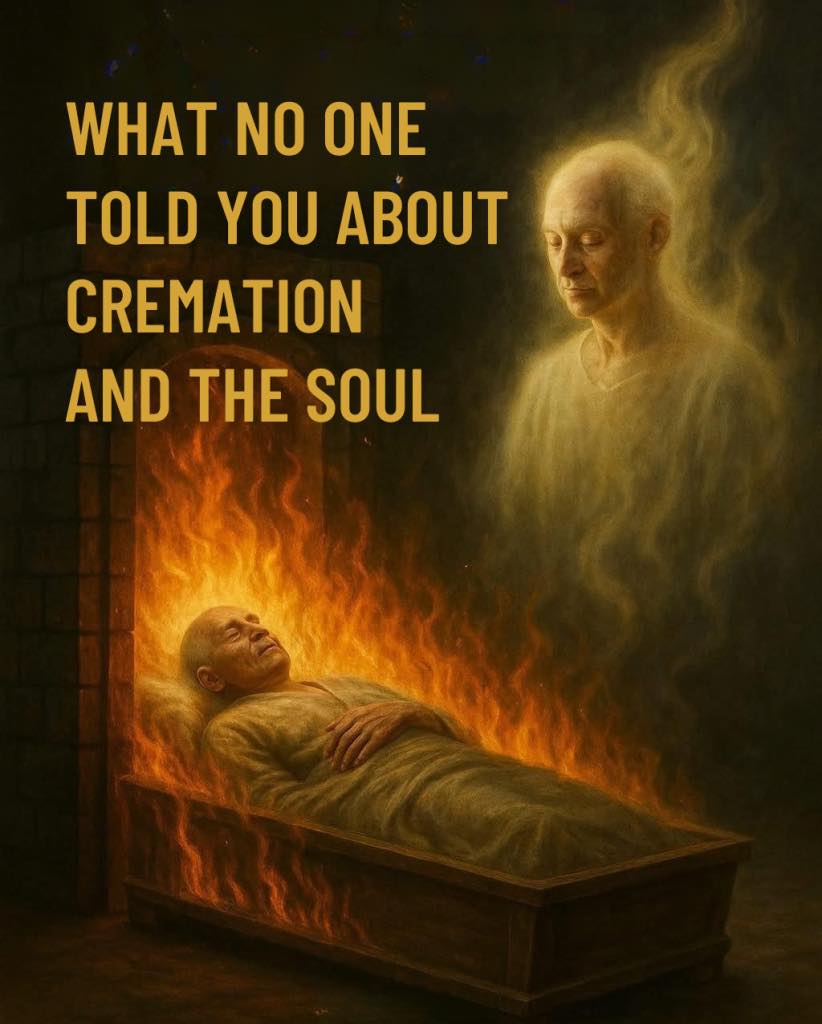
Cremation has become an increasingly common practice worldwide, transcending cultural, social, and religious boundaries. Despite its growing acceptance, many Christians continue to grapple with the question: Is cremation a sin? This question touches on deeply held beliefs about the body, death, and the promise of resurrection. While burial has traditionally been the preferred method of laying the deceased to rest, cremation has become widely considered acceptable within Christian faith when approached with reverence and respect. This article explores the historical, theological, and modern perspectives on cremation in Christianity, providing guidance for believers seeking clarity.
Historical Context: Burial in the Bible
In the Bible, burial was the standard method for handling the deceased, particularly among the Israelites. The practice of burying loved ones demonstrated respect, familial duty, and spiritual devotion. For example, Abraham purchased a burial site for his wife Sarah in Hebron (Genesis 23:19), establishing one of the earliest recorded tombs in biblical history. This act highlighted both the sacredness of the body and the importance of proper burial. Similarly, Joseph, after his death in Egypt, was returned to Canaan for burial in the family tomb (Joshua 24:32), further emphasizing the traditional burial custom among the Israelites.
Instances of burning the body appear in Scripture, but these occurrences were generally linked to dishonor or divine punishment rather than religious practice. For instance, Achan, who disobeyed God’s command, was executed and burned (Joshua 7:25), and the bodies of Saul and his sons were burned after their deaths in battle (1 Samuel 31:12). These narratives, while mentioning burning, are not prescriptive; they illustrate consequences for sin rather than guidelines for honoring the dead. Therefore, historical precedent in the Bible does not explicitly prohibit cremation but reflects the cultural preference for burial.
Theological Perspectives on Cremation
Christian theologians generally agree that the Bible does not label cremation as sinful. While burial was customary in biblical times, there is no direct biblical command forbidding the cremation of the body. The key theological consideration in Christianity is the belief in the resurrection of the body, as stated in 1 Corinthians 15:42-44. The Apostle Paul emphasizes that God’s power ensures resurrection regardless of the body’s physical condition. This perspective reassures believers that cremation does not compromise their hope in eternal life.
Some Christian traditions emphasize the body as the “temple of the Holy Spirit” (1 Corinthians 6:19-20), suggesting that it should be treated with care and respect. Traditionally, burial has been considered the most honorable way to demonstrate such reverence. However, theologians point out that respect can also be shown through careful cremation, memorialization, and the dignified handling of ashes. The focus is not on the method but on the attitude and intention behind the practice.
Modern Christian Practices
In contemporary society, cremation is chosen for practical, financial, and environmental reasons. Economically, cremation is often more affordable than traditional burial, especially when considering the costs of caskets, vaults, and cemetery plots. Practically, cremation allows flexibility in funeral services, memorial locations, and timing, which can help families plan meaningful ceremonies that honor their loved ones. Environmental considerations have also played a role, with cremation viewed as a more sustainable option compared to land-intensive burials.
Churches have adapted to these changing needs. The Catholic Church, for example, now permits cremation as long as it is not chosen to deny or reject the belief in resurrection. Likewise, many Protestant denominations accept cremation and leave the choice to the individual’s conscience. Clergy often emphasize that the decision should be guided by faith, tradition, and spiritual discernment.
Spiritual and Pastoral Considerations
For Christians, the spiritual significance of death and resurrection outweighs the method of disposing of the body. Pastoral guidance often stresses that cremation is not inherently disrespectful or sinful. The primary focus should be on maintaining faith in God’s promise of eternal life, honoring the deceased, and comforting the bereaved.
Clergy may provide counsel to families facing cremation decisions, helping them navigate emotional and spiritual concerns. They often encourage families to consider memorial services, interment of ashes in sacred places, or other meaningful ceremonies. These practices ensure that the body is treated with dignity while reinforcing faith in the resurrection.
Addressing Misconceptions
Despite growing acceptance, misconceptions persist regarding cremation. Some believe that cremation indicates a lack of faith or undermines Christian beliefs. Others worry that the resurrection is impossible if the body is cremated. These concerns, while understandable, are addressed directly in biblical theology. As 1 Corinthians 15 clarifies, resurrection is a divine act, independent of the body’s physical state. Cremation, therefore, does not conflict with the Christian hope in life after death.
Cross-Denominational Perspectives
Christian views on cremation vary across denominations:
- Catholicism: Cremation is allowed, but traditionally burial was preferred. The ashes should be treated respectfully, ideally kept in a sacred place or interred in a cemetery.
- Protestantism: Most Protestant churches accept cremation. The choice is left to individual conscience, with emphasis on honoring the deceased and celebrating life.
- Orthodox Christianity: Some Orthodox traditions prefer burial, reflecting ancient customs and liturgical teachings. Cremation may be discouraged but is not uniformly condemned.
- Evangelical and Non-Denominational Churches: Flexibility is common, with the decision guided by personal belief, family preference, and pastoral advice.
Understanding these nuances helps believers navigate cremation within their faith tradition while respecting personal convictions.
Cultural and Social Influences
Cremation practices are also shaped by cultural norms. In some countries, cremation has become the standard due to space limitations in cemeteries, societal trends, or economic realities. In contrast, other regions maintain a strong preference for traditional burial. Within Christianity, these cultural influences coexist with spiritual considerations, creating a diverse spectrum of practices.
Modern memorialization options further normalize cremation. Families may scatter ashes in meaningful locations, keep urns at home, or incorporate ashes into memorial objects. These practices allow for personalized ceremonies that reflect values, environmental concerns, or emotional needs, while remaining consistent with Christian teachings.
Practical Guidance for Families
Families considering cremation should approach the decision thoughtfully:
- Reflect on Personal and Spiritual Beliefs: Consider theological teachings and personal convictions regarding death and resurrection.
- Seek Pastoral Counsel: Engage with clergy or spiritual advisors to gain perspective and support.
- Plan Meaningful Memorials: Consider how to honor the deceased through services, interment, or memorial objects.
- Balance Practical Considerations: Factor in cost, convenience, and environmental impact.
- Maintain Reverence and Respect: Ensure that ashes are handled with dignity, reflecting the sacredness of the human body.
By integrating these steps, families can make informed decisions that align with both faith and practical needs.
Statistics and Trends
Cremation rates have increased significantly in recent decades, reflecting broader social changes. In countries like the United States, the cremation rate has surpassed 50%, and projections indicate continued growth. Factors contributing to this trend include:
- Rising funeral costs
- Limited cemetery space
- Greater acceptance of alternative memorial practices
- Environmental awareness
Among Christians, this shift reflects both practical considerations and evolving attitudes toward death, demonstrating that cremation is increasingly compatible with faith and culture.
Honoring the Deceased
Ultimately, whether a family chooses cremation or burial, the key focus is honoring the life of the deceased. Christianity emphasizes love, remembrance, and the hope of resurrection. Memorial services, tributes, and rituals serve as expressions of faith and community support, helping families navigate grief while celebrating life. Cremation can support these goals, offering flexibility and opportunity for meaningful remembrance.
Conclusion
Cremation in Christianity is not considered a sin. Historical practices emphasized burial, but Scripture does not explicitly prohibit cremation. Theologically, the resurrection of the body is assured by God’s power, regardless of the body’s treatment. Modern Christians increasingly choose cremation for practical, financial, and environmental reasons, while churches, including Catholic and Protestant denominations, provide guidance to ensure the practice aligns with faith principles.
The decision between burial and cremation is deeply personal, influenced by conscience, spiritual reflection, and family needs. Faith, respect for the deceased, and hope in eternal life remain central. Cremation, when approached thoughtfully, dignifies the human body, honors the departed, and affirms belief in resurrection and eternal life.
By exploring biblical history, theological perspectives, practical considerations, and cultural trends, believers can approach cremation with confidence and clarity. In the end, the method of handling the body is secondary to faith, reverence, and the enduring hope in God’s promise of life beyond death.