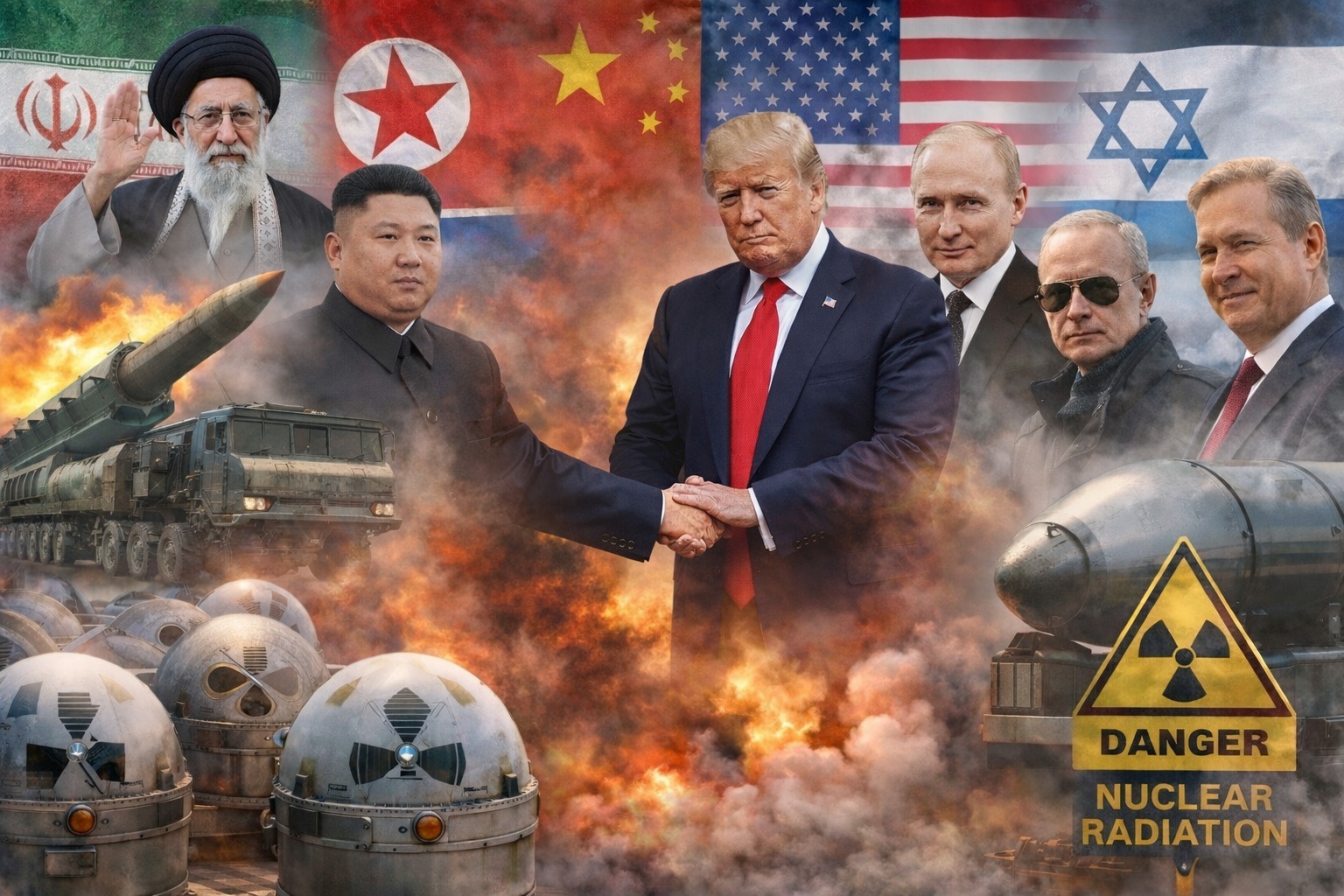
After Russia’s full-scale invasion of Ukraine and growing pressure from the United States, the European Union is being forced to confront a reality that once seemed unlikely: it must strengthen its own defence. For decades, Europe relied on diplomacy, economic cooperation, and NATO’s security umbrella to maintain stability. Now, with the war in Ukraine continuing and warnings from military leaders becoming more direct, European leaders are rapidly working to improve the continent’s military readiness.
The sense of urgency has grown across Europe. EU leaders recently approved a €90 billion loan package to support Ukraine, while European Commission President Ursula von der Leyen introduced major defence initiatives aimed at strengthening Europe’s deterrence capacity by 2030. At the same time, security warnings have intensified. Russian President Vladimir Putin has signaled that Russia is ready for confrontation, while NATO Secretary General Mark Rutte warned that Russia could threaten NATO territory within the next five years.
Despite political urgency, public opinion appears far less prepared for conflict. A Euronews poll of nearly 10,000 people found that 75% of Europeans said they would not fight for the EU’s borders, while only 19% said they would. However, concern about Russian aggression is significantly higher in countries closer to Russia, such as Poland, Lithuania, and Denmark, where military threats are seen as one of the main security challenges facing the region.
In response, both national governments and EU institutions are increasing defence spending and coordinating military planning. European defence budgets surpassed €300 billion in 2024, and the EU has launched programs like Readiness 2030 and ReArm Europe to strengthen military infrastructure, weapons production, and cooperation between member states. Yet experts warn that Europe still faces major structural challenges, including slow procurement systems and fragmented defence industries. As many officials now acknowledge, the key question is no longer whether Europe should act—but whether it can act quickly enough.