March 7, 2026
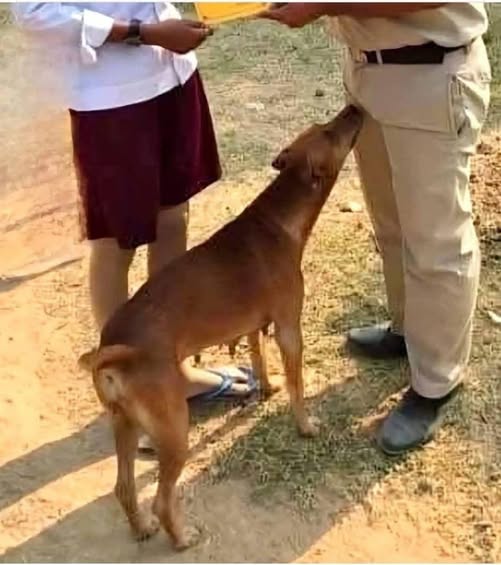
For many dog owners, few moments are as awkward as when a dog greets someone by sniffing an area humans consider private. While the behavior can feel embarrassing, experts say it is actually a normal and important part of canine communication.
Understanding why dogs sniff — and what information they gather through their noses — can help pet owners better understand their animals and strengthen their bond.
Dogs Experience the World Through Smell
Unlike humans, who rely primarily on sight and sound, dogs experience the world largely through their sense of smell. A dog’s nose contains hundreds of millions of scent receptors — far more than the human nose — allowing them to detect extremely subtle chemical signals.
According to pet behavior resources such as Master Bowie, dogs use sniffing as a primary way to gather information about their surroundings and the people or animals they encounter.
These scent signals often come from pheromones, natural chemicals released by the body.
Why Dogs Sniff Private Areas
Humans have specialized sweat glands called apocrine glands, which release pheromones that carry important biological information. These glands are highly concentrated in areas such as the armpits and genital region.
Because dogs cannot easily reach a person’s armpits, they often sniff the crotch area instead. From a dog’s perspective, this behavior is simply a way of greeting someone and learning about them.
Through scent, dogs can gather information such as:
- Age
- Sex
- Emotional state
- Overall health
Experts often compare this process to the human equivalent of shaking hands or introducing oneself. What may seem socially awkward to humans is simply a dog’s way of saying hello.
Sniffing as a Form of Communication
Dogs rely on non-verbal communication to interact with their environment. In addition to sniffing, they communicate through body language, vocalizations, and facial expressions.
When a dog approaches someone and begins sniffing, it is not attempting to be rude or intrusive. Instead, the dog is trying to gather information and establish familiarity.
Recognizing this behavior as natural can help pet owners respond calmly rather than with embarrassment or frustration.
Managing Excessive Sniffing
Although sniffing is normal, some situations may require owners to guide their dogs toward more socially appropriate behavior.
Training methods based on positive reinforcement are widely recommended. By rewarding desired actions with treats, praise, or affection, dogs learn which behaviors are acceptable.
Simple commands such as “sit,” “stay,” or “come” can help redirect a dog’s attention when sniffing becomes excessive or uncomfortable for others.
Consistency and patience are key to successful training.
The Importance of Understanding Dog Behavior
Being a responsible dog owner involves more than providing food and shelter. It also requires understanding how dogs communicate and what their behaviors mean.
Key aspects of responsible pet ownership include:
- Providing balanced nutrition appropriate for the dog’s age and health
- Ensuring regular physical exercise
- Scheduling routine veterinary checkups
- Creating a safe and stimulating environment
By learning to interpret behaviors such as sniffing, owners can build stronger relationships with their pets and respond to them in a supportive way.
A Natural Part of Canine Life
Experts emphasize that sniffing is not a behavioral problem but a fundamental part of how dogs explore their world and interact socially.
Rather than viewing the behavior as embarrassing, pet owners can see it as an important reminder of how differently dogs experience their environment.
Understanding these instincts helps create a healthier, more respectful relationship between humans and their canine companions.