Tensions between the United States and Iran have escalated sharply as military strikes, economic disruption, and increasingly aggressive rhetoric push the conflict toward a dangerous new phase.
The situation intensified after Iran reportedly shut down traffic through the Strait of Hormuz, one of the most critical shipping lanes in the world. Roughly 20 percent of global oil shipments pass through this narrow channel connecting the Persian Gulf to the open sea. When Iran announced the closure, global markets reacted immediately, with oil prices surging amid fears of prolonged disruption.
The conflict between the two countries has now stretched into its tenth day, with both sides exchanging strikes and issuing increasingly severe warnings.
According to reports, the latest crisis follows a dramatic escalation in the region after U.S. forces killed Iran’s Supreme Leader, Ali Khamenei, during a series of strikes targeting Iranian leadership and military infrastructure. Iran has since launched retaliatory attacks as the United States and Israel continue military operations in the region.
The shutdown of the Strait of Hormuz has amplified concerns far beyond the battlefield. Because the waterway serves as the world’s busiest oil transit route, even the threat of disruption can shake global energy markets.
Iran previously warned that it would target vessels attempting to pass through the strait, reportedly threatening to “set fire” to ships that ignored its blockade.
In response, U.S. President Donald Trump issued a strong warning to Iran, making it clear that any interference with the oil route would trigger an overwhelming response.
Posting on Truth Social on March 10, Trump warned that the United States would retaliate aggressively if Iran attempted to halt global oil shipments through the strait.
“If Iran does anything that stops the flow of Oil within the Strait of Hormuz, they will be hit by the United States of America TWENTY TIMES HARDER than they have been hit thus far,” Trump wrote.
The president continued by outlining the severity of potential military action.
“Additionally, we will take out easily destroyable targets that will make it virtually impossible for Iran to ever be built back, as a Nation, again — Death, Fire, and Fury will reign upon them — But I hope, and pray, that it does not happen!”
Trump also suggested that maintaining the flow of oil through the strait would benefit countries heavily dependent on the route, including China and several Asian economies.
While the message was framed as a warning, it quickly drew a sharp response from Iranian leadership.
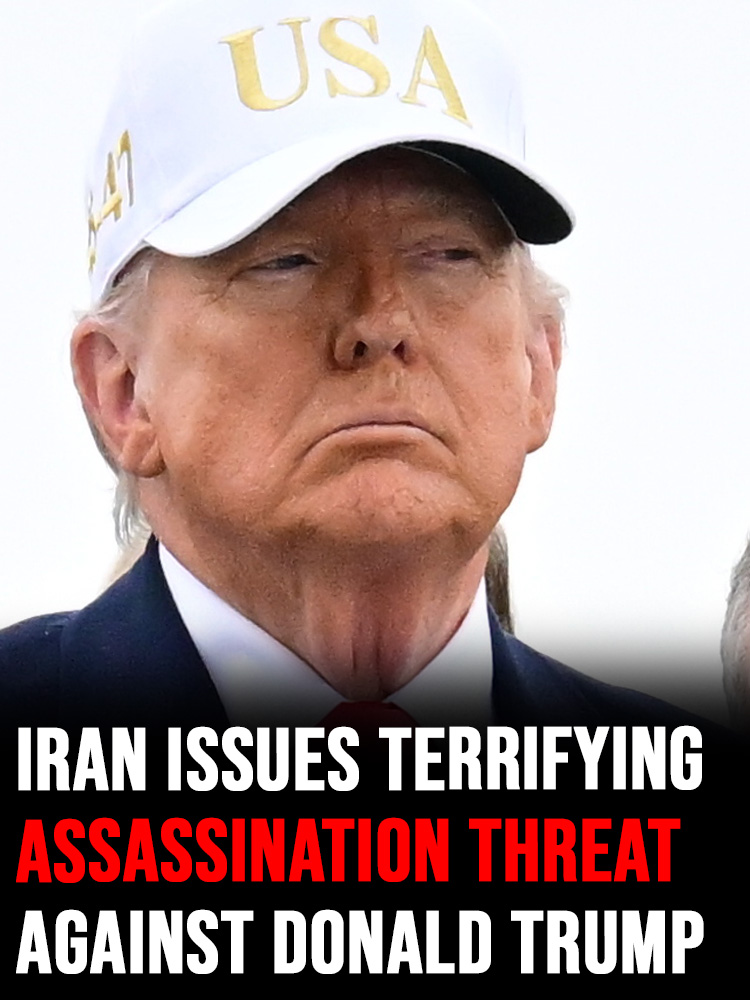
Ali Ardashir Larijani, the secretary of Iran’s Supreme National Security Council, issued a statement that many observers interpreted as a direct threat toward the U.S. president.
“The Ashura nation of Iran is not afraid of your empty threats. Even those greater than you could not eliminate the Iranian nation. Be careful not to be eliminated!”
The statement concluded with a signature identifying the source as Iran’s Supreme National Security Council, dated March 19, 1404 in the Iranian calendar — marking ten days since what officials described as the “martyrdom” of Ayatollah Khamenei.
This is not the first time tensions between Iran and the United States have included alleged assassination plots.
Earlier this month, on March 4, U.S. Secretary of War Pete Hegseth claimed that an Iranian-linked unit had attempted to carry out an assassination attempt against Donald Trump. According to Hegseth, U.S. forces located and eliminated the leader of the group believed to be responsible.
While those claims have intensified concerns about escalating hostilities, analysts caution that rhetoric during wartime often becomes more extreme as governments attempt to demonstrate strength to both domestic audiences and international rivals.
For now, the closure of the Strait of Hormuz remains one of the most immediate global concerns. Any sustained disruption could send shockwaves through the international economy, affecting energy prices, shipping routes, and supply chains worldwide.
With military strikes continuing and political statements growing increasingly confrontational, the situation remains highly volatile. Diplomatic efforts to de-escalate the crisis have so far shown little progress, leaving many observers worried about how far the conflict could spread if tensions continue to rise.
As the standoff deepens, governments, markets, and citizens around the world are watching closely — aware that developments in this narrow stretch of water could have consequences far beyond the Middle East.
Share your thoughts on the situation in the comments.