March 16, 2026
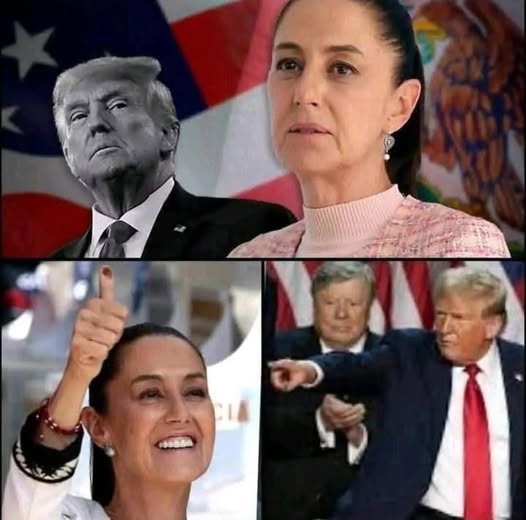
Political tensions between the United States and Mexico have intensified in 2026 as leaders on both sides confront growing concerns about organized crime, border security, and the escalating synthetic drug crisis.
At the center of the dispute is a controversial policy move by the administration of Donald Trump, which involves classifying several powerful Mexican drug cartels as terrorist organizations. The decision has sparked debate among policymakers, legal experts, and international observers due to its potential diplomatic and legal consequences.
Cartels Labeled as Terrorist Organizations
Among the groups reportedly included in the proposed designation are the Jalisco New Generation Cartel and the Sinaloa Cartel, two organizations long associated with global drug trafficking networks.
U.S. officials argue that the move reflects the seriousness of the opioid crisis, particularly the rise of Fentanyl, a powerful synthetic opioid responsible for thousands of overdose deaths in recent years.
Designating cartels as Foreign Terrorist Organizations would significantly expand the legal tools available to American authorities. Potential measures include freezing financial assets, prosecuting individuals who provide support to these groups, expanding intelligence operations, and imposing broader sanctions.
Supporters of the policy say such steps are necessary to disrupt increasingly sophisticated criminal networks that operate across international borders.
Mexico Raises Sovereignty Concerns
Mexico’s government, led by President Claudia Sheinbaum, has responded cautiously to the announcement.
While acknowledging that cartel violence remains a serious national challenge, Mexican officials argue that strategies to combat organized crime must respect national sovereignty and be coordinated through diplomatic channels.
Officials in Mexico City have warned that labeling domestic criminal groups as foreign terrorist organizations could open the door to actions taken without full coordination with Mexican authorities.
Mexican leaders emphasize that long-term success in fighting criminal networks depends on joint planning, intelligence sharing, and cooperation between law-enforcement agencies in both countries.
Growing Concern Over the Fentanyl Crisis
The policy debate is closely tied to rising concerns in Washington about fentanyl trafficking.
The synthetic opioid is significantly stronger than many traditional pain medications, and even small amounts can cause severe health consequences. Authorities say criminal networks have built complex international supply chains to manufacture and distribute the drug.
As overdose rates have increased, the issue has become a major topic in domestic political debates across the United States.
Expanding Surveillance and Technology
Reports suggest that U.S. authorities have expanded surveillance operations along the nearly 2,000-mile border between the two countries. Technologies such as drones and advanced monitoring systems are being used to track trafficking routes and gather intelligence.
Supporters argue that these tools allow officials to monitor criminal activity more effectively. Critics, however, warn that increased surveillance raises questions about privacy, jurisdiction, and diplomatic coordination.
Public Debate and Technological Proposals
The situation has also drawn commentary from prominent public figures, including technology entrepreneur Elon Musk, who has suggested that advanced technology could help disrupt cartel operations.
His remarks reflect a broader discussion within policy and technology circles about how modern tools might assist governments in addressing organized crime.
Economic Stakes for Both Nations
Beyond security concerns, the dispute carries significant economic implications.
The United States and Mexico share one of the largest trading relationships in the world, supported by the United States–Mexico–Canada Agreement. Every day, billions of dollars in goods cross the border through trade routes connecting manufacturing, agriculture, and energy sectors across North America.
Analysts warn that prolonged diplomatic tensions could potentially affect supply chains that businesses rely on throughout the region.
Calls for Cooperation
Despite the disagreements, diplomatic channels between the two countries remain open. Officials from both governments continue discussions focused on intelligence sharing, law-enforcement cooperation, and strategies to combat organized crime.
Experts say long-term progress will likely require a balanced approach that addresses both the supply and demand sides of the drug crisis.
Looking Ahead
As the year progresses, policymakers in Washington and Mexico City face growing pressure to find solutions that address the fentanyl epidemic while preserving the stability of one of the world’s most important bilateral relationships.
Observers note that cooperation between the United States and Mexico has historically played a key role in managing cross-border security challenges. Many believe continued dialogue will be essential to prevent tensions from escalating further.
For two nations whose economies, cultures, and security interests are deeply interconnected, finding common ground remains crucial for regional stability and the well-being of millions of people on both sides of the border.