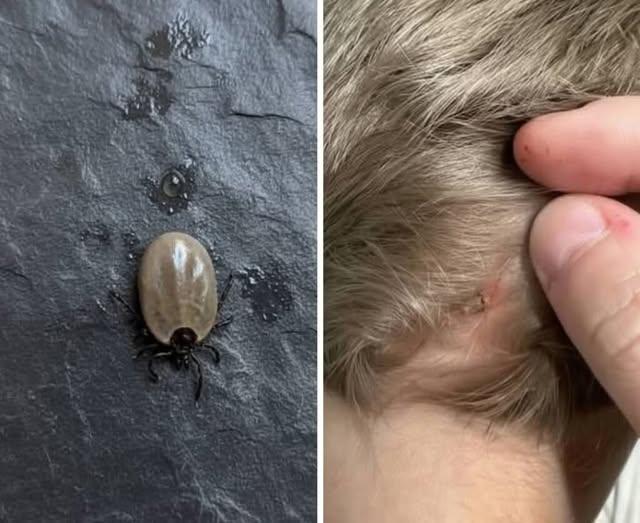
At first glance, a tick might look like a tiny speck or an ordinary bump on the skin—but these small parasites can pose real health concerns if not handled properly. Understanding how ticks behave, where they live, and how to remove them safely is essential for protecting yourself, your family, and even your pets.
What Is a Tick?
Ticks are not insects—they are arachnids, closely related to spiders and mites. This means they have eight legs and survive by feeding on the blood of animals and humans.
Once a tick finds a host, it attaches itself to the skin using specialized mouthparts. It can remain there for hours or even days, slowly feeding. As it feeds, its body swells, sometimes becoming several times its original size.
Where Ticks Are Commonly Found
Ticks thrive in outdoor environments where they can easily latch onto passing hosts. These include:
- Forests and wooded areas
- Tall grass and thick vegetation
- Parks and hiking trails
- Gardens with dense ground cover
- Areas with wildlife activity
Ticks don’t jump or fly. Instead, they use a method called “questing,” where they wait on grass or leaves with their legs extended. When a person or animal brushes past, they quickly attach.
Why Ticks Attach to Humans
Ticks depend on blood for survival. After attaching, they release substances that help them stay in place and reduce the chance of being noticed.
They often choose hidden, warm areas of the body, such as:
- Scalp and hairline
- Behind the ears
- Underarms
- Waist area
- Behind the knees
- Between the legs
Because their bites are usually painless, many people don’t realize they’ve been bitten right away.
Why Tick Bites Matter
Most tick bites are harmless, but some ticks can transmit diseases. One of the most well-known is Lyme disease, which can develop if an infected tick remains attached long enough.
Other possible illnesses include:
- Rocky Mountain spotted fever
- Babesiosis
- Anaplasmosis
Not every tick carries disease, but early detection is key to reducing risk.
How to Recognize a Tick Bite
A tick bite may go unnoticed at first. However, signs can include:
- A small dark spot or bump on the skin
- Mild redness
- Slight itching or irritation
- A visible tick attached to the skin
After feeding, ticks become larger and easier to spot.
How to Safely Remove a Tick
If you find a tick attached to your skin, remove it carefully:
- Use fine-tipped tweezers
- Grasp the tick as close to the skin as possible
- Pull upward slowly and steadily
- Avoid twisting or crushing it
- Clean the area with soap and water or antiseptic
Do not use methods like burning the tick or applying substances like petroleum jelly—these can make the situation worse.
What to Do After Removal
After removing a tick, monitor the area for several days or weeks. Mild irritation is normal, but watch for symptoms such as:
- Fever
- Fatigue
- Muscle or joint pain
- Unusual rash (especially circular or expanding)
If symptoms appear, consult a healthcare professional.
How to Prevent Tick Bites
Prevention is the best protection. Simple steps include:
- Wearing long sleeves and pants outdoors
- Tucking pants into socks in tall grass
- Using tick-repellent products
- Staying on clear paths and trails
- Showering after outdoor activities
A full-body check after being outside is one of the most effective ways to catch ticks early.
Protecting Children and Pets
Children and pets are especially at risk because they spend more time playing outdoors.
- Check children carefully, especially scalp and neck
- Inspect pets regularly after outdoor activity
- Consider veterinarian-recommended tick prevention for animals
When Are Ticks Most Active?
Ticks are typically most active during warmer months—from spring to early autumn—but in some regions, they can be present year-round.
Changes in climate have also increased tick activity in areas where they were once less common.
Final Thoughts
Ticks may be small, but they should never be ignored. With the right knowledge and precautions, the risks they pose can be greatly reduced.
By staying aware, checking your body after outdoor activities, and acting quickly if you find a tick, you can continue to enjoy nature safely and confidently.