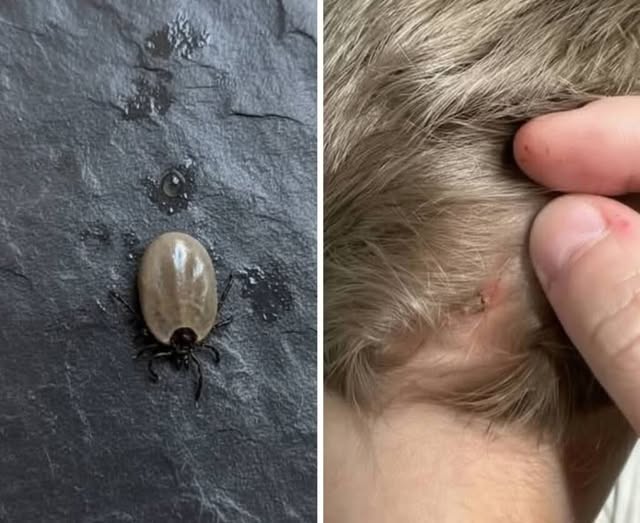
Public Health Focus Turns to Tiny but Risky Parasites
Health authorities are increasing awareness about ticks—small parasitic arachnids capable of transmitting diseases—as outdoor activity rises during warmer months. While often mistaken for harmless insects, ticks can pose serious health risks to both humans and animals if not detected and managed properly.
Experts emphasize that understanding how ticks behave, where they are found, and how to respond to bites is key to preventing complications.
What Are Ticks and Why They Matter
Ticks are not insects but arachnids, meaning they are related to spiders and mites. They survive by attaching to a host—such as humans, pets, or wildlife—and feeding on blood for extended periods.
Once attached, ticks can remain unnoticed for hours or even days. During this time, they may transmit harmful pathogens, depending on the species.
One of the most well-known illnesses linked to tick bites is Lyme disease, though experts note that not all ticks carry disease.
Where Ticks Are Commonly Found
Ticks are most active in environments where they can easily latch onto passing hosts. These include:
- Forests and wooded areas
- Tall grass and dense vegetation
- Parks and hiking trails
- Gardens with heavy ground cover
Rather than jumping or flying, ticks use a method called “questing,” where they wait on vegetation and attach when a person or animal brushes past.
How Tick Bites Occur
Ticks typically attach to warm, hidden areas of the body, making them difficult to detect. Common locations include:
- Scalp and hairline
- Behind the ears
- Under the arms
- Around the waist
- Behind the knees
Their saliva contains compounds that reduce pain and irritation, which is why many people do not notice a bite immediately.
Recognizing a Tick Bite
In many cases, the tick itself is the first visible sign. Other symptoms may include:
- A small dark bump on the skin
- Mild redness or irritation
- Slight itching
If the tick remains attached long enough, it may become swollen with blood, making it more noticeable.
Potential Health Risks
While many tick bites are harmless, some can lead to illness. In addition to Lyme disease, other conditions associated with ticks include:
- Rocky Mountain spotted fever
- Babesiosis
- Anaplasmosis
Health professionals note that the risk of transmission increases the longer a tick remains attached.
Safe Removal Is Critical
Medical guidance recommends removing ticks promptly using fine-tipped tweezers:
- Grasp the tick close to the skin
- Pull upward steadily without twisting
- Clean the area with soap and water
Experts warn against using home remedies such as burning or applying chemicals, as these methods may increase the risk of infection.
Prevention Measures
Authorities stress that prevention is the most effective strategy. Recommended precautions include:
- Wearing long sleeves and pants in high-risk areas
- Using insect repellents designed for ticks
- Staying on clear paths when outdoors
- Showering after outdoor activities
- Performing full-body checks after exposure
Parents are also advised to check children carefully, especially around the scalp and neck, while pet owners should routinely inspect animals and consider preventive treatments.
Seasonal Trends and Climate Impact
Ticks are typically most active from spring through early autumn. However, experts warn that changing climate conditions are expanding tick populations into new regions, increasing exposure risks.
Public Health Message
Health officials emphasize that awareness—not alarm—is the goal. Most tick bites do not result in serious illness, but early detection and proper response significantly reduce risks.
“Simple habits like checking your skin after time outdoors can make a major difference,” one expert noted.
Conclusion
As outdoor activities increase, authorities are urging the public to stay informed and vigilant. Though small, ticks can have a significant impact on health if ignored.
With proper precautions, early detection, and safe removal practices, individuals can continue to enjoy nature while minimizing the risks associated with tick bites.