April 9, 2026
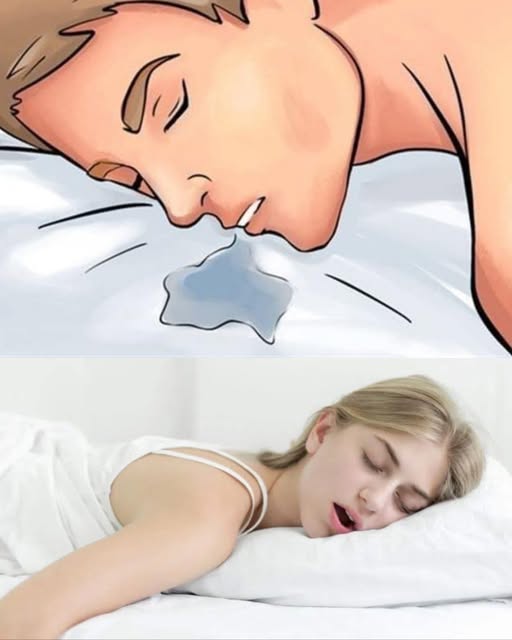
Drooling during sleep is more common than many people realize—and in most cases, it’s completely harmless. Often linked to deep sleep, relaxed facial muscles, or simple sleeping positions, nighttime drooling is usually nothing to worry about. However, experts say that in some cases, it may point to underlying health or lifestyle factors worth paying attention to.
A Normal Part of Sleep
During deeper stages of sleep, the body naturally relaxes—including the muscles that control the jaw and mouth. This makes it easier for saliva to escape, especially for people who sleep on their side or stomach.
While occasional drooling is considered normal, frequent or sudden changes may require closer attention.
Sleep Position Plays a Key Role
One of the most common causes of drooling is simply how you sleep.
- Side or stomach sleeping: Allows saliva to pool and leak more easily
- Back sleeping: Helps keep saliva in the mouth due to gravity
In many cases, adjusting sleep position can significantly reduce drooling.
Nasal Congestion and Breathing Issues
Blocked nasal passages are a major contributor. Conditions such as allergies, colds, or sinus infections can force the body to rely on mouth breathing during sleep.
This often leads to:
- Increased drooling
- Snoring
- Dry mouth upon waking
Structural issues like a deviated septum can also play a role.
Digestive Triggers Like Acid Reflux
Conditions like Gastroesophageal reflux disease (GERD) may increase saliva production at night. This happens because the body tries to neutralize stomach acid that rises into the throat.
Common signs include:
- Heartburn when lying down
- Sour taste in the mouth
- Nighttime coughing
Simple lifestyle changes—like avoiding late meals or elevating your head—can help manage symptoms.
Oral Health Matters
Dental issues can also contribute to excessive saliva production. Problems such as gum inflammation, infections, or throat irritation may trigger the body to produce more saliva.
Maintaining good oral hygiene and addressing dental concerns early can help reduce nighttime drooling.
When It Might Signal Something More
Although drooling is usually harmless, certain signs should not be ignored:
- Sudden or persistent drooling
- Drooling more on one side of the mouth
- Difficulty swallowing or speaking
- Facial weakness or numbness
In some cases, this may be linked to conditions like Sleep apnea or neurological issues, and medical evaluation is recommended.
Lifestyle Factors That Can Contribute
Everyday habits can also influence drooling, including:
- Alcohol consumption
- Sedative medications
- Extreme fatigue
- Spicy or acidic foods
These factors can relax muscles or increase saliva production during sleep.
Simple Ways to Reduce Drooling
If drooling is bothersome, small adjustments can help:
- Sleep on your back
- Elevate your head with an extra pillow
- Treat nasal congestion (sprays, strips, antihistamines)
- Maintain consistent oral hygiene
- Avoid heavy or late-night meals
The Bottom Line
For most people, drooling during sleep is a normal part of how the body functions. It often reflects deep relaxation, sleep position, or temporary conditions like congestion or reflux.
However, paying attention to patterns and accompanying symptoms is key. If drooling becomes persistent or unusual, consulting a healthcare professional can help rule out underlying issues.
In the end, a few simple changes can go a long way in improving both sleep quality and comfort—ensuring that this common occurrence stays just a minor inconvenience.