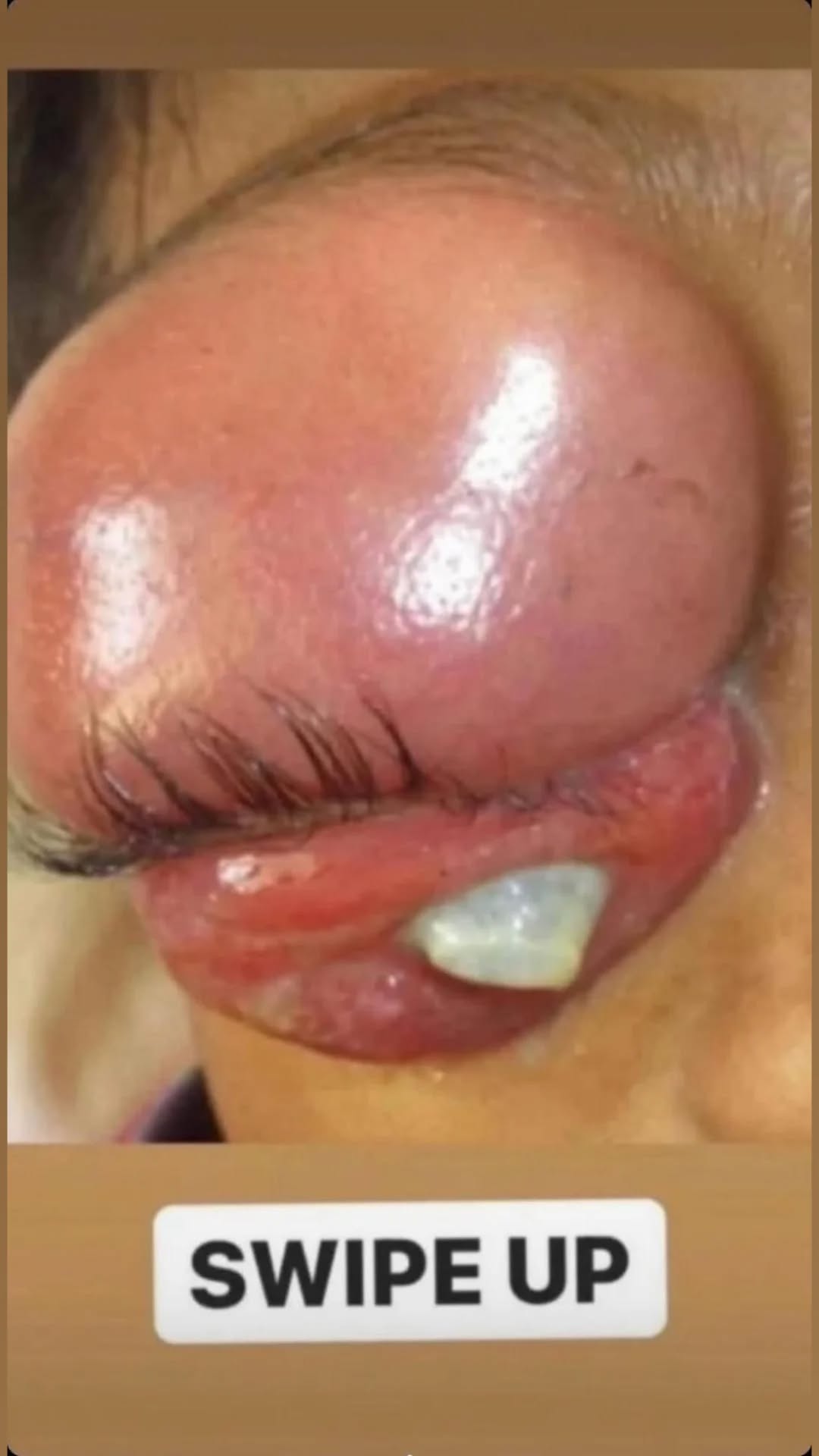
Swelling around the eye can be alarming, especially when it appears suddenly, becomes pronounced, or interferes with vision. The eye area is particularly sensitive, and even minor irritation can result in noticeable inflammation. In some cases, eyelid swelling can progress to an extreme level, causing the eyelid to appear enlarged, tense, shiny, or discolored.
This article explores severe eyelid swelling, its possible causes, associated symptoms, treatment approaches, and preventive measures. The goal is to provide clear, educational information while emphasizing the importance of professional medical evaluation for accurate diagnosis and care.
Disclaimer: This content is for informational purposes only and does not replace professional medical advice, diagnosis, or treatment.
The eyelids contain thin skin, loose connective tissue, and a rich blood supply, which makes them especially prone to swelling. Even small changes—such as fluid retention, inflammation, or infection—can cause the eyelid to expand dramatically compared to other areas of the body.
Key factors contributing to eyelid swelling include:
- Increased blood flow due to inflammation
- Fluid accumulation beneath the skin
- Allergic responses
- Infection or irritation
- Trauma or injury
Because the eyelids protect the eye itself, the body often responds aggressively to perceived threats in this area.
Common Causes of Severe Eyelid Swelling
Severe eyelid swelling can occur for many reasons. While some causes are mild and temporary, others may require urgent medical attention.
1. Inflammatory Conditions
Inflammation is one of the most common contributors to eyelid swelling. This can result from:
- Blocked oil glands
- Skin irritation
- Chronic eyelid conditions
Inflammatory swelling often appears red, warm, and tender, and may worsen over time without proper care.
2. Infections
Bacterial or viral infections can cause significant swelling of the eyelid. In such cases, the swelling may be accompanied by:
- Pain or soreness
- Redness extending beyond the eyelid
- Discharge
- Fever or general discomfort
Infections near the eye should always be taken seriously due to the proximity to vital structures.
3. Allergic Reactions
Allergies can trigger rapid and dramatic swelling. Common triggers include:
- Cosmetics
- Skincare products
- Pollen or dust
- Insect bites
Allergic swelling is often soft, itchy, and sudden, and may affect both eyes simultaneously.
4. Trauma or Physical Injury
Direct impact, scratching, or pressure to the eye area can lead to swelling. Even minor trauma may appear severe due to fluid accumulation.
Signs of injury-related swelling may include:
- Bruising or discoloration
- Localized tenderness
- Gradual improvement over several days
5. Fluid Retention and Systemic Factors
In some cases, eyelid swelling may be linked to broader systemic issues such as:
- Hormonal changes
- Sleep deprivation
- High salt intake
- Certain medications
This type of swelling is often more noticeable in the morning and improves throughout the day.
Visual Characteristics of Severe Eyelid Swelling
When eyelid swelling becomes pronounced, it may exhibit the following features:
- Significant enlargement of the upper or lower eyelid
- Tight, shiny skin due to stretching
- Red or pink coloration
- Difficulty opening the eye
- Changes in eyelid contour
These visual changes can be distressing and may temporarily affect vision.
Symptoms That May Accompany Swelling
Severe eyelid swelling is often associated with additional symptoms, including:
- Pain or pressure
- Itching or burning sensations
- Watery eyes
- Sensitivity to light
- Blurred vision
The presence and severity of these symptoms can provide clues about the underlying cause.
When Eyelid Swelling Becomes a Medical Concern
While mild eyelid swelling often resolves on its own, certain signs indicate the need for prompt medical evaluation.
Seek professional care if swelling is accompanied by:
- Severe pain
- Fever
- Vision changes
- Difficulty moving the eye
- Rapid worsening
- Swelling spreading to the face or forehead
Early intervention can help prevent complications and ensure proper treatment.
Diagnosis and Medical Evaluation
Healthcare professionals may use several approaches to evaluate eyelid swelling, including:
- Visual examination
- Medical history review
- Assessment of symptoms
- Imaging or laboratory tests (if necessary)
Diagnosis focuses on identifying the underlying cause rather than treating swelling alone.
General Treatment Approaches
Treatment varies depending on the cause and severity of swelling. Common approaches may include:
Supportive Care
- Resting the eyes
- Applying cool compresses
- Avoiding eye makeup or contact lenses
Medical Treatments
- Prescription or over-the-counter medications
- Topical treatments
- Targeted therapies based on diagnosis
Only a qualified healthcare provider can determine the appropriate treatment plan.
Home Care and Lifestyle Measures
In mild cases, simple lifestyle adjustments may help reduce eyelid swelling:
- Maintaining good hygiene
- Washing hands before touching the eyes
- Getting adequate sleep
- Reducing salt intake
- Managing allergies
These measures may help prevent recurrence and promote eye health.
The Emotional Impact of Visible Eye Conditions
Visible swelling around the eye can affect confidence and emotional well-being. Individuals may feel:
- Self-conscious in social situations
- Concerned about appearance
- Anxious about potential causes
It’s important to recognize that many eye conditions are temporary and treatable with appropriate care.
Preventive Strategies for Eye Health
Protecting eye health can reduce the risk of future swelling episodes:
- Avoid rubbing the eyes
- Remove makeup thoroughly
- Replace eye cosmetics regularly
- Use protective eyewear when needed
- Manage underlying health conditions
Preventive care plays a crucial role in maintaining comfort and visual function.
Frequently Asked Questions
Is eyelid swelling always serious?
No. Many cases are mild and resolve on their own. However, severe or persistent swelling should be evaluated.
Can stress cause eyelid swelling?
Stress may contribute indirectly through sleep disruption or inflammation.
How long does swelling usually last?
Duration depends on the cause. Mild swelling may improve within days, while other cases require treatment.
Final Thoughts
Severe eyelid swelling can look dramatic and concerning, but it is often manageable when addressed appropriately. Understanding possible causes, recognizing warning signs, and seeking professional care when necessary are key steps toward recovery.
By prioritizing eye health and responding promptly to changes, individuals can reduce discomfort and protect their vision.
Important Reminder
This article is informational only and does not provide medical diagnosis or treatment. Always consult a qualified healthcare professional for personalized medical advice.