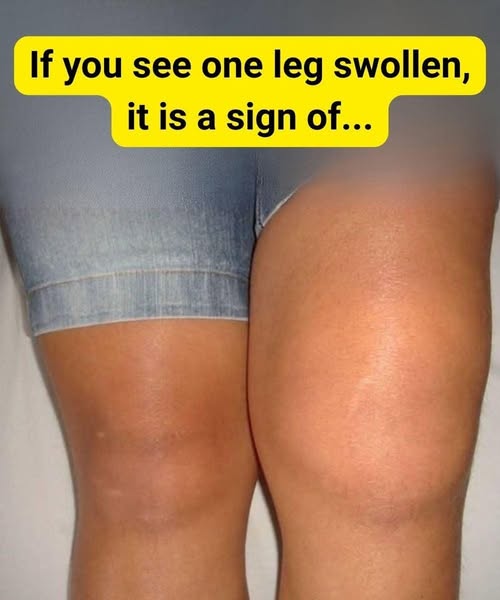
Noticing that one leg is swollen can feel alarming, and for good reason. Swelling in a single leg often signals a localized issue rather than a systemic problem affecting the whole body. Understanding the potential causes can help you respond appropriately and seek timely medical attention if needed.
Mental health resources
Common Causes of Swelling in One Leg
1. Injury or Trauma
Physical injuries are among the most frequent reasons a single leg swells. Sprains, fractures, muscle tears, or severe bruises can cause inflammation and fluid accumulation in the affected area. Even minor injuries, if left untreated, may lead to prolonged swelling as the body responds to tissue damage. Additionally, swelling may worsen after activities that place pressure on the leg, such as standing for long periods or engaging in intense exercise.
2. Prolonged Immobility
Spending extended periods sitting or standing in one position can also lead to localized swelling. Reduced blood circulation causes fluids to pool in the lower extremities, particularly in the affected leg. This type of swelling is usually temporary and resolves with movement, leg elevation, or gentle massage.
3. Infection
Infections in the leg, such as cellulitis, can trigger swelling accompanied by redness, warmth, tenderness, and sometimes fever. Cellulitis often develops when bacteria enter through minor cuts, scrapes, insect bites, or other skin disruptions. Early treatment with antibiotics is critical, as untreated infections can spread and result in serious complications.
4. Blood Clots – Deep Vein Thrombosis (DVT)
A more serious concern linked to swelling in one leg is deep vein thrombosis (DVT). This condition occurs when a blood clot forms in the deep veins, most commonly in the lower leg or thigh. Symptoms may include swelling, pain, warmth, redness, or a sensation of tightness in the leg. DVT is a medical emergency because if a clot breaks free, it can travel to the lungs and cause a pulmonary embolism, which can be life-threatening. Prompt medical evaluation is essential if DVT is suspected.
5. Circulatory Problems
Some instances of one-sided leg swelling are related to chronic circulation issues. Venous insufficiency occurs when the veins struggle to return blood efficiently to the heart, leading to fluid accumulation in the lower leg. Lymphedema, another circulatory condition, involves the buildup of lymph fluid due to a blockage in the lymphatic system. Both conditions require medical management to prevent worsening symptoms and complications.
When to Seek Immediate Medical Attention
While mild swelling can sometimes be managed at home, certain signs indicate a more urgent issue:
- Sudden or rapidly increasing swelling in one leg
- Pain or tenderness in the swollen area
- Redness or warmth over the affected region
- Shortness of breath or chest pain, which could suggest a clot has traveled to the lungs
- Fever or signs of infection
If any of these symptoms are present, it’s important to contact a healthcare professional immediately. Early intervention can prevent serious complications, especially in cases of DVT or severe infection.
Preventing and Managing One-Leg Swelling
1. Movement and Exercise
Regular movement improves circulation and helps prevent fluid from pooling in the legs. Simple exercises, such as walking, stretching, and ankle rotations, can make a significant difference, especially if you have a sedentary lifestyle.
2. Elevation
Raising the affected leg above heart level encourages fluid drainage and reduces swelling. Elevation can be particularly effective after prolonged periods of standing or sitting.
Discover more
Furniture
Coffee
Self-help audiobooks
3. Compression
Wearing compression stockings can help manage chronic swelling caused by circulation or lymphatic issues. These garments apply gentle pressure, supporting proper blood and fluid flow in the leg.
4. Hydration and Diet
Adequate hydration and a balanced diet low in sodium can reduce fluid retention. Excess salt in the diet encourages the body to hold onto water, which may worsen swelling in susceptible individuals.
5. Skin Care
Taking care of the skin on your legs is important to prevent infections like cellulitis. Keep the skin clean and moisturized, and address cuts or abrasions promptly.
6. Medical Monitoring
For individuals with underlying conditions such as heart disease, kidney issues, or chronic venous insufficiency, regular monitoring by a healthcare provider is crucial. Early detection of fluid buildup or circulatory changes can prevent more severe problems.
Related Conditions to Consider
Swelling in one leg can sometimes be confused with generalized swelling in both legs, which may indicate heart, kidney, or liver issues. Accurate identification of whether the swelling is unilateral (one leg) or bilateral (both legs) can guide the diagnosis and treatment. Additionally, other conditions such as arthritis, varicose veins, or post-surgical swelling may mimic the symptoms of DVT or infection, highlighting the importance of professional evaluation.
Final Thoughts
While one leg swelling might sometimes result from minor causes like temporary fluid retention or a minor injury, it should never be ignored. Understanding the potential causes—from trauma and infections to blood clots and circulatory issues—can empower you to take proactive measures. Paying attention to associated symptoms and seeking timely medical advice when necessary can prevent serious complications and preserve overall health.
Health
Swelling is your body’s way of signaling that something may be off. By listening carefully and acting early, you can protect yourself from potentially life-threatening situations and maintain long-term leg and vascular health. Remember, even if the swelling seems minor, awareness and prevention are key to staying safe and healthy.
Understanding Swollen Legs: Beyond the Surface
Swelling in one leg may initially seem like a minor inconvenience, but it often signals that something more significant is happening beneath the surface. The human body uses swelling—also called edema—as a warning system. Recognizing the early signs can help prevent serious health complications.
How Blood Circulation Impacts Leg Swelling
The circulatory system plays a crucial role in maintaining fluid balance throughout the body. Veins carry blood from the extremities back to the heart, while arteries deliver oxygenated blood to tissues. When circulation is impaired, fluid can accumulate in the legs, causing visible swelling.
Venous insufficiency is a common circulatory problem. In this condition, the valves in the veins that prevent backflow of blood become weak or damaged. As a result, blood pools in the lower leg, leading to swelling, discomfort, and in some cases, skin changes or ulcers.
Discover more
Fame and wellness
Life coaching programs
Biography books
Another circulatory-related cause is lymphedema. Unlike venous insufficiency, lymphedema occurs when the lymphatic system—responsible for draining excess fluid and waste—fails to function properly. This condition often presents as persistent swelling in one leg, sometimes accompanied by heaviness or tightness.
Both conditions highlight the importance of monitoring one-sided leg swelling, particularly if it persists or worsens over time.
Infections and Their Role in Leg Swelling
Infections such as cellulitis can trigger rapid swelling in one leg. Cellulitis is a bacterial infection of the skin and underlying tissues, often starting from small cuts, scratches, or insect bites. It usually presents with redness, warmth, pain, and sometimes fever.
Early treatment is essential. If left untreated, cellulitis can spread to the bloodstream, causing sepsis—a life-threatening condition. Antibiotics are the mainstay of treatment, and in severe cases, hospitalization may be required. Prompt recognition of infection-related swelling can make a significant difference in outcomes.
Deep Vein Thrombosis (DVT): A Serious Concern
Perhaps the most serious cause of one-leg swelling is deep vein thrombosis. DVT occurs when a blood clot forms in a deep vein, often in the calf or thigh. Symptoms include swelling, tenderness, warmth, and sometimes discoloration.
The danger of DVT lies in its potential to become a pulmonary embolism. If a clot breaks free, it can travel to the lungs and block blood flow, which can be fatal. Risk factors include prolonged immobility, recent surgery, obesity, smoking, and certain genetic predispositions.
Discover more
News subscription packages
WordPress theme customization
Healthy meal delivery
Medical evaluation for suspected DVT often involves imaging studies such as an ultrasound or D-dimer blood test. Immediate medical attention is essential, as early anticoagulant therapy can prevent complications.
Trauma and Injury
Physical injuries, including fractures, sprains, and muscle tears, often cause localized swelling in the affected leg. Swelling occurs as part of the body’s inflammatory response, which increases blood flow to damaged tissues and allows healing factors to arrive at the injury site.
Even minor injuries, such as a sprained ankle or muscle strain, can result in noticeable swelling. Applying ice, elevating the leg, and using compression can reduce fluid buildup. However, severe injuries or those accompanied by intense pain should always be evaluated by a medical professional.
Lifestyle Factors That Contribute to Swelling
Several lifestyle factors can exacerbate leg swelling. Sitting or standing for long periods, wearing tight clothing, or consuming a diet high in sodium can all lead to fluid retention. Additionally, obesity and a sedentary lifestyle place extra strain on the veins, increasing the likelihood of chronic swelling.
Smoking and alcohol consumption can also impact circulation. Nicotine damages blood vessels, while alcohol can cause fluid retention. Addressing these lifestyle factors can help reduce swelling and improve overall vascular health.
Health
When Swelling Signals a Heart Problem
While swelling in both legs is more commonly associated with heart failure, swelling in one leg can sometimes indicate cardiac issues, especially if accompanied by other symptoms. Congestive heart failure can cause fluid buildup in the extremities due to the heart’s reduced ability to pump blood effectively.
Other cardiac-related warning signs include:
- Shortness of breath, particularly when lying down
- Fatigue and low energy
- Rapid or irregular heartbeat
Monitoring these signs in conjunction with swelling can provide early clues to potential heart-related complications.
Diagnostic Approaches for Leg Swelling
Doctors use a combination of physical examination, medical history, and diagnostic tests to determine the cause of leg swelling. Common assessments include:
- Ultrasound: To detect blood clots in deep veins
- Blood tests: Including D-dimer tests to rule out clot formation
- X-rays or MRI: To identify fractures, muscle tears, or soft tissue damage
- Lymphoscintigraphy: To evaluate lymphatic system function in suspected lymphedema
Early diagnosis allows for targeted treatment, whether it involves medication, lifestyle adjustments, or surgical intervention.
Preventing One-Leg Swelling
Preventive measures are key to reducing the risk of swelling and its complications:
- Exercise Regularly
Engaging in regular physical activity enhances circulation, strengthens muscles, and supports vein function. Simple routines like walking, swimming, or cycling can make a significant difference. - Elevate Your Legs
Raising the affected leg above heart level encourages fluid drainage and reduces swelling. Elevation is especially useful after prolonged periods of standing or sitting. - Wear Compression Garments
Compression socks or stockings help maintain proper blood flow and prevent fluid accumulation. They are particularly useful for those with chronic venous insufficiency or at risk of DVT. - Maintain a Balanced Diet
Limiting sodium intake and staying well-hydrated can help manage fluid retention. Foods rich in potassium, such as bananas and leafy greens, also support vascular health.Food - Avoid Prolonged Immobility
When traveling or sitting for extended periods, take breaks to stretch and move around. Even gentle leg exercises can prevent fluid buildup and reduce the risk of clot formation. - Monitor Skin Health
Protect your legs from cuts, scrapes, and insect bites. Prompt treatment of minor injuries reduces the risk of infection-related swelling. - Regular Medical Checkups
Routine checkups allow for early detection of circulatory, cardiac, and lymphatic issues. Discuss any swelling with your healthcare provider to determine whether further investigation is necessary.Health
Understanding the Link Between Swelling and Overall Health
Swelling is not always just a cosmetic issue—it can be a reflection of underlying health problems. By paying attention to changes in one leg, individuals can identify early signs of conditions that range from minor injuries to life-threatening blood clots.
Leg swelling also affects quality of life. Persistent swelling can lead to discomfort, reduced mobility, and an increased risk of complications like skin ulcers or infections. Taking proactive steps to manage swelling supports both immediate comfort and long-term health.
Summary
One-leg swelling is a symptom that should never be ignored. Whether caused by trauma, infection, circulatory problems, or blood clots, it serves as a vital signal from the body. Recognizing early warning signs, seeking timely medical evaluation, and adopting preventive measures can help minimize risks and support overall wellness.
Mental health resources
By combining lifestyle modifications, careful monitoring, and professional guidance, individuals can effectively manage swelling and protect their vascular and overall health. Swelling may be a small symptom, but addressing it early can have life-saving consequences.