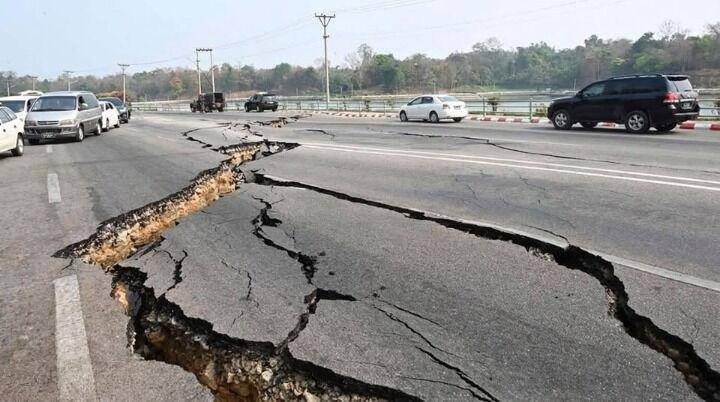
Early reports confirm that a powerful earthquake with a magnitude of 6.5 struck Mexico on Friday, January 2, causing loss of life and significant disruption across multiple regions. The tremor was centered near the town of San Marcos in the southwestern state of Guerrero. Its effects were felt widely, including in Mexico City, highlighting the country’s ongoing vulnerability to seismic activity.
According to local authorities, at least two people tragically lost their lives due to the earthquake. Emergency responders acted quickly, evacuating residents from damaged structures and assisting those in need. President Claudia Sheinbaum, who was holding a press conference in Mexico City at the time, had to pause the event and ensure the safety of everyone in the building, including staff and media personnel.
Immediate Human Impact
The first reported fatality was a 60-year-old man who collapsed during evacuation from his apartment following the tremor. Emergency medical teams responded immediately, but the individual could not be revived. Another tragic death involved a 50-year-old woman living closer to the earthquake’s epicenter, who was caught under the rubble of her home. Local hospitals, including the main facility in Chilpancingo—the capital of Guerrero—suffered structural damage. Patients were evacuated to ensure their safety.
In addition to the loss of life, numerous residents reported injuries ranging from minor cuts and bruises to more serious trauma caused by falling debris. Authorities also documented damage to infrastructure, including roads, bridges, and residential buildings, which required prompt assessment and repair to maintain community safety.
The Earthquake in Mexico City
Mexico City, located approximately 400 kilometers from San Marcos, experienced noticeable tremors, alarming residents and officials alike. The city’s unique geological characteristics, built on soft soil from a dried-up lake bed, often amplify seismic activity, making it particularly susceptible to earthquake damage. Despite the distance from the epicenter, the shaking prompted immediate evacuation procedures in government offices, schools, and hospitals.
President Sheinbaum and her staff were safely evacuated from the presidential palace. After verifying that the building was structurally sound, the press conference resumed, but the event underscored the need for constant vigilance and preparedness in the capital.
Why Mexico Experiences Frequent Earthquakes
Mexico is located along the Pacific Ring of Fire, a zone of high tectonic activity where multiple plates converge. This geographic feature contributes to both frequent earthquakes and volcanic activity. The movement of the Cocos Plate, the North American Plate, and other nearby tectonic plates creates a landscape of ongoing seismic risk.
Experts explain that areas like Guerrero, Oaxaca, and Chiapas are particularly prone to earthquakes due to the complex interactions of these plates. Mexico City, although farther from the epicenters of most major quakes, is highly sensitive to tremors because of its location on sedimentary soil. Historical data confirms that the city experiences amplified shaking even when distant quakes occur.
Historical Context
Mexico has a long and challenging history with earthquakes. One of the most devastating events occurred on September 19, 1985, when a magnitude 8.1 earthquake struck the country. The destruction in Mexico City was catastrophic, with more than 10,000 people losing their lives. This event profoundly influenced earthquake preparedness, building regulations, and disaster response policies in the decades that followed.
Thirty-two years later, on the same date in 2017, another significant earthquake struck, causing over 300 fatalities and widespread damage. These historical events illustrate the ongoing seismic threat in Mexico and the importance of continuous readiness, infrastructure improvement, and community education.
Government and Emergency Response
Following the January 2 earthquake, Mexican authorities activated emergency protocols at both state and national levels. Teams of first responders, including firefighters, police, and medical personnel, quickly assessed the most affected areas. Temporary shelters were established for residents displaced by building damage, providing food, water, and medical assistance.
President Sheinbaum emphasized the importance of solidarity during her statements after the initial shock. She highlighted ongoing efforts to restore damaged infrastructure, support affected families, and improve early warning systems to minimize future risks.
Public Safety and Earthquake Preparedness
The January earthquake serves as a reminder of the importance of preparedness for communities in seismic regions. Safety measures recommended by experts include:
- Maintaining an emergency kit: Stocked with essentials such as water, food, medications, flashlights, and first aid supplies.
- Securing furniture and household items: To reduce injury risks during tremors.
- Establishing evacuation plans: Knowing the safest routes and assembly points.
- Participating in drills: Regular earthquake simulations help families and organizations respond calmly during an actual event.
Communities are encouraged to stay informed about seismic activity and local government guidelines to ensure quick and coordinated responses.
International Perspective
Earthquakes in Mexico are closely monitored by global organizations due to the country’s location on the Pacific Ring of Fire. Scientists study seismic activity to improve early warning systems, construction standards, and disaster response strategies. Lessons learned from Mexico’s historical earthquakes inform global best practices in earthquake preparedness and public safety.
Moving Forward
As the country recovers from this recent event, authorities and residents alike face the ongoing challenge of mitigating risks associated with earthquakes. While tremors of this magnitude are relatively rare, the incident underscores the need for:
- Enhanced building codes and retrofitting older structures
- Community education programs for earthquake safety
- Investment in early warning systems and real-time monitoring
- Ongoing research into seismic activity and risk reduction
The resilience demonstrated by affected communities reflects the broader spirit of preparation and solidarity that has become part of Mexico’s approach to natural disasters.
Conclusion
The January 2, 2026 earthquake reminds us that even routine life can be interrupted by natural events beyond human control. Mexico’s location along the Pacific Ring of Fire means earthquakes are a recurring challenge, but through preparedness, rapid response, and community support, the impact can be mitigated.
Authorities continue to monitor affected areas, assist residents, and restore infrastructure, while citizens remain vigilant and prepared for future events. The earthquake also reinforces the importance of continuous public awareness, government planning, and resilient infrastructure to protect lives and communities.
Personal Stories and Community Impact
While official reports documented the loss of two lives and structural damage, countless residents experienced moments of fear and uncertainty during the earthquake. Families in Guerrero recounted the sudden shaking that sent furniture sliding across floors, dishes crashing from shelves, and children clinging to parents in panic. Many described how seconds felt like minutes as the tremors passed, leaving homes damaged and hearts racing.
In Mexico City, residents reported similar experiences. People evacuated high-rise buildings, taking staircases carefully as elevators were temporarily shut down for safety reasons. Although no fatalities were reported in the capital, the psychological impact of feeling a strong earthquake hundreds of kilometers from its epicenter highlighted the unique challenges of living in a city built on soft, sediment-heavy soil.
Local authorities praised the calm and cooperative behavior of residents, emphasizing that prior preparedness drills and public education campaigns had likely prevented a greater loss of life. Community members assisted each other in securing homes, checking on neighbors, and helping the elderly and vulnerable reach safe locations.
Infrastructure Damage and Response
The earthquake caused visible damage to buildings and infrastructure in multiple regions. Roads developed cracks, walls in older structures showed signs of stress, and a hospital in Chilpancingo required evacuation due to structural concerns. Emergency teams inspected schools, offices, and public buildings to assess safety before reopening them for daily use.
Utility companies worked to restore disrupted services, including electricity and water, while ensuring gas lines remained secure to prevent further hazards. Temporary shelters were established for displaced residents, providing basic necessities such as food, clean water, blankets, and medical assistance.
Experts noted that the rapid response of first responders, combined with early evacuation procedures, helped mitigate the earthquake’s overall impact. The coordinated effort between federal, state, and local authorities ensured residents received immediate aid, demonstrating the importance of disaster readiness programs.
Scientific Perspective
Geologists emphasized that Mexico’s frequent seismic activity is a natural consequence of its position along the Pacific Ring of Fire. Tectonic plates, including the Cocos Plate and North American Plate, continuously shift, creating pressure that occasionally releases as earthquakes.
Scientists highlight that tremors in areas like Guerrero are more common due to the subduction of the Cocos Plate beneath the North American Plate. While earthquakes of magnitude 6.5 are considered strong, proper construction, awareness, and adherence to safety guidelines significantly reduce potential harm to residents.
In Mexico City, experts noted that soil composition can amplify shaking, a phenomenon observed in past events, including the devastating 1985 earthquake. Buildings constructed on solid ground typically experience less severe effects, illustrating the critical role of urban planning and retrofitting in earthquake-prone regions.
Lessons for Residents
The January 2 earthquake reinforces several key lessons for individuals and communities living in seismic zones:
- Preparedness saves lives: Having emergency kits, evacuation plans, and knowledge of safe spaces in homes or workplaces is essential.
- Community cooperation matters: Helping neighbors, sharing resources, and staying informed improves overall safety.
- Infrastructure awareness is crucial: Regular building inspections, retrofitting older structures, and maintaining utilities minimize risks.
- Stay informed: Paying attention to seismic alerts and following official instructions can prevent panic and ensure a coordinated response.
Looking Ahead
In the aftermath, authorities continue to monitor the affected regions and provide ongoing support to those displaced or impacted by the tremors. While the immediate danger has passed, experts stress that vigilance remains critical, as Mexico will continue to face seismic events due to its geographical location.
By learning from each earthquake, investing in infrastructure, and maintaining public awareness programs, communities can better withstand future events. The January 2 earthquake serves as both a reminder of nature’s unpredictability and a testament to human resilience in facing natural disasters.