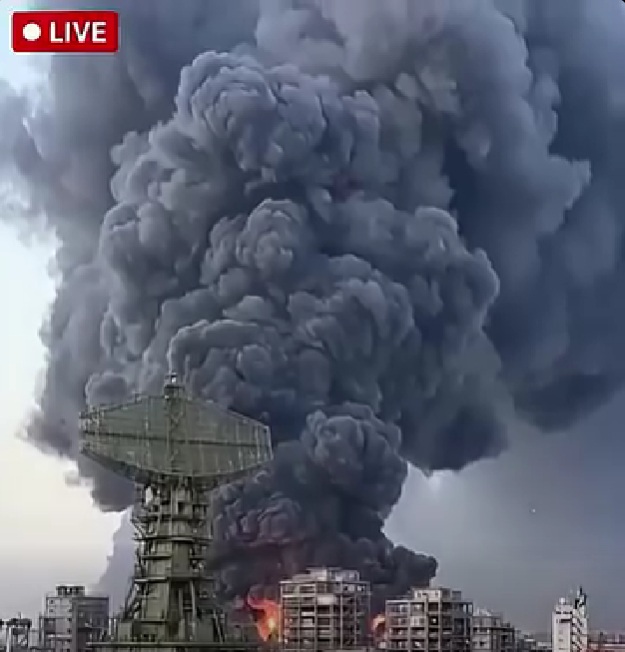
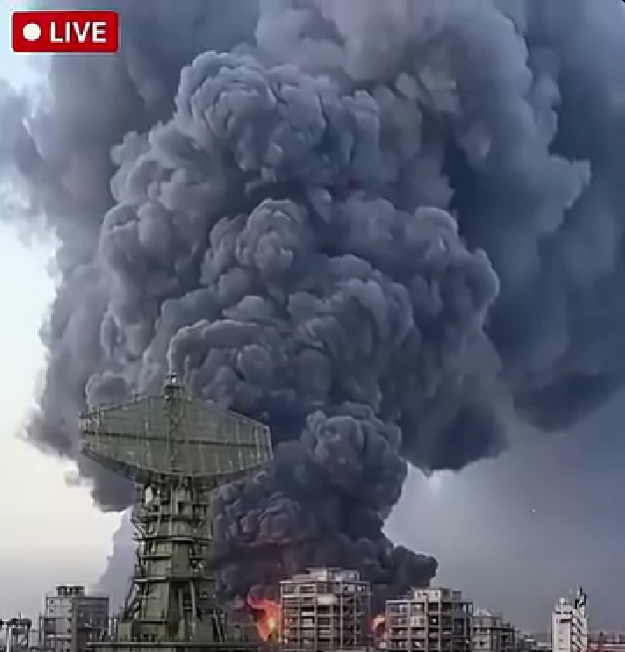
Iran Hits U.S. Host Sites in the Gulf; Defenses and Hormuz Stay on Alert.
In a dramatic international development, reports of four countries potentially joining forces in a coordinated military alliance have sparked widespread discussion about global security, international relations, and the growing tensions between major political powers.
The possibility of multiple nations working together on a coordinated military operation represents a significant geopolitical development, particularly at a time when international relations are already facing serious challenges. Governments around the world are closely monitoring military developments, diplomatic discussions, and strategic decisions that could influence regional and international stability.
Although the complete details surrounding the reported alliance remain unclear, the idea of four countries coordinating their military capabilities raises important questions about their objectives, the potential consequences, and how other nations might respond.
Military alliances are not unusual in international politics. Countries frequently cooperate through defense agreements, intelligence-sharing arrangements, joint exercises, and regional security partnerships. However, when cooperation involves the possibility of military action, the consequences can extend far beyond the countries directly involved.
Why Are Four Countries Considering Joining Forces?
International military cooperation is generally influenced by a combination of political, economic, and security concerns.
Countries may decide to strengthen their partnerships when they believe their national interests are threatened or when they face challenges that cannot easily be addressed independently.
Several factors can contribute to the formation of a military alliance.
First, governments may share concerns about regional security and the possibility of escalating conflicts. Cooperation allows countries to coordinate diplomatic positions and improve their ability to respond to potential threats.
Second, political disagreements between nations can encourage governments to establish stronger partnerships with countries that share similar strategic interests.
Third, economic interests may also play an important role. Trade routes, energy supplies, international shipping, and access to important resources can influence national security decisions.
Finally, military cooperation may be intended to demonstrate unity and discourage potential aggression.
However, the specific motivations behind any reported alliance must be established through reliable statements from the governments involved.
Growing International Concerns
The international community has become increasingly attentive to military developments and geopolitical competition.
In recent years, tensions between different governments have demonstrated how quickly diplomatic disagreements can develop into wider international crises.
Military exercises, defense agreements, sanctions, territorial disputes, and strategic partnerships can all influence the balance of power between countries.
The possibility of four nations coordinating their military activities could therefore attract significant attention from neighboring governments and international organizations.
One major concern is whether other countries might interpret the alliance as a threat to their own national security.
Such perceptions can contribute to increased military spending, stronger defense partnerships, and additional diplomatic tensions.
Even when governments describe their cooperation as defensive, other countries may view the same developments differently.
This difference in perception is one of the main challenges facing international security.
The Possible Military Significance of the Alliance
A partnership involving four countries could potentially bring together different military resources, technological capabilities, intelligence systems, and defense infrastructures.
Modern military cooperation is not limited to the movement of troops or the use of traditional military equipment.
It can also involve advanced surveillance systems, cybersecurity, communications technology, logistics, intelligence cooperation, and coordinated defense planning.
The combined resources of several countries may strengthen their ability to respond to security challenges.
However, military cooperation also creates responsibilities.
Governments must establish clear political objectives, respect international law, and consider the potential humanitarian consequences of any military action.
A military alliance does not automatically mean that an attack will take place. Countries frequently cooperate to prevent conflicts, protect their territories, or strengthen deterrence.
Understanding the difference between military preparation and an actual decision to use force is essential when evaluating developing international stories.
Could This Development Affect Global Politics?
If a four-country alliance were officially confirmed and involved a major military operation, its consequences could extend beyond the immediate region.
International political relationships are closely connected.
A major security development in one part of the world can influence diplomatic relations, economic markets, energy prices, international transportation, and global investment.
Governments outside the alliance might respond through diplomatic statements, emergency meetings, additional defense cooperation, or calls for negotiations.
International organizations could also become involved if the situation raised concerns about international peace and security.
The United Nations, for example, provides a diplomatic framework through which member states can discuss international conflicts and consider possible responses.
The international community generally has a strong interest in preventing military confrontations from developing into larger regional or global crises.
The Economic Consequences of Rising Military Tensions
Military tensions can have significant economic consequences even before any armed conflict begins.
Financial markets often react to uncertainty, especially when geopolitical developments threaten important trade routes or energy supplies.
Businesses may delay investment decisions, transportation companies may reconsider shipping routes, and international investors may move money toward assets they consider safer.
Energy markets can be particularly sensitive to geopolitical instability.
Countries that depend heavily on imported oil and natural gas may face increased economic uncertainty if important supply routes become vulnerable.
International trade could also be affected by new sanctions, restrictions, or disruptions to transportation networks.
For ordinary citizens, the consequences may eventually become visible through higher energy costs, increased prices for certain goods, and uncertainty in international markets.
Nevertheless, these effects are not automatic. They depend on the location, scale, duration, and nature of the geopolitical situation.
Could Other Countries Become Involved?
One of the most important questions surrounding any major military alliance is whether additional countries might become involved.
International security relationships are often interconnected through defense agreements, strategic partnerships, and diplomatic commitments.
A development involving four countries could encourage neighboring governments to reconsider their own security policies.
Some countries might support diplomatic efforts to reduce tensions, while others could strengthen their defense cooperation.
However, political support does not necessarily mean direct military participation.
Governments must consider domestic political opinion, international legal obligations, economic interests, and the potential consequences of becoming involved in a conflict.
This is why military developments should be evaluated carefully rather than interpreted as evidence that a wider war is inevitable.
The Importance of Diplomacy
Despite the growing attention surrounding military alliances, diplomacy remains one of the most important tools for preventing international conflict.
Direct communication between governments can help reduce misunderstandings, clarify political intentions, and create opportunities for negotiations.
Diplomatic discussions can also establish agreements concerning military activities, territorial disputes, and international security concerns.
Even countries with serious political disagreements may maintain diplomatic channels to prevent accidental escalation.
International mediation, negotiations, and confidence-building measures can help reduce tensions.
The history of international relations demonstrates that military strength alone cannot guarantee lasting peace.
Long-term stability requires political communication, economic cooperation, respect for international law, and a willingness to resolve disagreements through peaceful means.
What Should the International Community Watch Next?
As the situation develops, several important questions will determine its international significance.
Will the four countries officially confirm their cooperation?
Will the partnership involve a defensive agreement, joint military exercises, or an actual military operation?
Have government representatives issued official statements explaining their objectives?
Will neighboring countries respond diplomatically or strengthen their own security arrangements?
Could international organizations become involved in efforts to reduce tensions?
These questions are essential for understanding whether the reported development represents a routine security partnership or a more serious geopolitical turning point.
Reliable information from official government announcements, international organizations, and established news agencies will be particularly important.
Conclusion: A Developing Situation That Requires International Attention
The possibility of four countries joining forces in a major military alliance highlights the complexity of modern international relations and the importance of global security.
Military cooperation can serve different purposes, from protecting national interests and strengthening defensive capabilities to responding to regional security challenges.
However, any development involving the potential use of military force must be approached with caution.
The consequences of an armed confrontation can be devastating, affecting civilians, national economies, international trade, and regional stability.
For this reason, diplomatic communication and peaceful conflict resolution remain essential.
As international attention continues to focus on geopolitical developments, the most important priority should be obtaining accurate information and avoiding unnecessary speculation.
The world does not need another international crisis. It needs responsible leadership, transparent communication, and diplomatic efforts capable of preventing disagreements from turning into devastating conflicts.
The situation deserves close attention, but until the countries, objectives, and official decisions are confirmed, claims of an imminent coordinated attack should be treated as unverified.