The Modern Meat Supply Chain
Before meat reaches a grocery store, it passes through a carefully organized supply chain designed to move products efficiently while maintaining food safety.
The process generally begins at livestock farms where animals are raised according to local regulations and industry practices. After processing at inspected facilities, meat is packaged, refrigerated, transported through distribution centers, and eventually delivered to retail stores.
Large grocery chains often work with multiple suppliers to ensure consistent inventory throughout the year. Depending on seasonal demand, weather conditions, or market availability, products may come from different farms or even different countries.
This global network allows stores to keep shelves stocked, but it also means that consumers may encounter products from a variety of sources.
Why Accurate Labeling Matters
Food labels serve an important purpose. They provide information that helps consumers compare products and choose options that fit their preferences, dietary needs, and budgets.
Common information found on meat packaging includes:
- Product name
- Net weight
- Safe handling instructions
- Sell-by or use-by date
- Inspection marks
- Country-of-origin information when required
- Nutrition facts
- Storage recommendations
Accurate labeling benefits both consumers and producers by promoting transparency and helping shoppers make informed purchasing decisions.
Understanding Common Meat Labels
Many labels sound similar but describe different aspects of production.
USDA Inspected
In the United States, meat sold commercially must generally be inspected under applicable federal or state inspection programs. Inspection focuses on food safety and wholesomeness rather than grading.
USDA Grade
For beef, grading refers primarily to quality characteristics such as tenderness, marbling, and expected eating experience.
Common grades include:
- Prime
- Choice
- Select
Higher grades typically contain more marbling, which may contribute to flavor and tenderness.
Organic
Organic certification follows established production standards regarding feed, animal care, and the use of certain substances. Products labeled organic must meet certification requirements established by applicable authorities.
Grass-Fed
Grass-fed labeling generally refers to how cattle were fed during their lives. However, standards and certification programs can vary, so consumers may wish to review the specific claims on the packaging.
No Antibiotics Ever
Some producers market meat from animals raised without antibiotics. Other producers may use antibiotics only when medically necessary and follow required withdrawal periods before animals enter the food supply.
Understanding these distinctions helps consumers compare products based on their personal priorities.
Imported and Domestic Meat
Today’s food system is increasingly global. Many countries both import and export meat products depending on consumer demand, production capacity, and trade agreements.
Imported meat entering countries such as the United States is generally subject to inspection requirements designed to ensure that products meet applicable safety standards before entering commerce.
Consumers may choose domestic or imported products for various reasons, including price, availability, sustainability preferences, or familiarity with specific brands.
Neither imported nor domestic products are automatically higher or lower quality. Quality depends on numerous factors including production practices, handling, refrigeration, transportation, and storage.
Food Safety Regulations
Food safety involves cooperation among farmers, processors, transportation companies, retailers, inspectors, and public health agencies.
Regulatory systems typically focus on reducing risks associated with bacteria, contamination, improper handling, and temperature control.
Food safety programs commonly include:
- Facility inspections
- Sanitation requirements
- Hazard analysis systems
- Product testing
- Employee training
- Recordkeeping
- Recall procedures when necessary
These measures help reduce risks throughout the supply chain, although no food system can eliminate every potential hazard.
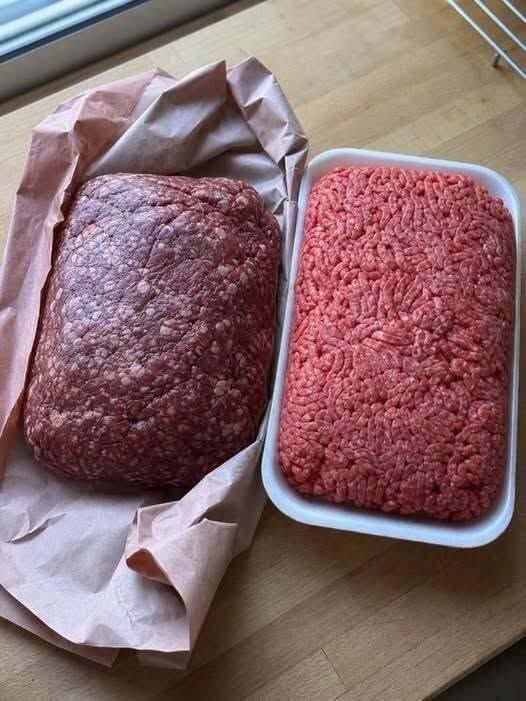
Why Meat Can Vary in Appearance
Consumers sometimes notice differences between packages of the same product.
Several factors can affect appearance without necessarily indicating poor quality.
Color
Fresh beef can appear bright red, dark red, or even slightly brown depending on oxygen exposure and packaging methods.
Texture
Differences in age, breed, diet, and processing can influence texture.
Moisture
Some meat naturally releases moisture during storage. Excess liquid may result from normal processes, though damaged packaging or improper storage should be avoided.
Marbling
The amount of intramuscular fat varies among animals and influences tenderness and flavor.
Understanding these natural variations can help shoppers interpret what they see in the meat case.
Reading Labels Carefully
Rather than relying solely on marketing language, consumers should examine the complete package.
Look for:
- Inspection marks
- Packaging dates
- Sell-by dates
- Safe handling instructions
- Storage recommendations
- Product weight
- Price per pound or kilogram
Comparing unit prices instead of package prices often provides a better understanding of overall value.
The Importance of Proper Refrigeration
Food safety continues after a purchase is made.
To help maintain quality:
- Refrigerate meat promptly.
- Keep refrigerators at appropriate temperatures.
- Freeze products if they will not be used within recommended timeframes.
- Avoid leaving meat at room temperature for extended periods.
- Use separate cutting boards for raw meat and ready-to-eat foods.
Proper storage reduces the risk of foodborne illness and helps preserve freshness.
Shopping at Local Butcher Shops
Many consumers enjoy purchasing meat from local butcher shops because they value personalized service and the opportunity to ask questions.
Local butchers may provide information about:
- Product sourcing
- Recommended cooking methods
- Specialty cuts
- Seasonal availability
While local shops can offer excellent products, large supermarkets also often maintain high food safety standards. The best choice depends on individual preferences, convenience, availability, and budget.
Buying Directly from Farmers
Some consumers purchase meat directly from farms through community-supported agriculture programs, farmers markets, or farm stores.
Potential benefits include:
- Learning more about farming practices
- Supporting local agriculture
- Access to specialty products
- Building relationships with producers
Availability varies by region, and consumers should ensure that products comply with applicable food safety regulations.
Price Doesn’t Always Tell the Whole Story
Higher prices do not automatically guarantee better quality, just as lower prices do not necessarily indicate inferior products.
Prices can change because of:
- Seasonal demand
- Transportation costs
- Feed prices
- Supply levels
- Promotions
- Packaging sizes
Comparing multiple factors rather than focusing on price alone often leads to better purchasing decisions.
Safe Meat Handling at Home
Even properly inspected meat requires safe handling.
Important practices include:
- Washing hands before and after handling raw meat.
- Cleaning surfaces thoroughly.
- Avoiding cross-contamination.
- Cooking meat to recommended internal temperatures.
- Refrigerating leftovers promptly.
Using a food thermometer is one of the most reliable ways to ensure food has reached a safe internal temperature.
Understanding Expiration Dates
Consumers often confuse different date labels.
Common examples include:
Sell By
Guides retailers in inventory management.
Best If Used By
Indicates expected peak quality rather than food safety.
Use By
Represents the manufacturer’s recommended date for best quality.
These dates should always be considered alongside proper storage conditions.
Questions Consumers Can Ask
Being an informed shopper means asking thoughtful questions.
Examples include:
- Where was this product sourced?
- What do these labels mean?
- Is this product fresh or previously frozen?
- How should it be stored?
- What cooking method works best?
Retail staff may be able to provide additional information or direct customers to product resources.
Building Consumer Confidence
Knowledge is one of the best tools available to shoppers.
Rather than relying on alarming claims circulating online or social media, consumers benefit from consulting reliable sources, reading labels carefully, following safe food handling practices, and purchasing from retailers they trust.
Transparency continues to improve across the food industry through advances in traceability, digital recordkeeping, and quality assurance programs.
Practical Tips for Buying Quality Meat
When shopping:
- Choose packages that are cold and properly refrigerated.
- Avoid damaged or leaking packaging.
- Check sell-by or use-by dates.
- Compare unit prices.
- Look for consistent color appropriate for the product.
- Purchase meat last during your shopping trip.
- Use insulated bags if traveling long distances.
- Refrigerate purchases promptly after arriving home.
These simple habits help preserve both quality and food safety.
Frequently Asked Questions
Is imported meat safe?
Imported meat must meet the applicable food safety requirements of the country where it is sold. Consumers who have questions about product origin can review package labeling or ask retailers for additional information.
Does more expensive meat always taste better?
Not necessarily. Factors such as cut, marbling, cooking technique, and personal preference all influence the final eating experience.
Is buying local always better?
Buying locally may offer certain benefits, including supporting nearby farms and learning more about production practices. However, both local and national retailers can provide safe, high-quality products when proper standards are followed.
Should consumers trust food labels?
Food labels provide useful information, but understanding what specific terms mean helps consumers interpret them accurately. Looking beyond marketing language and reviewing the complete package can support better purchasing decisions.
Conclusion
Choosing quality meat does not require fear or suspicion—it requires information. Today’s food system is more interconnected than ever before, bringing products from a wide range of producers to grocery stores across the country. While the supply chain is complex, consumers have access to valuable tools that can help them shop with confidence.
Reading labels carefully, understanding common certification terms, practicing safe food handling, and purchasing from reputable retailers are practical steps that support informed decision-making. Whether you prefer shopping at a large supermarket, a neighborhood butcher, or directly from local farmers, taking a few extra moments to evaluate your choices can improve both quality and value.
Ultimately, informed consumers play an important role in encouraging transparency and accountability throughout the food industry. By asking questions, learning about labeling practices, and following recommended food safety guidance, shoppers can make decisions that align with their needs, preferences, and budgets while enjoying nutritious meals with confidence.