Potatoes Are Living Plant Structures, Not Just Food
Although we often treat potatoes as simple vegetables, they are actually underground storage organs known as tubers. These tubers are part of the potato plant’s survival system.
During growth, the potato plant stores energy in the form of starch inside these tubers. This stored energy is later used to support new plant growth if the potato is replanted.
Because potatoes develop underground, they are naturally adapted to very specific conditions:
- Darkness, since they grow beneath soil
- Stable and cool temperatures
- Consistent moisture levels
- Protection from direct sunlight
- Minimal exposure to physical damage
While still in the ground, potatoes are shielded from environmental stressors. However, once they are harvested, they are removed from this controlled environment and become exposed to new conditions that can affect their appearance and quality.
This transition from underground growth to storage or kitchen environments is the key reason why changes such as greening can occur.
What Causes Potatoes to Turn Green?
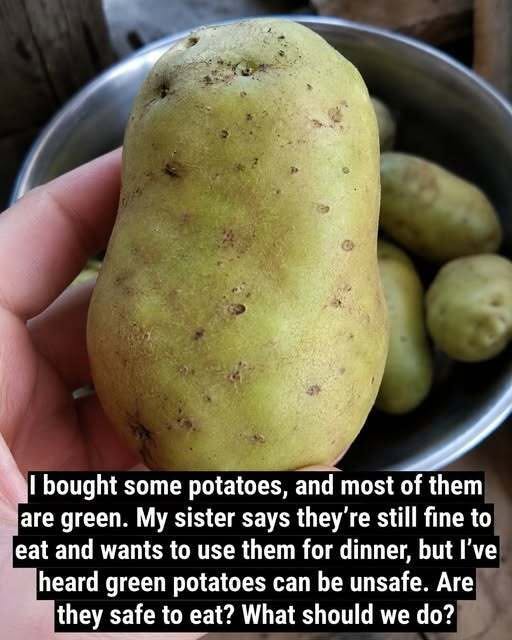
The green coloration seen on potato skin is primarily caused by exposure to light.
When potatoes are exposed to light sources such as:
- Natural sunlight
- Indoor kitchen lighting
- Fluorescent or LED store lights
- Display lighting in grocery stores
they begin to undergo a biological process that leads to the production of a pigment called chlorophyll.
Chlorophyll is responsible for the green color found in many plants. It plays a crucial role in photosynthesis, the process plants use to convert light into energy.
Although potatoes normally grow underground without light exposure, once they are exposed after harvesting, they react as if they are above ground and begin producing chlorophyll in response.
This is why potatoes stored in bright kitchens or open baskets often develop green patches over time.
Chlorophyll: The Green Pigment in Plants
Chlorophyll is a naturally occurring pigment present in almost all green plants. It is essential for plant life because it allows plants to absorb sunlight and convert it into usable energy.
Common foods that naturally contain chlorophyll include:
- Spinach
- Kale
- Broccoli
- Parsley
- Green beans
In these foods, chlorophyll is completely harmless and even associated with nutritional benefits.
When it appears in potatoes, however, it is not necessarily a nutritional feature but rather a visual signal. It indicates that the potato has been exposed to light for a prolonged period.
On its own, chlorophyll is not toxic. The green color itself does not automatically make the potato unsafe to eat. However, it is often associated with another important chemical change occurring inside the potato.
Glycoalkaloids: The Natural Defense Compounds in Potatoes
Potatoes naturally produce chemical compounds known as glycoalkaloids. These substances serve as a defense mechanism for the plant.
The two most common glycoalkaloids found in potatoes are:
- Solanine
- Chaconine
These compounds are present in all potatoes in small, naturally safe amounts. Under normal circumstances, they are not harmful to humans when potatoes are properly stored, prepared, and cooked.
However, certain environmental conditions can increase glycoalkaloid levels. These conditions include:
- Exposure to light
- Physical damage or bruising
- Long storage periods under poor conditions
- Sprouting and aging
Glycoalkaloids help protect the potato plant from threats such as:
- Insects
- Fungal infections
- Bacterial damage
- Predators in nature
When potatoes are exposed to light and begin producing chlorophyll, they often simultaneously increase glycoalkaloid production. This is why green potatoes are treated with caution in food safety discussions.
Why Green Potatoes Raise Safety Concerns
The presence of green coloring is not dangerous by itself. Instead, it serves as a warning sign that glycoalkaloid levels may be higher than normal.
In small amounts, glycoalkaloids are not harmful. However, when consumed in large quantities, they may cause unpleasant effects such as:
- Nausea
- Stomach discomfort
- Headache
- Digestive irritation
For this reason, food safety experts recommend paying attention to potatoes that show visible greening, especially if the green areas are widespread or combined with other signs of deterioration.
It is important to understand that cooking does not fully eliminate glycoalkaloids. Unlike some bacteria or toxins that are destroyed by heat, these compounds can remain stable even after boiling, baking, or frying.
Is a Green Potato Always Unsafe to Eat?
Not every green potato needs to be thrown away. The safety depends on the extent of greening and the overall condition of the potato.
A potato may still be usable if:
- Only small areas of green are present
- The green skin can be peeled away completely
- The flesh underneath looks normal
- There are no strong off-smells or bitterness
However, it is generally recommended to discard potatoes when:
- Large portions are green
- The potato has a bitter taste
- Sprouts are extensive and firm
- The texture is soft, shriveled, or rubbery
- There are signs of decay or mold
A useful rule in food safety is that when uncertainty exists, it is safer to avoid consumption.
Sprouting and Greening: Why They Often Occur Together
Another common issue with stored potatoes is sprouting. This occurs when potatoes begin to grow small shoots from their “eyes.”
Sprouting is a natural biological response. Potatoes are essentially trying to grow new plants when conditions allow them to do so.
Sprouts may appear:
- As small white or green shoots
- From one or multiple eyes on the potato
- Alongside green skin patches
Small sprouts do not automatically make a potato unsafe. If they are removed and the potato is still firm and otherwise normal, it can often still be cooked.
However, heavy sprouting combined with greening is a sign that the potato is aging and may no longer be at its best quality.
Proper Potato Storage: How to Prevent Greening
Preventing green potatoes is mostly about controlling their environment. Since light exposure is the primary cause, storage conditions play a crucial role.
1. Keep Potatoes in Darkness
Store potatoes in a dark place such as:
- Pantry shelves
- Paper bags
- Covered baskets
- Closed cupboards
Avoid leaving them on countertops or in clear containers exposed to light.
2. Maintain Cool Temperatures
Potatoes should be stored in a cool, but not cold, environment.
Ideal conditions are:
- Cool room temperature
- Away from heat sources like ovens or stoves
- Not refrigerated (cold temperatures can affect texture and flavor)
3. Ensure Good Air Circulation
Proper airflow helps reduce moisture buildup, which can lead to spoilage.
Use:
- Mesh bags
- Paper bags with holes
- Open baskets
Avoid airtight plastic bags.
4. Separate from Other Produce
Some fruits, especially apples, release gases that can speed up sprouting in potatoes.
Keeping them separate helps extend freshness.
Practical Kitchen Tips for Handling Potatoes
To maintain quality and reduce waste, consider the following habits:
- Buy only the quantity you can use within a reasonable time
- Inspect potatoes before storage and remove damaged ones
- Rotate older potatoes to the front so they are used first
- Trim green areas carefully if they are minimal
- Avoid washing potatoes before storing them, as moisture encourages decay
Common Myths About Green Potatoes
There are several misunderstandings about green potatoes that can lead to unnecessary waste or confusion.
Myth 1: Green potatoes are always poisonous
This is not true. Only high levels of glycoalkaloids are concerning, and not all green potatoes reach those levels.
Myth 2: Cooking removes all toxins
Cooking reduces some risks but does not eliminate glycoalkaloids completely.
Myth 3: Green skin is just cosmetic
While chlorophyll itself is harmless, it can indicate chemical changes inside the potato.
Conclusion: Understanding Helps Reduce Food Waste
Green potatoes are not unusual, and they are not automatically dangerous. The green color is simply a natural response to light exposure, caused by chlorophyll production. However, it also signals the possible increase of natural defense chemicals called glycoalkaloids.
By understanding the science behind this process, home cooks can make informed decisions about whether to use or discard a potato.
Most importantly, proper storage—keeping potatoes cool, dark, and dry—can significantly reduce the chances of greening and help extend their shelf life.
With a bit of care and awareness, potatoes can remain a reliable and safe ingredient in everyday cooking while minimizing unnecessary food waste.