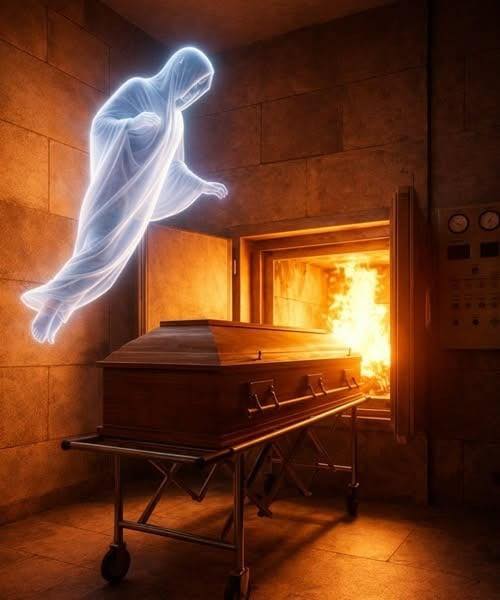
In recent decades, cremation has become an increasingly widespread practice in many parts of the world. Cultural shifts, economic considerations, environmental awareness, and changing personal preferences have all contributed to this growing trend. While cremation was once viewed as uncommon or even controversial in certain societies, it is now often accepted as a practical and meaningful way to handle the remains of a loved one. However, for many individuals who identify with the Christian faith, this change raises important spiritual questions. Among the most common concerns is whether choosing cremation reflects a lack of faith or contradicts biblical teachings.
To thoughtfully address this issue, it is important to begin with a foundational principle in Christian theology: the sovereignty of God over all creation, including human life and death. Christianity teaches that God is the ultimate authority over the physical body and the soul. This understanding provides a framework for examining how different practices, such as burial or cremation, relate to faith and doctrine.
One of the first things to note is that the Bible does not contain a direct command that forbids cremation. While Scripture includes many references to death, burial, and the human body, it does not explicitly state that cremation is sinful or unacceptable. This absence of a clear prohibition leaves room for interpretation and personal conviction among believers.
Historically, traditional burial was the most common method of laying the dead to rest among the people of Israel. Numerous biblical accounts illustrate this practice. For example, Abraham purchased a burial site for his wife Sarah, demonstrating the importance placed on proper interment. Similarly, Joseph expressed a strong desire for his remains to be carried out of Egypt and buried in the land promised to his ancestors. These examples reflect cultural and religious customs of the time, emphasizing respect for the deceased and the significance of burial as a ritual.
In addition, burial practices in biblical times often involved family tombs or designated burial sites, which reinforced a sense of continuity, heritage, and identity. Being laid to rest alongside ancestors carried deep symbolic meaning, representing both familial connection and spiritual hope. For many early believers, burial was closely associated with the expectation of resurrection, as the body was placed in the ground in anticipation of future restoration.
Despite this strong historical precedent, it is essential to distinguish between cultural tradition and theological requirement. Just because burial was the norm in biblical narratives does not necessarily mean it is the only acceptable practice for Christians today. Cultural contexts have evolved significantly, and the Bible itself acknowledges a wide range of circumstances surrounding death and the treatment of the body.
Furthermore, there are passages in Scripture that describe bodies being burned, though these instances are often associated with specific situations, such as judgment or extraordinary circumstances. These references do not establish a general rule about cremation but rather reflect particular events within a broader narrative. As a result, they should not be interpreted as universal prohibitions.
A central belief in Christianity is the doctrine of the resurrection of the dead. This teaching affirms that God has the power to raise individuals to new life, regardless of the condition of their physical remains. Whether a body has decomposed naturally over time, been lost at sea, or been reduced to ashes through cremation, none of these scenarios limit God’s القدرة to restore life. The resurrection is understood as a divine act that transcends physical processes and human limitations.
This perspective provides reassurance to those who may feel uncertain about cremation. The ultimate hope of Christians is not rooted in the preservation of the physical body but in the promise of eternal life through God’s grace. From this viewpoint, the method by which a body is handled after death does not determine a person’s spiritual destiny.
Another important aspect to consider is the intention behind the choice of cremation or burial. Christian teachings often emphasize the importance of the heart and the motives behind actions. If a decision is made מתוך respect, dignity, and love for the deceased, it aligns with the broader values of the faith. Honoring a loved one can take many forms, and the specific method of disposition does not negate the sincerity of that احترام.
For many families, cremation offers practical benefits. It is often more affordable than traditional burial, which can be a significant factor for those facing financial constraints. Additionally, cremation provides flexibility in memorial arrangements, allowing families to choose how and where to commemorate their loved one. Some may opt to keep the ashes in a special מקום, while others may scatter them in a meaningful location. These choices can carry deep personal significance and help individuals cope with loss.
Environmental concerns have also influenced the growing acceptance of cremation. Traditional burial practices may involve embalming chemicals, caskets, and land use, which can raise ecological questions. Cremation is sometimes seen as a more sustainable option, although it also has environmental impacts. For many believers, caring for creation is an important aspect of their faith, and this consideration may play a role in their decision-making process.
At the same time, it is important to acknowledge that some Christians continue to prefer burial for symbolic or theological reasons. For instance, burial is sometimes associated with the image of “sleep” in death, as described in certain biblical passages. This imagery can provide comfort and align with personal interpretations of Scripture. Additionally, the burial of Jesus Christ is a central event in Christian belief, and some see traditional burial as a way to reflect that example.
These differing perspectives highlight the diversity within the Christian community. There is no single, universally mandated approach that all believers must follow. Instead, individuals and families are encouraged to seek guidance through prayer, study of Scripture, and, when appropriate, counsel from trusted spiritual leaders.
Respect for the deceased remains a key principle regardless of the chosen method. Treating the body with dignity reflects a recognition of its value as part of God’s creation. Even after death, the body is seen as deserving of care and honor. This respect can be expressed in various ways, whether through a formal burial service, a memorial ceremony, or other meaningful practices.
Trust in God’s grace is another central theme in this discussion. Christianity teaches that salvation and eternal life are not dependent on human أعمال but on divine mercy. The choice between cremation and burial does not determine one’s relationship with God. Instead, faith, محبت, and devotion are what truly matter.
For those who struggle with uncertainty, it may be helpful to remember that God’s understanding surpasses human judgment. Decisions made with sincere intentions and a desire to honor both faith and loved ones are unlikely to be viewed negatively within this إطار. The emphasis is on living a life that reflects compassion, ایمان, and trust in God’s plan.
It is also worth considering how attitudes toward cremation have evolved over time. In earlier periods, cultural and religious norms often discouraged or prohibited cremation. However, as societies have become more interconnected and diverse, perspectives have shifted. Many Christian denominations now accept cremation as a legitimate option, provided it is chosen thoughtfully and respectfully.
This shift reflects a broader trend of adapting traditions to contemporary contexts while maintaining core beliefs. Christianity, like many faiths, has navigated changes throughout history, balancing continuity with flexibility. The acceptance of cremation in many communities illustrates this ongoing process.
Ultimately, the question of whether cremation is appropriate for Christians does not have a simple yes-or-no answer. It involves a combination of theological understanding, cultural background, personal preference, and practical considerations. What remains consistent is the emphasis on faith in God’s قدرت and the hope of resurrection.
The physical body, while important, is not the अंतिम measure of identity in Christian teaching. The soul, relationship with God, and promise of eternal life hold greater significance. This perspective allows believers to approach decisions about death with a sense of peace and confidence, knowing that their ultimate destiny is secure in God’s hands.
In conclusion, cremation is an increasingly common practice that raises meaningful questions for people of faith. While traditional burial has deep historical roots in biblical narratives, the absence of a clear prohibition against cremation leaves room for personal choice. The central teachings of Christianity—God’s sovereignty, the promise of resurrection, and the importance of grace—provide a foundation for understanding this issue.
What truly matters is the attitude with which decisions are made. Honoring the deceased, acting with احترام, and maintaining trust in God’s eternal plan are far more significant than the specific method chosen. Whether through burial or cremation, believers can find comfort in the یقین that God’s power and محبت extend beyond physical circumstances.
In navigating this topic, individuals are encouraged to reflect on their beliefs, seek guidance, and make choices that align with both their faith and their values. By doing so, they can approach the نهاية of life not with fear or doubt, but with hope, trust, and a глубок sense of peace.