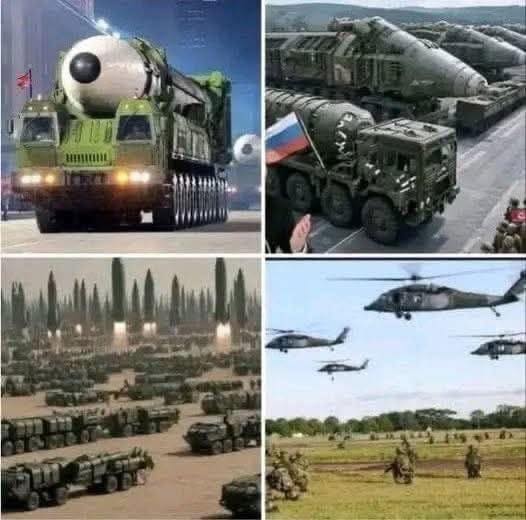
Is Europe Prepared for a Major Conflict? Why the European Union Is Moving with Urgency
In the wake of Russia’s large-scale invasion of Ukraine, shifting geopolitical dynamics, and increasingly direct warnings from military and political leaders, Europe is facing a difficult question—one that would have seemed extreme not long ago: is the continent adequately prepared for a serious military confrontation?
For decades, the European project was built on the assumption that economic cooperation, diplomatic engagement, and strong alliances—particularly with the United States—would be sufficient to maintain peace and stability. That belief shaped policies, budgets, and public attitudes across the region. Today, however, those assumptions are being challenged.
With the war in Ukraine continuing without a clear resolution, growing uncertainty about long-term U.S. security commitments, and heightened rhetoric from global powers, European institutions are accelerating efforts to strengthen defence capabilities, industrial resilience, and strategic coordination. The pace of change reflects a growing sense that time may be limited.
A Changing Security Landscape
The sense of urgency now visible in Brussels and other European capitals did not appear suddenly. Instead, it has developed over several years, driven by a series of interconnected events that have steadily reshaped Europe’s understanding of security.
Russia’s invasion of Ukraine marked a turning point. It demonstrated that large-scale military conflict between states remains a real possibility on the European continent, challenging the post–Cold War belief that such scenarios had largely been relegated to history. The war has also highlighted vulnerabilities in defence readiness, supply chains, and energy dependence.
At the same time, messages from the United States—Europe’s most important security partner—have become increasingly clear: European countries are expected to take on a greater share of responsibility for their own defence. While transatlantic cooperation remains strong, there is growing recognition that Europe must be capable of acting more independently if necessary.
This combination of external pressure and internal reassessment has placed European leaders in a difficult position. They must prepare for potential threats while preserving unity among member states that often have differing priorities, economic capacities, and political perspectives.
Political Momentum and Strategic Decisions
In response to these challenges, the European Union has begun taking concrete steps to reinforce its strategic position. One significant development was the agreement on a substantial financial package aimed at supporting Ukraine, demonstrating continued commitment to the country’s sovereignty and stability.
At the same time, European institutions have introduced a range of defence-focused initiatives designed to strengthen capabilities over the coming decade. These efforts include increasing investment in military infrastructure, improving coordination between member states, and supporting the development of a more robust European defence industry.
The emphasis is not solely on military strength. Policymakers are also focusing on resilience—ensuring that critical systems such as energy, transportation, and communications can withstand potential disruptions. The goal is to create a comprehensive approach to security that goes beyond traditional defence measures.
Rising Concerns Among Leaders
Recent statements from political and military leaders have underscored the seriousness of the situation. While rhetoric can sometimes be influenced by political considerations, the consistency of these warnings across different countries and institutions has attracted attention.
Officials have emphasized that the risks facing Europe are no longer hypothetical. Instead, they argue that the current environment requires active preparation and long-term planning. This includes not only strengthening armed forces but also ensuring that societies are ready to respond to various forms of crisis.
Some leaders have pointed to the possibility of future escalation, suggesting that tensions could extend beyond Ukraine if not effectively managed. Others have stressed the importance of deterrence—making it clear that aggression would come at a high cost.
The Role of NATO and Collective Defence
The North Atlantic Treaty Organization continues to play a central role in Europe’s security framework. NATO’s principle of collective defence remains a cornerstone of stability, and recent developments have reinforced the importance of this alliance.
At the same time, discussions within Europe increasingly focus on complementing NATO rather than relying on it exclusively. This includes enhancing the EU’s own capabilities so that it can act more effectively in situations where NATO as a whole may not be engaged.
Balancing these two dimensions—strengthening European autonomy while maintaining strong transatlantic ties—is one of the key strategic challenges facing policymakers today.
Economic and Industrial Dimensions
Defence readiness is not only a military issue; it also has significant economic and industrial implications. Increasing defence spending requires careful budgetary planning, particularly in countries that are already facing economic pressures.
Moreover, rebuilding or expanding defence industries takes time. Europe must address gaps in production capacity, secure access to critical materials, and foster innovation in areas such as technology and cybersecurity.
These efforts are closely linked to broader economic strategies. Investments in defence can stimulate certain sectors, but they also raise questions about resource allocation and long-term sustainability.
Public Opinion and Social Considerations
Another important factor is public perception. For many Europeans, the idea of preparing for potential conflict is unfamiliar and, in some cases, uncomfortable. Decades of relative peace have shaped expectations and attitudes, making it challenging to build consensus around increased defence spending or military readiness.
Governments must therefore communicate clearly about the reasons behind their policies, ensuring transparency and maintaining public trust. This involves explaining not only the risks but also the measures being taken to mitigate them.
Social cohesion is particularly important in this context. Divisions within societies can weaken resilience, making it more difficult to respond effectively to external challenges.
A Race Against Time?
The current situation has led some observers to describe Europe’s efforts as a race against time. While such language can be dramatic, it reflects a genuine concern that the pace of change in the security environment may outstrip the speed of policy responses.
Building defence capabilities, strengthening alliances, and enhancing resilience are complex processes that cannot be completed overnight. Yet the perceived urgency of the situation is pushing leaders to act more quickly than in the past.
This sense of urgency is visible in policy discussions, budget decisions, and strategic planning across the continent. It is also shaping the broader narrative about Europe’s role in the world.
Looking Ahead
The question of whether Europe is “ready for war” does not have a simple answer. Readiness depends on multiple factors, including military capabilities, political unity, economic strength, and public support.
What is clear, however, is that the European Union is undergoing a period of significant transformation. The assumptions that guided policy for decades are being reconsidered, and new approaches are emerging in response to a more uncertain world.
Whether these efforts will be sufficient remains to be seen. Much will depend on how events unfold in the coming years, as well as on the ability of European countries to work together effectively.
For now, the direction of travel is unmistakable: Europe is taking steps to strengthen its security, adapt to new realities, and prepare for a range of possible futures—hoping, ultimately, that these preparations will help prevent the very conflicts they are designed to address.