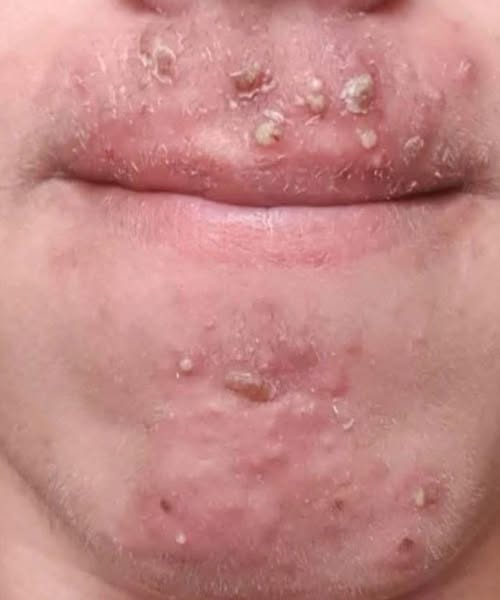
Skin Irritation Around the Mouth: Causes, Symptoms, Care, and Treatment Options
Skin irritation that develops around the mouth can appear unexpectedly and often causes discomfort or concern. This area of the face is especially prone to redness, dryness, peeling, or the formation of small bumps that may spread across the lips, chin, or nearby skin. In some cases, the condition remains mild and resolves naturally, but in other situations, symptoms may become more severe and require medical attention—particularly when pain, crusting, or signs of infection are present.
Because many different skin conditions share similar early signs, people often struggle to identify the exact cause of a rash around the mouth. Allergic reactions, environmental factors, infections, inflammation, and reactions to personal care products can all lead to similar-looking symptoms. This overlap can make self-diagnosis difficult and sometimes misleading.
The positive aspect is that most cases of mouth-area irritation can be effectively managed once the underlying trigger is identified. A clear understanding of possible causes, warning signs, and safe care practices can significantly reduce the chances of worsening symptoms and help promote faster recovery.
Why the Skin Around the Mouth Is More Vulnerable
The skin surrounding the lips and mouth is naturally thinner and more delicate compared to many other areas of the body. This region is constantly exposed to moisture from saliva, frequent facial movements, food contact, cosmetic use, toothpaste, weather conditions, and repeated touching throughout the day.
Because of these constant exposures, the skin barrier in this area is more likely to become irritated or disrupted. Even minor damage to the protective barrier can lead to visible symptoms such as redness, dryness, flaking, itching, or small raised bumps.
In some cases, these reactions are temporary and improve quickly once the irritant is removed. In other cases, persistent irritation may indicate an underlying dermatological condition that requires professional evaluation and targeted treatment.
Common Signs and Symptoms of Mouth-Area Skin Irritation
Rashes or irritation around the mouth can present in several different ways depending on the underlying cause. The most frequently observed symptoms include:
- Redness or inflamed patches of skin
- Dry or flaky areas around the lips or chin
- Small pimples, bumps, or clustered spots
- Burning or stinging sensations
- Cracked or split skin near the lips
- Rough or scaly texture
- Tenderness when touching the area
- Yellowish crust formation in some cases
- Swelling around affected regions
When symptoms progress to crusting, oozing, or spreading redness, it is especially important to avoid experimenting with random skincare products. These signs may suggest infection or a more complex inflammatory condition that requires proper diagnosis.
Potential Causes of Skin Irritation Around the Mouth
Several different conditions can lead to irritation in this facial area. Since many of them appear similar during early stages, professional evaluation is often necessary to determine the exact cause and appropriate treatment approach.
1. Bacterial Skin Infection (Impetigo)
One common cause of mouth-area irritation is impetigo, a contagious bacterial skin infection that often appears around the nose and mouth.
It typically begins as small red spots or irritated patches. Over time, these lesions may break open, release fluid, and form yellow or honey-colored crusts on the surface of the skin. The infection can spread rapidly if the affected area is scratched or frequently touched.
Impetigo can be transmitted through:
- Direct skin-to-skin contact
- Sharing towels, pillowcases, or bedding
- Using shared grooming tools
- Repeated touching of infected areas
Because bacterial infections may worsen if untreated, medical evaluation is important when crusting or spreading lesions appear.
2. Perioral Dermatitis
Another frequent cause of facial irritation is perioral dermatitis, an inflammatory skin condition that typically affects the area around the mouth, and sometimes the nose or eyes.
It often appears as clusters of small red or pink bumps that may resemble acne. However, this condition does not respond well to typical acne treatments and may actually worsen with certain products.
Common symptoms include:
- Burning or stinging sensations
- Dry, rough, or flaky skin
- Small inflamed bumps grouped together
- Increased sensitivity after skincare use
Potential triggers may involve:
- Heavy or occlusive facial creams
- Topical steroid use
- Certain cosmetic products
- Toothpaste containing fluoride
- Overuse of exfoliating products
Managing this condition usually requires eliminating triggers and using gentle skincare routines.
3. Allergic or Irritant Contact Dermatitis
Contact dermatitis occurs when the skin reacts negatively to a substance it comes into contact with. This reaction may be allergic or purely irritant in nature.
Common triggers include:
- Lip balms or lipsticks
- Ingredients in toothpaste
- Fragranced skincare products
- Harsh facial cleansers
- Shaving products
- Cosmetic formulations
Symptoms often develop shortly after exposure and may include redness, itching, dryness, swelling, or a burning sensation.
4. Eczema (Atopic Dermatitis)
Eczema is a chronic skin condition that can affect various parts of the body, including the area around the mouth.
When it appears in this region, it often leads to:
- Dry and irritated patches
- Persistent itching
- Skin flaking
- Cracks or splits in the skin
- Increased sensitivity, especially in cold or dry weather
Flare-ups may be triggered by environmental allergens, stress, or harsh skincare products.
5. Cold Sores (Herpes Simplex Virus)
Cold sores are caused by the herpes simplex virus and commonly appear around the lips. They usually begin with a tingling, itching, or burning sensation before small fluid-filled blisters develop.
These blisters eventually break open and form crusts during the healing process. Unlike general irritation, cold sores are viral in origin and may recur periodically.
6. Irritation Caused by Lip Licking or Saliva Exposure
Frequent lip licking or prolonged exposure to saliva can weaken the skin barrier around the mouth. This habit can strip away natural oils and moisture, leading to irritation.
Common effects include:
- Dry or irritated skin
- Red patches around the lips
- Burning or stinging sensations
- Cracked or chapped areas
This type of irritation is especially common in children and individuals with sensitive skin.
Why Over-Treating the Skin Can Make Symptoms Worse
A common mistake when dealing with facial irritation is using multiple skincare products at the same time in an attempt to quickly resolve the issue. However, this can often worsen the condition.
For example:
- Steroid creams may temporarily reduce redness but can worsen perioral dermatitis if overused
- Strong acne treatments may increase dryness and irritation
- Scrubbing or picking at affected areas may spread infection or inflammation
When the skin barrier is compromised, aggressive or inappropriate treatment can slow healing and increase sensitivity.
Gentle Skincare Approach for Irritated Skin
Until the exact cause of the irritation is identified, a gentle skincare routine is usually the safest approach.
Recommended steps include:
- Washing the face with lukewarm water
- Using mild, fragrance-free cleansers
- Gently patting the skin dry instead of rubbing
- Avoiding unnecessary touching of the affected area
- Temporarily stopping makeup use on irritated skin
- Avoiding exfoliating or alcohol-based products
- Changing pillowcases and towels regularly
Simple and minimal skincare routines often help the skin recover more effectively.
Products and Habits That Should Be Avoided Temporarily
When irritation occurs around the mouth, certain products and habits can worsen symptoms and should be paused until recovery begins.
These include:
- Strong acne medications
- Steroid creams without medical supervision
- Fragranced skincare products
- Harsh exfoliating scrubs
- Over-cleansing the face
- Heavy cosmetic products
- Habitual lip licking
- Smoking or exposure to irritating fumes
Even products labeled as “natural” can sometimes cause irritation depending on individual skin sensitivity.
When Medical Attention Is Necessary
While some mild irritation improves on its own, other cases require medical evaluation and treatment.
A healthcare professional should be consulted if:
- The rash spreads quickly
- Pain, swelling, or warmth develops
- Yellow crusting or pus appears
- Fever or general fatigue occurs
- Symptoms do not improve within several days
- The condition keeps recurring
A dermatologist can help determine whether the condition is bacterial, viral, allergic, or inflammatory in nature.
Possible Medical Treatments
Treatment depends entirely on the diagnosed cause of the skin condition.
Medical options may include:
- Antibiotic creams for bacterial infections
- Oral antibiotics for more widespread infection
- Anti-inflammatory medications for irritation control
- Antiviral drugs for cold sores
- Allergy testing to identify triggers
- Customized skincare plans for sensitive skin
Topical antibiotics may be prescribed in certain bacterial cases, but all medication use should be guided by a qualified healthcare provider.
Preventing Future Skin Flare-Ups
Although not all skin conditions can be fully prevented, certain habits can reduce the likelihood of recurrence or irritation.
Helpful prevention strategies include:
- Keeping skincare routines simple and consistent
- Regularly cleaning makeup tools and brushes
- Avoiding sharing personal hygiene items
- Replacing old cosmetics and lip products
- Choosing fragrance-free skincare items
- Minimizing unnecessary face touching
- Staying well hydrated
- Protecting skin from harsh weather conditions
Introducing new skincare products gradually can also help identify potential triggers early.
Emotional Impact of Facial Skin Conditions
Skin issues affecting the face can have emotional and psychological effects in addition to physical discomfort. Because facial skin is highly visible, individuals may feel self-conscious, embarrassed, or stressed when rashes develop.
It is important to recognize that skin conditions are extremely common and usually manageable with proper care. Early consultation with a healthcare professional can help reduce both physical symptoms and emotional distress.
Attempting to conceal irritation with heavy makeup or experimenting with strong treatments may sometimes make the condition worse rather than better.
Final Thoughts
Skin irritation around the mouth should not be ignored, especially when symptoms become persistent, painful, or show signs of infection such as crusting or swelling.
Since many different conditions can produce similar symptoms, accurate diagnosis is essential. What may appear to be simple irritation could actually be an infection, allergic reaction, or inflammatory condition requiring specific treatment.
A careful and gentle approach to skincare, combined with professional medical guidance when needed, offers the best chance of recovery and long-term skin health.