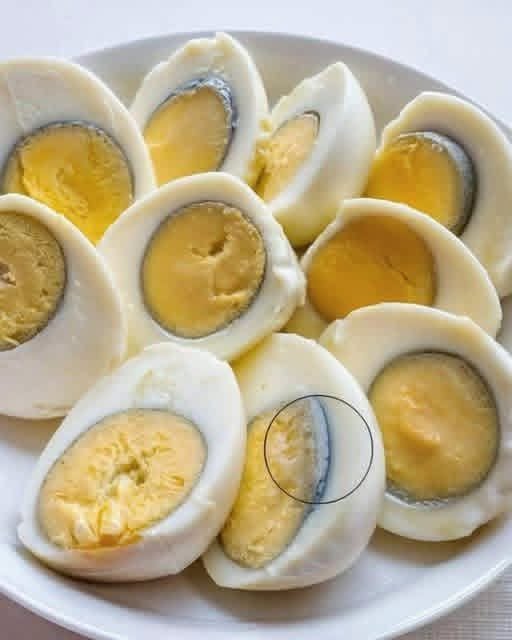
When you slice open a hard-boiled egg and notice a faint green or gray ring encircling the yolk, it can be surprising or even a little unappetizing at first glance. However, this phenomenon is not a sign that the egg has spoiled or become unsafe to eat. In fact, it is simply the result of a natural chemical reaction that occurs during the cooking process. To truly understand why this ring appears, it helps to take a closer look at the unique composition of an egg and how heat affects its internal structure.
Eggs are made up of two primary components: the white and the yolk. The egg white, also known as the albumen, is rich in proteins and contains sulfur compounds. The yolk, on the other hand, is packed with nutrients, including fats, vitamins, and minerals—most notably iron. Under normal circumstances, the sulfur in the egg white and the iron in the yolk remain separate and stable within their respective areas. They coexist without interacting in any noticeable way.
The situation changes when eggs are exposed to high temperatures, especially for extended periods. As heat penetrates the egg, it begins to alter the proteins and chemical compounds inside. When the cooking process becomes too intense or prolonged, the sulfur in the egg white starts to react with the iron in the yolk. This reaction produces a compound known as iron sulfide. It is this compound that gives the yolk its greenish-gray outer ring.
In simple terms, the green ring is a visible indicator of a chemical reaction triggered by excessive heat. While it may not look particularly appealing, it is completely harmless. The egg remains safe to eat, though some people notice that overcooked eggs with this ring may have a slightly stronger sulfur-like smell or a drier, crumbly texture. These changes in flavor and texture are a result of overcooking rather than spoilage.
One of the most common reasons this reaction occurs is overboiling. Many people assume that cooking eggs for a long time ensures they are fully done and safe to eat. As a result, they leave eggs in rapidly boiling water for 15 to 20 minutes or even longer. Unfortunately, this approach almost guarantees overcooked eggs with rubbery whites and chalky yolks.
Achieving a perfectly cooked hard-boiled egg requires a more balanced and controlled method. The key lies in managing both temperature and timing carefully. The process actually begins before the heat is even turned on. Instead of placing eggs directly into boiling water, a gentler method is recommended.
Start by arranging the eggs in a single layer at the bottom of a pot. Then, add cool water until the eggs are fully submerged, with about an inch or two of water above them. This setup ensures that the eggs heat gradually along with the water, rather than being shocked by sudden high temperatures.
Gradual heating is important because it allows the proteins inside the egg to set more evenly. When eggs are dropped into boiling water, the rapid temperature change can cause the shells to crack and the whites to cook unevenly. By starting with cold water, you reduce these risks and create a more controlled cooking environment.
Once the eggs are in the pot with cool water, place it on the stove and heat it over medium heat. Allow the water to come to a gentle boil rather than a vigorous, rolling one. This stage is crucial, as excessive boiling can lead to uneven cooking and increase the likelihood of the sulfur-iron reaction.
As soon as the water reaches a steady boil, the next step is surprisingly simple but often overlooked: turn off the heat. Instead of continuing to cook the eggs in actively boiling water, remove the pot from direct heat and cover it with a lid. The residual heat in the water will continue to cook the eggs gently. This technique is often referred to as “carryover cooking.”
Carryover cooking provides enough heat to fully cook the yolk without pushing the egg into overcooked territory. It allows the internal temperature of the egg to rise gradually and evenly, preventing the chemical reaction that leads to the green ring.
The amount of time you leave the eggs in the hot water depends on your preferred level of doneness. For a firm yet creamy yolk, about 10 to 12 minutes is typically ideal. If you prefer a slightly softer center, you can reduce the time to around 9 minutes. On the other hand, if you like a fully firm yolk, you can extend it slightly—but be cautious not to go too far, as even a few extra minutes can make a difference.
While timing is important, it is only part of the equation. The final step in achieving perfectly cooked eggs is rapid cooling. Once the eggs have finished cooking in the hot water, they must be cooled quickly to stop the cooking process.
If eggs are left to cool naturally on the counter, the heat trapped inside the shell continues to cook them from the inside out. This residual heat can easily push the yolk into overcooked territory, even if the initial timing was perfect. This is often the hidden reason why some eggs develop a green ring despite careful cooking.
To prevent this, prepare a bowl of ice water before the eggs finish cooking. As soon as the cooking time is up, transfer the eggs directly from the hot water into the ice bath. The sudden drop in temperature halts the cooking process immediately, preserving the ideal texture and color of the yolk.
An ice bath offers another major advantage as well: it makes peeling the eggs much easier. When eggs cool rapidly, they contract slightly inside their shells. This creates a small gap between the egg white and the shell membrane, making it easier to remove the shell without tearing the egg.
Anyone who has struggled with peeling eggs knows how frustrating it can be when the shell sticks stubbornly to the white, causing chunks to come off. Proper cooling significantly reduces this issue and results in smoother, more visually appealing eggs.
For best results, leave the eggs in the ice bath for at least 5 to 10 minutes, or until they are completely cool to the touch. This ensures that the internal temperature has dropped sufficiently and that the cooking process has fully stopped.
Another factor that can influence the outcome is the age of the eggs. While very fresh eggs are excellent for certain cooking methods like frying or poaching, they can be more difficult to peel when hard-boiled. This is because fresh eggs have a lower pH level, which causes the egg white to adhere more tightly to the shell membrane.
As eggs age slightly in the refrigerator, their pH level increases. This change makes the membrane less sticky, allowing the shell to separate more easily from the egg white. For this reason, eggs that are a few days to a week old are often the best choice for boiling.
By combining slightly older eggs with proper cooking and cooling techniques, you can significantly improve both the appearance and ease of preparation.
Consistency is another important aspect of cooking perfect eggs. Because the difference between perfectly cooked and overcooked eggs can be just a few minutes, using a timer is highly recommended. Relying on guesswork can lead to inconsistent results, especially if you are multitasking in the kitchen.
Set a timer as soon as you turn off the heat and cover the pot. This simple step ensures that you follow the same process every time, leading to reliable and repeatable results.
Whether you are preparing eggs for a quick breakfast, a salad, or a larger dish like deviled eggs, mastering this method will help you achieve better outcomes. The principles remain the same regardless of how many eggs you are cooking.
In the end, the green ring around a hard-boiled egg yolk is nothing more than a minor cosmetic issue caused by overcooking. It serves as a reminder of how sensitive cooking processes can be and how small adjustments can make a big difference.
By controlling the heat, using a gentle cooking method, and cooling the eggs quickly, you can avoid this issue entirely. The result is a perfectly cooked egg with a tender white and a vibrant, golden yolk.
Cooking is both an art and a science, and even something as simple as boiling an egg can benefit from a deeper understanding of the process. With a little attention to detail and the right technique, you can consistently produce eggs that are not only delicious but also visually appealing.
Instead of settling for overcooked eggs with dull, grayish centers, you can take control of the process and achieve better results every time. With practice, patience, and a reliable method, perfectly cooked hard-boiled eggs can become a simple and dependable part of your cooking routine.