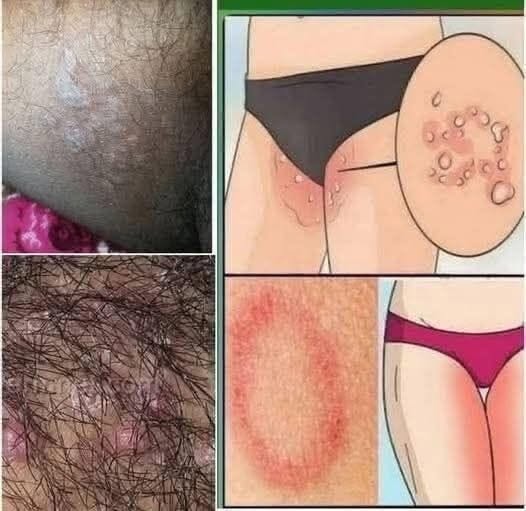
Understanding the Skin as an Indicator of Overall Balance
The skin is constantly interacting with both internal systems and external surroundings. It responds to temperature shifts, humidity, emotional stress, diet, hydration levels, and contact with various substances. Because of this continuous interaction, it often reflects internal changes in subtle ways.
Unlike many internal organs, the skin is visible and accessible. It provides ongoing feedback about the body’s condition without the need for medical equipment. This visibility makes it an important area of observation, especially when changes persist or evolve over time.
However, interpreting skin signals requires perspective. Not every mark, bump, or patch is a sign of illness. In fact, the majority of skin changes are harmless and temporary. The key is not isolated observation, but patterns: whether something is new, persistent, worsening, or accompanied by other changes.
Developing awareness means observing without panic, noting without assuming, and responding without overreacting.
1. Unfamiliar Bumps, Lumps, and Small Skin Growths
One of the most noticeable changes people experience is the appearance of small bumps or raised areas on the skin. These can appear suddenly or develop gradually and may vary in size, texture, and sensitivity.
Although they often cause concern, most are benign and related to common skin processes.
Common Possible Causes
Ingrown hairs
These occur when hair grows back into the skin instead of outward. They are frequently seen after shaving, waxing, or other hair removal methods. Ingrown hairs may appear as small red or dark bumps and can sometimes feel slightly tender or itchy.
Folliculitis
This condition involves irritation or inflammation of hair follicles. It is often associated with friction, sweat, bacteria, or blocked follicles. It may present as clusters of small, pimple-like bumps that can resemble mild acne.
Skin tags
Skin tags are soft, small growths that typically form in areas where skin experiences friction, such as the neck, armpits, or under the breasts. They are generally harmless and painless, though they may become noticeable due to their location.
Cysts
Cysts are sac-like structures beneath the skin that may contain fluid or semi-solid material. They are usually slow-growing and painless, though irritation or inflammation can sometimes occur.
When to Pay Closer Attention
While most bumps are not serious, certain patterns may justify further evaluation:
- A noticeable increase in size over a short period
- Ongoing tenderness or discomfort
- Changes in color or surface texture
- Bleeding or fluid discharge
- Persistence without improvement over time
The main consideration is change. A stable bump that remains unchanged is usually less concerning than one that evolves.
2. Persistent Itching or Burning Sensations
Mild, occasional itching is a normal experience and can occur for many everyday reasons. However, when itching becomes ongoing, widespread, or intense, it may indicate that the skin is reacting to something more persistent.
Possible Contributing Factors
Dry skin
One of the most common causes of itching is a lack of moisture in the outer skin layer. This can be influenced by weather, bathing habits, or hydration levels.
Allergic reactions
The skin may react to certain products such as soaps, detergents, perfumes, or fabrics. These reactions can lead to itching, redness, or irritation.
Environmental influences
Temperature extremes, low humidity, or excessive sweating may also contribute to discomfort.
Skin conditions
In some cases, persistent itching may be associated with conditions such as eczema or dermatitis, which involve inflammation of the skin.
Signs That Suggest Closer Attention May Be Needed
- Itching that continues for long periods without relief
- Discomfort that disrupts sleep or daily activities
- Burning sensations without visible irritation
- Thickened or darkened skin due to repeated scratching
These patterns suggest that the skin may be under ongoing stress and could benefit from further assessment or care.
3. Changes in Skin Color or Tone
Variations in skin color can occur for many reasons, ranging from harmless temporary changes to more persistent shifts. Observing these changes in context is important, as color alone does not determine meaning.
Common Types of Color Changes
Redness
Red patches or general redness may be associated with irritation, increased blood flow, or inflammation. It can also appear after exposure to heat, sun, or friction.
Darkened areas
Areas of increased pigmentation may develop due to sun exposure, hormonal fluctuations, or repeated friction on certain parts of the body.
Paleness or bluish tones
A noticeable reduction in color or a bluish tint may sometimes be linked to changes in circulation or oxygen delivery in the blood. These changes should be observed carefully, especially if persistent.
When Changes Are More Significant
Color changes may deserve closer attention when they:
- Appear suddenly without an obvious cause
- Spread or worsen over time
- Occur alongside other symptoms such as pain, swelling, or fatigue
- Do not return to normal after a reasonable period
Consistency and progression are more important than isolated appearance.
4. Dryness, Flaking, or Rough Skin Texture
Dry or rough skin is a very common experience and can affect people of all ages. It may appear as tightness, flaking, or a sandpaper-like texture. While often harmless, it can also indicate that the skin barrier is under stress.
Possible Contributing Factors
Environmental conditions such as cold weather or low humidity can reduce skin moisture. Frequent washing, especially with strong cleansers, may also strip the skin of natural oils. In some cases, lifestyle factors like hydration levels or nutritional balance may play a role.
Dryness can also be influenced by sensitivity to products or long-term irritation.
What to Observe
- Whether dryness is seasonal or constant
- If flaking worsens over time
- Whether the skin becomes cracked or uncomfortable
- If moisturizers or routine changes provide improvement
Persistent or worsening dryness may suggest that the skin barrier needs additional support.
5. Changes in Moles or Pigmented Spots
Moles are common skin features and are usually harmless. However, they should be observed over time for any noticeable changes in appearance.
General Observations
Moles may vary in size, color, and shape naturally. Many remain stable for years without issue. However, changes can sometimes occur due to sun exposure or other factors.
What to Monitor
- Changes in shape or border definition
- Uneven coloring or multiple shades
- Growth in size
- New sensations such as itching or sensitivity
The most important factor is change over time rather than appearance alone.
6. Acne and Breakout Patterns
Acne is one of the most common skin conditions and can appear in different forms, including blackheads, whiteheads, and inflamed pimples. It is often influenced by hormones, oil production, stress, and environmental factors.
Contributing Factors
Hormonal fluctuations, particularly during adolescence or periods of stress, can increase oil production. Clogged pores due to sweat, makeup, or environmental exposure may also contribute.
Diet and lifestyle factors may influence skin behavior in some individuals, though effects can vary widely.
Observational Points
- Whether breakouts are occasional or persistent
- Areas of frequent occurrence (face, back, shoulders)
- Whether lesions heal quickly or leave marks
- Response to routine changes in skincare
Understanding patterns can help in identifying triggers.
7. Swelling, Puffiness, or Localized Enlargement
Swelling in the skin can occur for many reasons, including minor injury, irritation, or fluid retention. It may appear suddenly and vary in intensity.
Common Causes
Minor trauma, insect bites, or allergic responses can lead to temporary swelling. In other cases, prolonged pressure or irritation may contribute.
What to Observe
- Whether swelling is localized or widespread
- Duration of the swelling
- Presence of redness or warmth
- Any associated discomfort
Temporary swelling often resolves on its own, but persistent changes may require attention.
8. Sensitivity, Pain, or Unusual Skin Reactions
Sometimes the skin may feel unusually sensitive even without visible changes. This can include discomfort when touched, heightened reaction to products, or unexplained soreness.
Possible Triggers
Sensitivity may be related to irritation from skincare products, environmental exposure, or temporary inflammation. Stress and fatigue may also influence how the skin responds to stimuli.
When to Take Note
- If sensitivity persists without improvement
- If pain occurs without visible cause
- If reactions become more frequent or widespread
Tracking when and how sensitivity occurs can help identify patterns.
Final Thoughts
The skin often reflects subtle changes happening within the body long before more noticeable symptoms appear. These signals are usually mild, varied, and not necessarily linked to serious concerns. However, paying attention to patterns—such as persistence, progression, or combination with other changes—can provide useful insight into overall well-being.
The goal is not to interpret every change as a problem, but to develop a steady awareness of what is normal for your own body. With this understanding, it becomes easier to notice when something is different, and to respond in a thoughtful and balanced way when needed.
By observing without fear and staying informed, the skin becomes not a source of worry, but a helpful guide to overall health awareness.