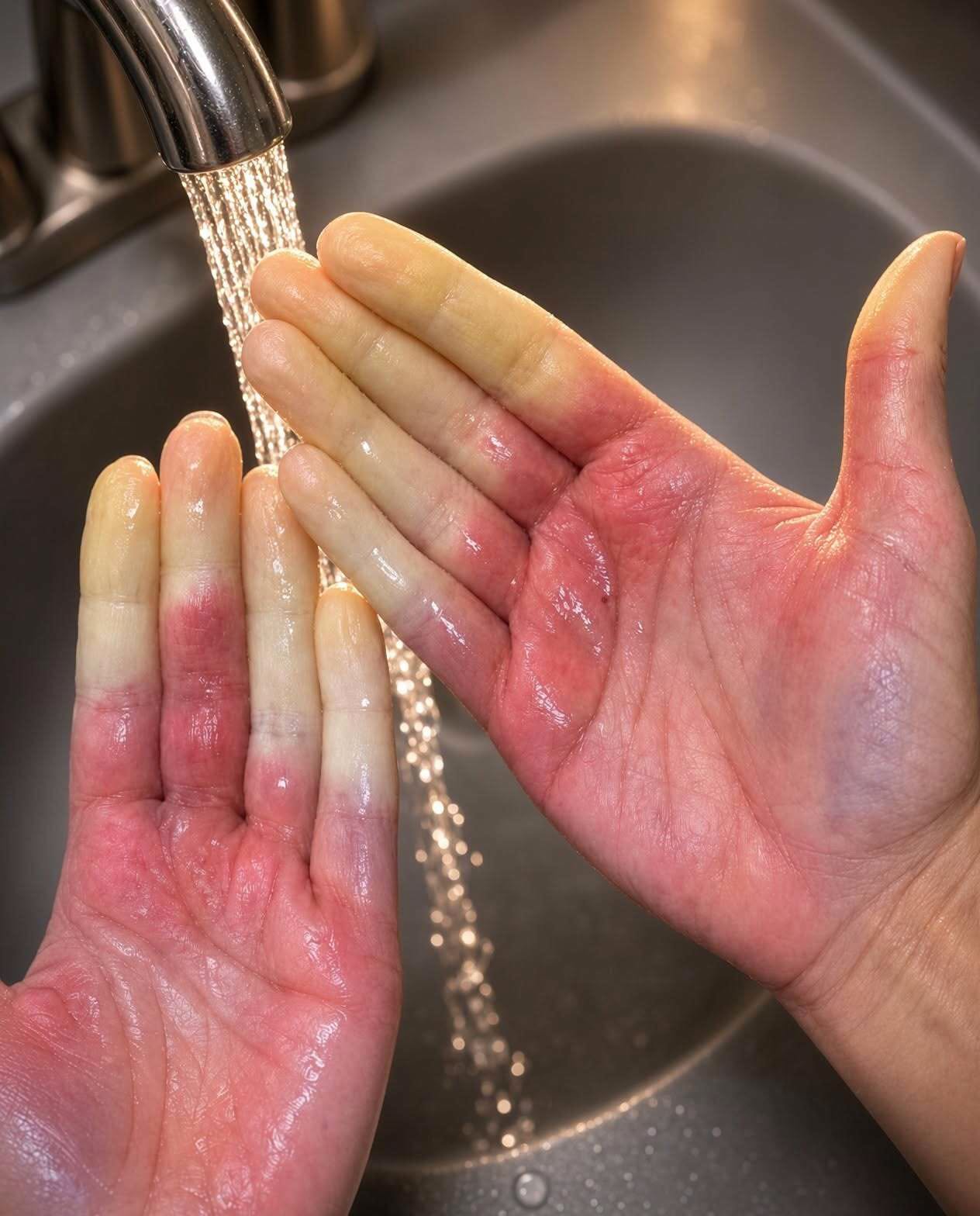
While occasional finger discoloration is often manageable, there are situations where professional evaluation is recommended. If episodes become frequent, increasingly severe, or begin to affect daily life, it may be worthwhile to consult a healthcare provider.
Particular attention should be paid if symptoms occur alongside persistent pain, skin changes, sores that heal slowly, or significant swelling. These additional signs may indicate that further investigation is necessary to understand what is affecting circulation.
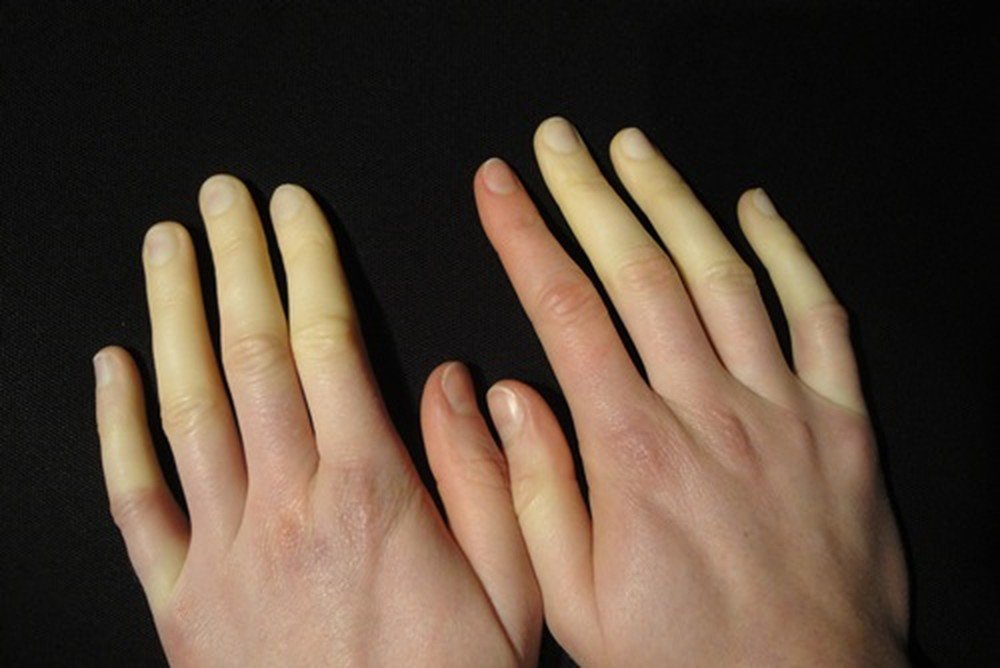
Fortunately, there are several practical steps that may help support healthy blood flow. Keeping the body warm is one of the simplest strategies. Wearing gloves during cold weather, dressing in layers, and avoiding sudden temperature changes can reduce the likelihood of episodes.
Regular physical activity may also support circulation by helping blood move efficiently throughout the body. Gentle exercises such as walking, stretching, and light hand movements can be beneficial for many individuals.
Stress management techniques may play an important role as well. Activities such as deep breathing, meditation, yoga, and mindfulness practices may help reduce the body’s stress response and promote overall well-being.
Maintaining a balanced diet, staying hydrated, and avoiding tobacco products are additional habits that may support vascular health. Small lifestyle adjustments often make a noticeable difference over time.
The human body frequently provides subtle signals when something is changing beneath the surface. Paying attention to recurring finger color changes can offer valuable insights into circulation and overall health. While many episodes are temporary and manageable, understanding potential triggers and seeking professional guidance when necessary can help ensure that the body’s important warning signs are not overlooked.